Air Force Museum
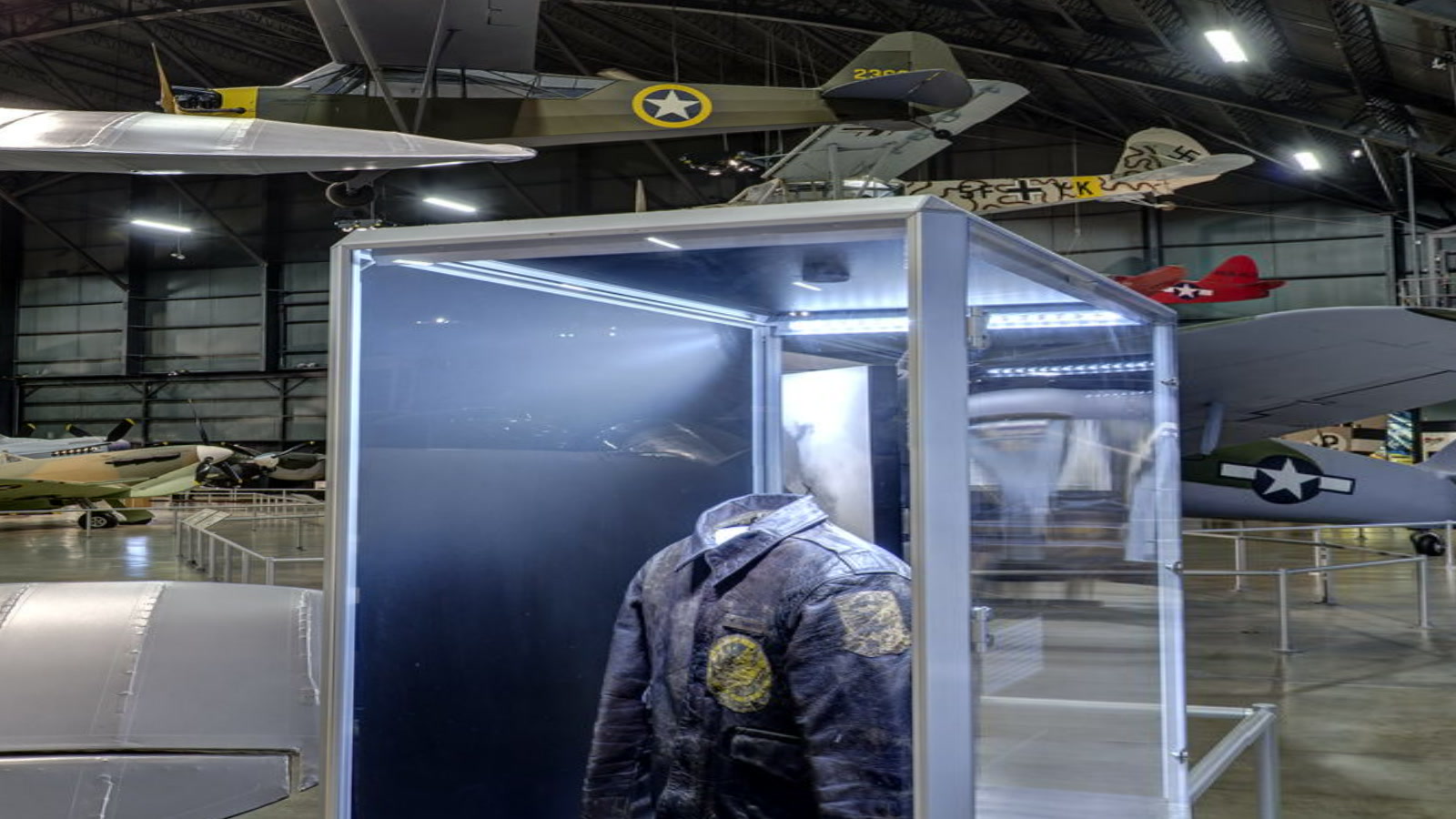
WWI Sergeant's Field Uniform
The intertwined 'ASM' insignia identifies an Air Service Mechanician. Rank, overseas service stripes, and later additions turn the uniform into a record of responsibility and service rather than simply clothing. Mechanics inspected wood, fabric, wire, engines, controls, weapons, cameras, and instruments under field conditions. Their work determined whether a pilot received a safe aircraft and whether a squadron could sustain operations day after day.
In depth
History & service
The intertwined "ASM" at the top of his left sleeve identifies him as an Air Service Mechanician. His rank is on his right sleeve, while the red chevron on his left sleeve is a postwar addition, denoting service in the Great War. This sergeant served one year overseas, as denoted by two six-month service stripes on his left sleeve.
Details that tell the story
ASM identified an Air Service Mechanician · Rank appeared on the sleeve · Overseas stripes represented periods of service · Field maintenance combined many technical trades
The second front was the factory and the flight line
Air power required far more than aircraft leaving a factory. Engines, radios, weapons, fuel, spare parts, tools, trained personnel, and suitable airfields had to arrive together. A machine grounded by a missing component could contribute little, however impressive its specifications. Maintenance and supply determined how much of a force was actually available on a given day.
The Second World War made this relationship visible on an extraordinary scale. Production expanded while aircraft designs continued to change. Training organizations had to turn large numbers of recruits into competent aircrew and specialists. Units then operated in climates and conditions very different from those in which the machines had been designed. Improvisation on the flight line worked alongside formal technical orders and a vast replacement system.
The smaller artifacts deserve attention within that story. A tractor moved aircraft and loads around an airfield. A jacket or oxygen mask helped a crew member function in an exposed environment. A trainer allowed procedures to be practiced without consuming a combat aircraft's life. These objects connect the spectacular mission to repeated daily work. Their history broadens the meaning of service: victory depended on people who built, supplied, repaired, taught, recorded, and cared for others, as well as those whose actions became famous in combat.