Air Force Museum
Women’s Army Corps in Europe
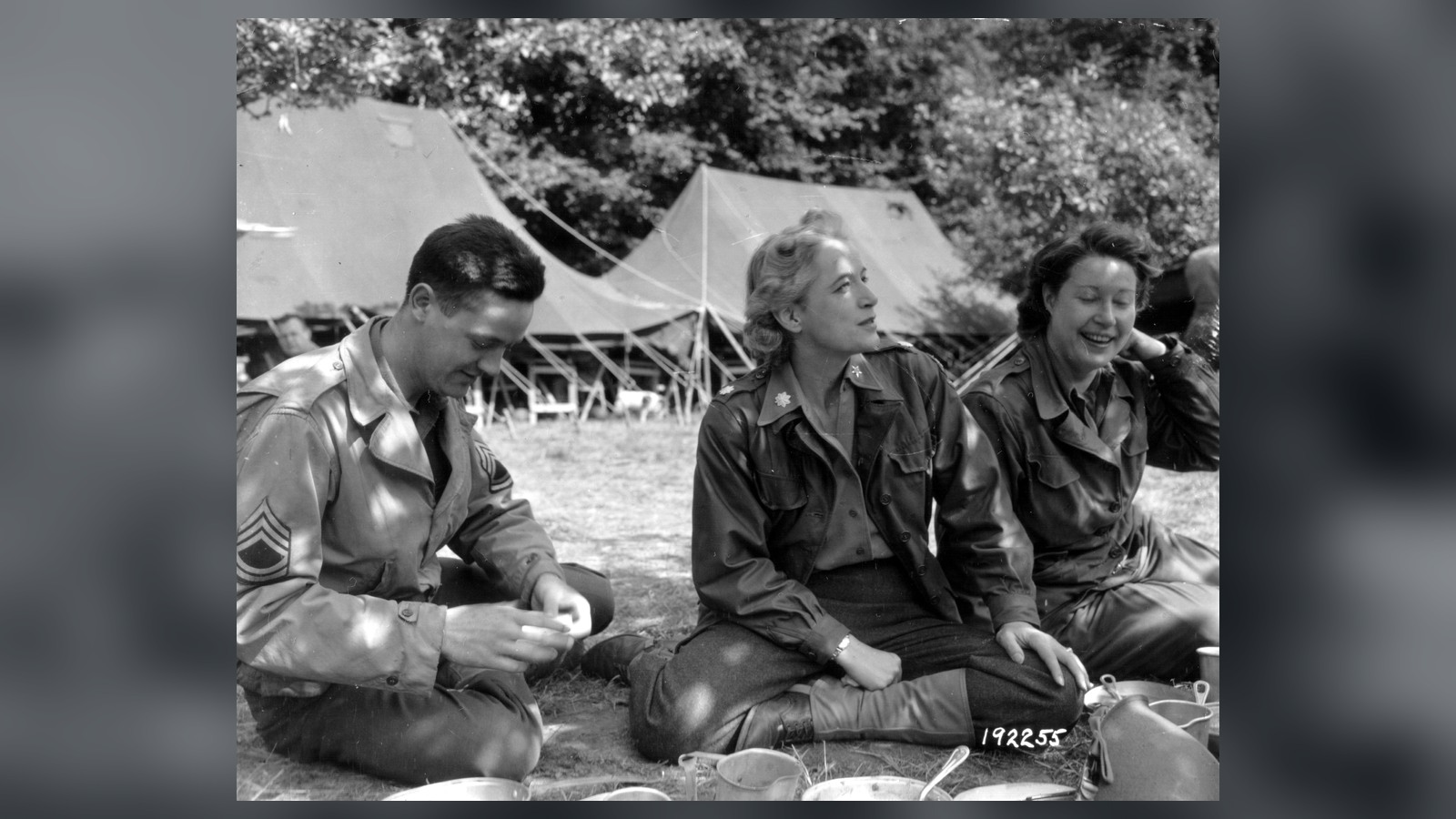
Women in the Women's Army Corps helped sustain the communications, intelligence, administration, and maintenance systems behind the European air war. Army Air Forces organizations relied on WAC personnel for work ranging from plotting aircraft movements and decoding weather reports to maintaining instruments and managing records. These jobs connected headquarters, airfields, supply depots, and combat units.

In depth
The story behind the display
Their presence challenged assumptions about who could perform technical military work. At the same time, policy limited many opportunities and women of color faced both gender discrimination and segregation, making wartime service a history of achievement and unequal access.
History & service
About half of the Women’s Army Corps (WAC) personnel—or “WACs”—sent overseas served in Europe. Most WACs stationed there performed essential administrative work, while others served in non-traditional roles including weather observers/forecasters, control tower operators, and mechanics.
At the end of the war, there were more than 8,000 WACs in Europe, with more than 33,000 serving in the USAAF in the US and overseas.
Image WACs in a mobile control unit truck in England plotting and guiding lost bombers back to base.
Image Col Oveta Culp Hobby, WAC Director, meeting with Lt Gen James “Jimmy” Doolittle, Eighth Air Force commander, in 1944. Col Hobby brilliantly led and grew the WAC (and its predecessor, the Women’s Army Auxiliary Corps) from 1942-1945.
Image Eighth Air Force WAC switchboard operators. About 40% of the Army’s WACs served in the USAAF, and they were known as “Air WACs.”
Image Uniform worn by SSgt Theresa Kobuszewski, who served in England from May 1944 to November 1945. After the war, she was a pitcher in the All-American Girls Professional Baseball League from 1946-1947. In 1951, Kobuszewski re-enlisted in the US Air Force, and retired as a chief master sergeant in 1975.
Teresa Kobuszewski when she played for the Fort Wayne Daisies in the All-American Girls Professional Baseball League.
Details that tell the story
WAC personnel served at airfields and headquarters · Many worked in communications and technical specialties · Women served both in the United States and overseas · The wartime record helped support permanent military status for women
Service, skill, and the right to take part
Aviation has often been presented as a field open to anyone with enough skill and determination. The historical record is more complicated. Race, gender, money, institutional rules, and access to training shaped who could fly, maintain aircraft, receive commissions, or be recognized for their work. Those barriers were not separate from aviation history; they helped determine whose talents the field could use.
The people represented by uniforms, clothing, photographs, and personal equipment made achievements within those conditions. Their stories include technical proficiency and courage, but also persistence, organization, advocacy, and support from others. Military service could create opportunities while also exposing the contradiction between serving a country and being denied equal treatment within it.
Individual milestones should therefore be connected to the wider community. Pilots relied on instructors, mechanics, administrators, medical personnel, and families. Changes in policy were influenced by public pressure and documented performance as well as by exceptional individuals. Moving between the civil and military galleries makes those connections visible. A flight suit, a scarf, a jacket, or a cockpit can mark both a particular career and a larger expansion of opportunity. The inspirational force of these objects grows when the difficulties are described accurately and the less visible contributors are included.