Air Force Museum
Engineer Aviation Battalions
In 1939 Gen. Hap Arnold negotiated with the U.S. Army Chief of Engineers for a special engineer unit to work with the Air Corps. The original concept envisioned a small group of skilled construction and engineer troops, closely trained alongside air units, with the ability to repair bomb damaged airfields, to camouflage airfields and if necessary, to defend airfields.
In depth
History & service
In 1939 Gen. Hap Arnold negotiated with the U.S. Army Chief of Engineers for a special engineer unit to work with the Air Corps. The original concept envisioned a small group of skilled construction and engineer troops, closely trained alongside air units, with the ability to repair bomb damaged airfields, to camouflage airfields and if necessary, to defend airfields. These troops would also be capable of constructing light duty airfields in forward locations.
After the German invasion of Poland demonstrated the value of such an organization, the War Department created the 21st Engineers (Aviation) Regiment at Fort Benning, Ga., on June 4, 1940. At first, responsibility for constructing heavy duty airfields remained with the Corps of Engineers, but by mid-1941, the mission of the aviation engineers expanded beyond runway repair and light runway construction.
As the possibility of American involvement in a global war grew, the planners agreed to give the air forces enough men and equipment to construct their own heavy duty bases in forward areas.
Without knowing exactly what would be needed to build air bases in deserts, in jungles and on coral islands, the planners devised the Engineering Aviation Battalion, a self-contained unit that became the core of aviation engineering efforts during World War II. Originally established with 27 engineer officers and 761 enlisted men, a battalion would be capable of "independently constructing an advanced airdrome and all apportenances."
Lavished with equipment, it would have diesel tractors, bulldozers, carry-all scrapers, graders, gasoline shovels, rollers, mixers, air compressors, drills, trucks, trailers, asphalting and concreting equipment, rock crushers, draglines, and pumps. Manned with well-trained and experienced personnel, 12 EABs had been formed by the time of Pearl Harbor and sent to the Philippines, to islands across the Southwest Pacific and northward to the Aleutian Islands.
It became apparent, however, that more EABs would be needed quickly. Between December 1941 and December 1942, the number of battalions jumped from 12 to 51, and three-fourths of them were already overseas. Most of the enlisted men in 1942 were volunteers with construction or engineering experience, and they required little training. As a result, a special "esprit de corps" developed among these men who saw themselves as well-trained professionals, and they resented any new, untrained recruits.
Power that could be carried into the sky
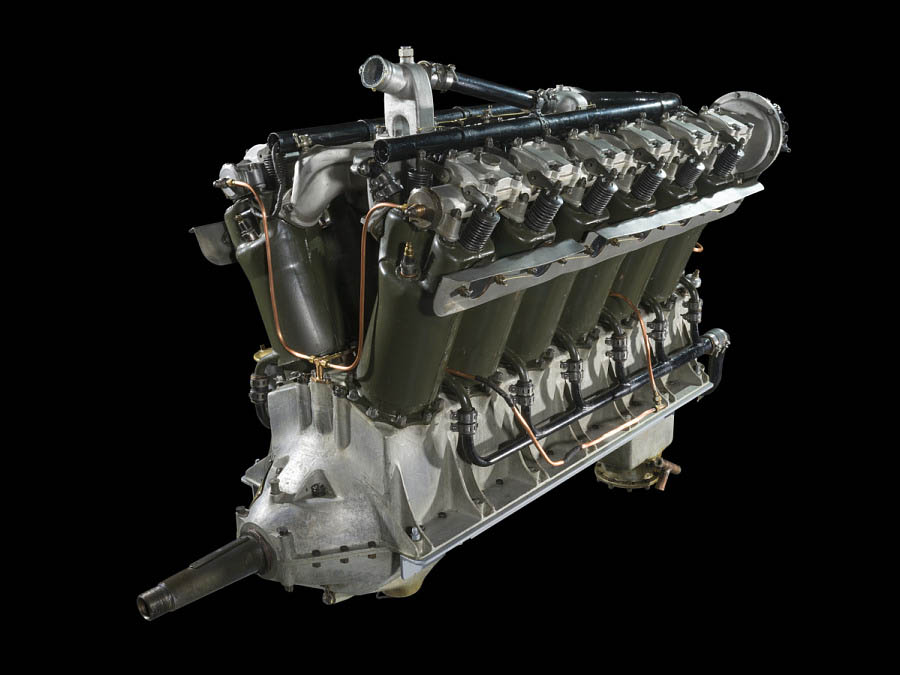
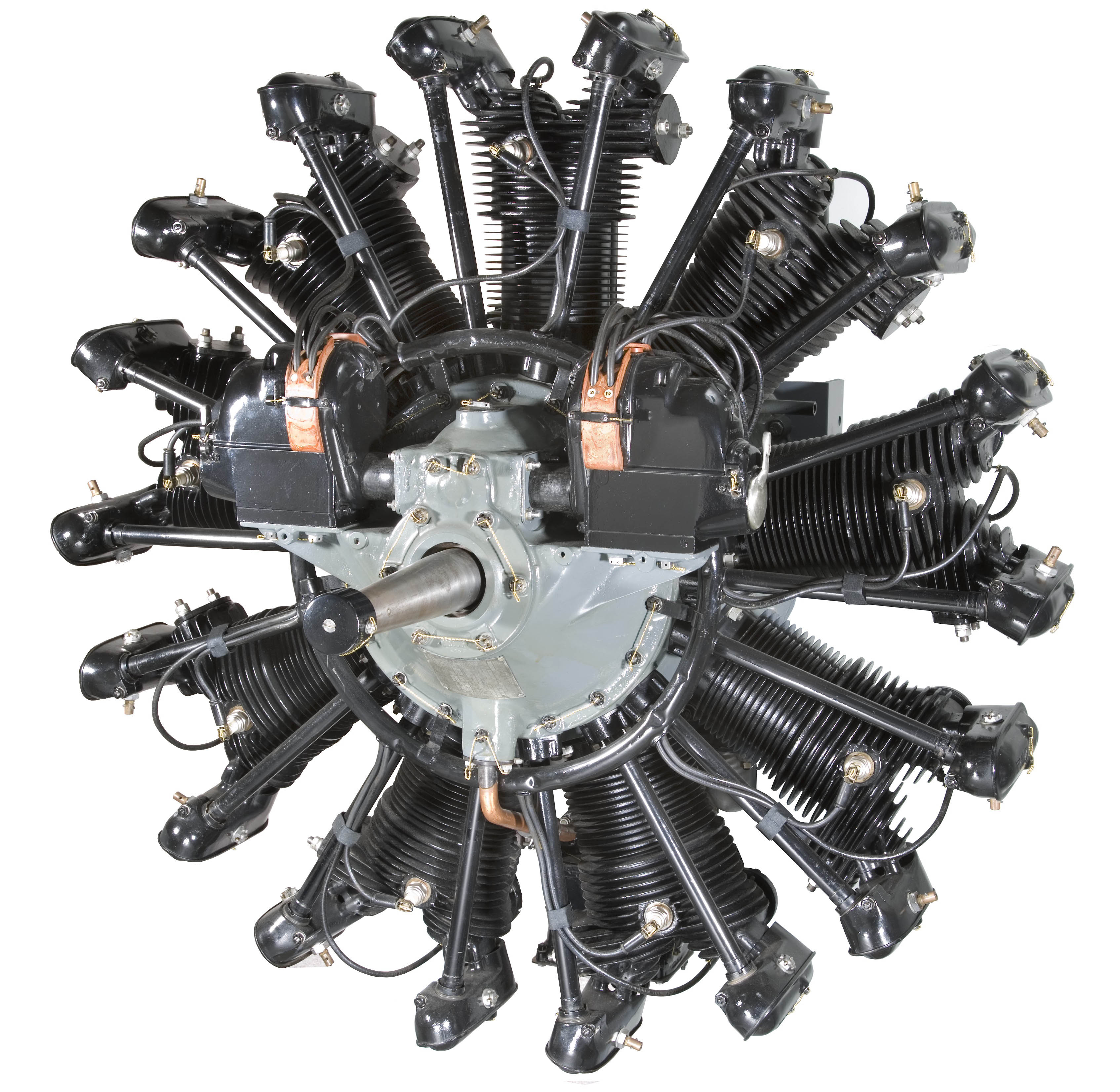
An aircraft engine must do more than make power. It has to produce useful power for its weight, keep running as conditions change, and survive sustained vibration and heat. Cooling, lubrication, fuel delivery, and the strength of moving parts are therefore central to its history. The engine's shape also influences the rest of the aircraft: frontal area affects drag, cooling systems add weight, and the location of fuel and oil changes the arrangement of the airframe.
Early designers explored several answers. Inline and V engines could offer a narrow installation, often with liquid cooling. Radial engines arranged cylinders around the crankshaft and made good use of passing air for cooling. In a rotary engine, the cylinders themselves revolved with the propeller, a solution that helped cooling but brought distinctive handling and lubrication problems. These were competing engineering choices, not simply steps on one inevitable ladder.
Reliability changed aviation as profoundly as peak horsepower. A dependable engine supported longer routes, safer training, and more regular commercial operations. Wartime production demanded another kind of reliability: factories had to build many engines to consistent standards, and mechanics had to keep them serviceable far from those factories. Seen together, the engines in these museums connect spectacular flights to the less celebrated work of metallurgy, testing, maintenance, and manufacturing.