Air Force Museum
Military Women
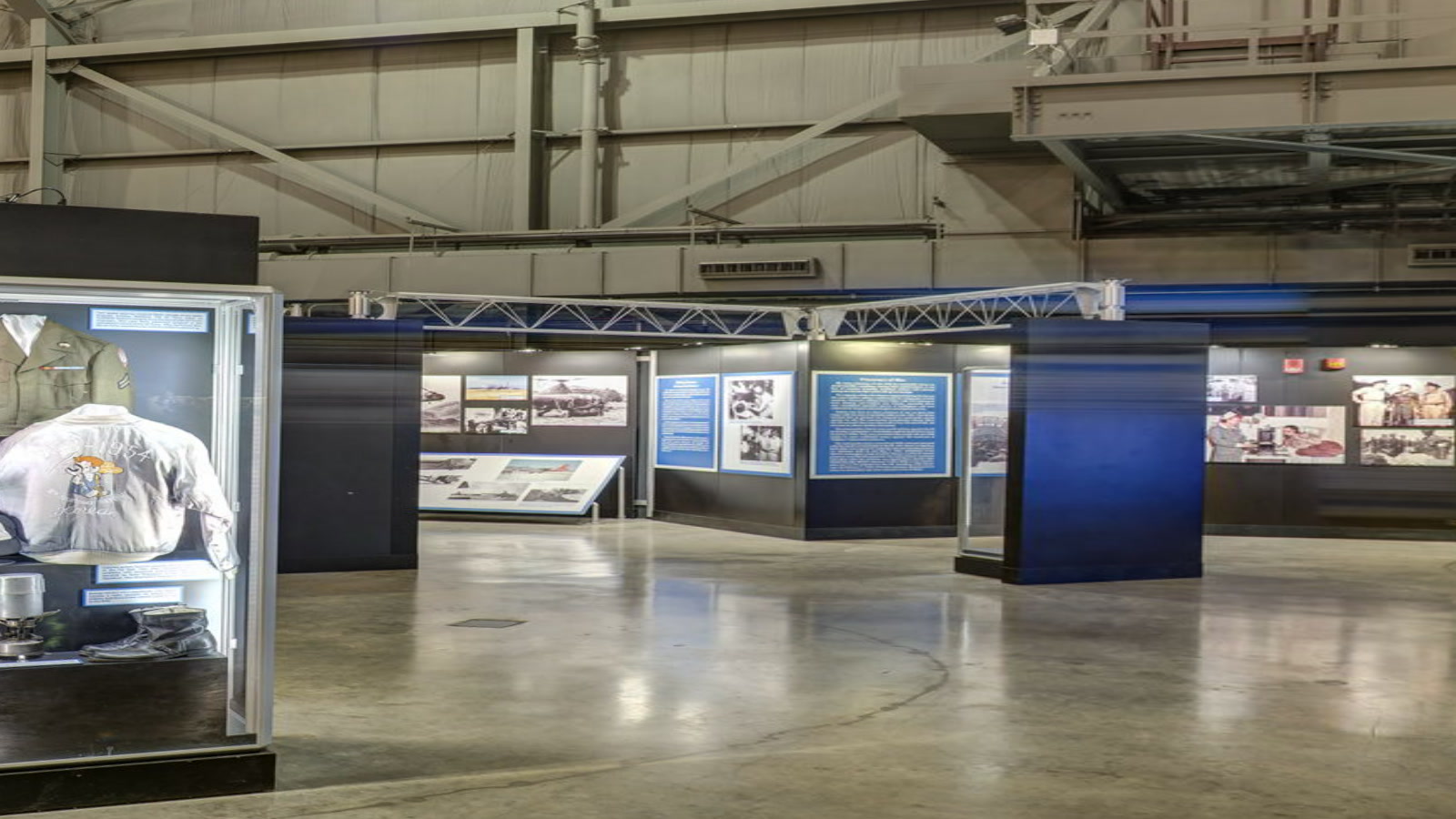
Women served throughout the Korean War medical and support system even as policy excluded them from many military occupations. Air Force nurses and medical technicians cared for casualties in Korea, aboard evacuation flights, and at hospitals in Japan and beyond. Women in the Air Force also worked in communications, administration, intelligence, weather, logistics, and other fields that sustained global operations.
In depth
The story behind the display
Their service combined professional responsibility with institutional restriction. The work was essential, but regulations and public narratives often defined it as support rather than placing it within the central history of air operations.
History & service
The Women's Armed Services Integration Act of 1948 established a permanent place for women in the military. Air Force women contributed to the war effort both in Korea and in support roles elsewhere in the Far East.
Before the Korean War, women serving in the U.S. armed forces did vital wartime work, but then went back to domestic life in peacetime. Based on the value of women's World War II contributions, the Army asked in 1946 that women be made a permanent part of the military. The resulting legislation, signed by President Harry S. Truman on June 12, 1948, made the change for all branches, including the new U.S. Air Force. Women, while made permanent, were initially limited to 2 percent of the total force.
In USAF operations in the Far East, the only women permitted to serve in the Korean battle zone were medical air evacuation nurses of the USAF Nurse Corps. In the process of saving countless UN personnel, three USAF flight nurses lost their lives in Korea, and two received the Distinguished Flying Cross (one posthumously).
Women in the Air Force (WAF) personnel carried out numerous support roles at rear-echelon bases in Japan, including air traffic control, weather observation, radar operation, and photo interpretation. In June 1953 the number of WAFs serving in Japan peaked at about 600. By the end of the Korean War, the total WAF strength worldwide reached 12,800 officers and enlisted women.
Details that tell the story
Flight nurses served in aeromedical evacuation · Women also worked in communications, administration, intelligence, and logistics · Policy excluded women from combat aircrew roles · Korean War service continued the expansion of women's military careers
Service, skill, and the right to take part
Aviation has often been presented as a field open to anyone with enough skill and determination. The historical record is more complicated. Race, gender, money, institutional rules, and access to training shaped who could fly, maintain aircraft, receive commissions, or be recognized for their work. Those barriers were not separate from aviation history; they helped determine whose talents the field could use.
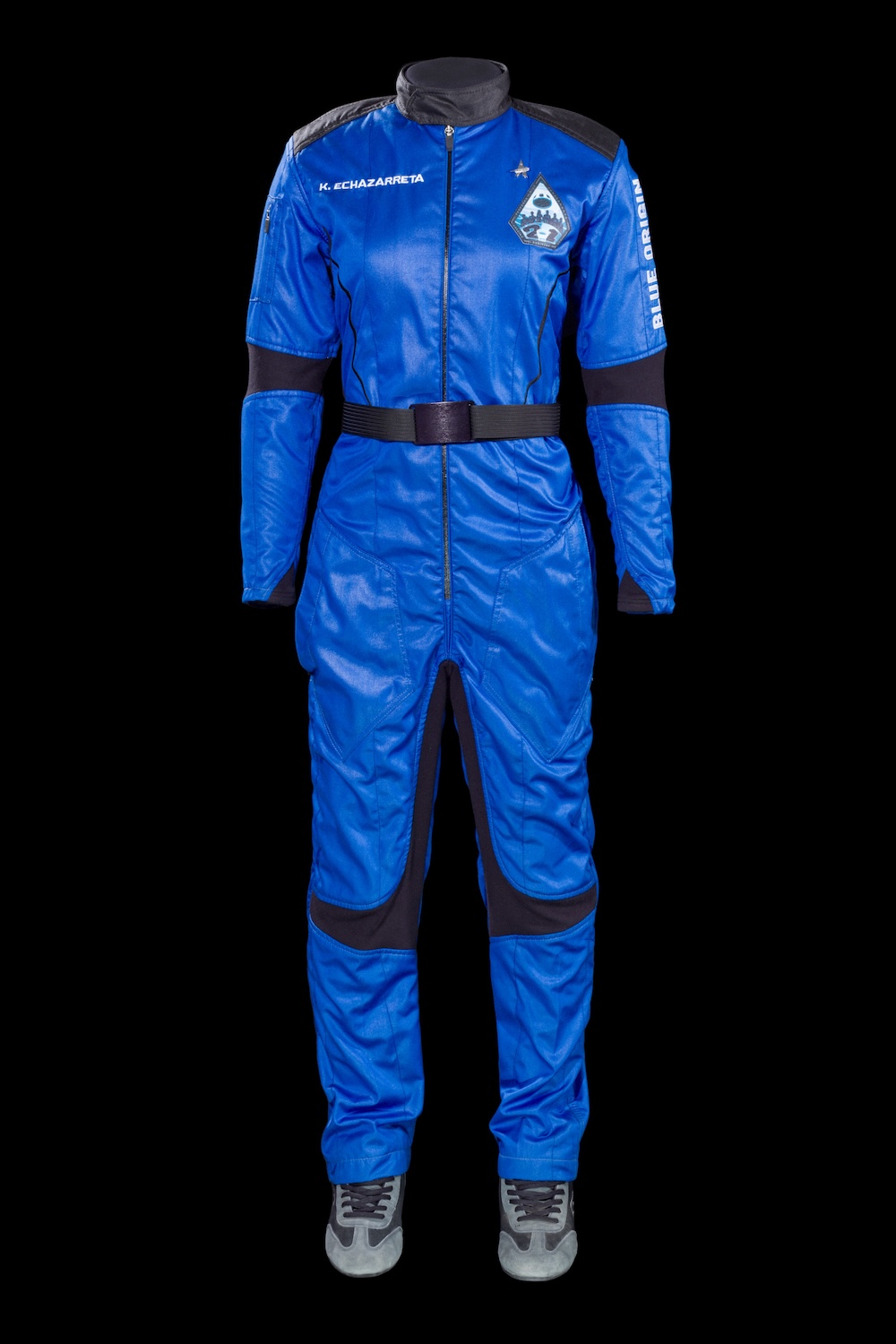
The people represented by uniforms, clothing, photographs, and personal equipment made achievements within those conditions. Their stories include technical proficiency and courage, but also persistence, organization, advocacy, and support from others. Military service could create opportunities while also exposing the contradiction between serving a country and being denied equal treatment within it.
Individual milestones should therefore be connected to the wider community. Pilots relied on instructors, mechanics, administrators, medical personnel, and families. Changes in policy were influenced by public pressure and documented performance as well as by exceptional individuals. Moving between the civil and military galleries makes those connections visible. A flight suit, a scarf, a jacket, or a cockpit can mark both a particular career and a larger expansion of opportunity. The inspirational force of these objects grows when the difficulties are described accurately and the less visible contributors are included.