Udvar-Hazy
World War II German Aviation
Germany’s wartime aircraft included capable conventional designs and pioneering jets. They served Nazi Germany’s campaigns of conquest and later its defense against Allied air attacks. Advanced machines could not compensate for the widening imbalance in resources, fuel, trained crews, and strategic position. This area offers a close look at the technology while keeping the war it served firmly in view.

In depth
From early victories to exhausted resources
The Luftwaffe played a major role in Germany’s early campaigns. As the war expanded, its responsibilities grew across enormous distances and increasingly difficult circumstances. Aircraft development continued, but operational effectiveness depended on more than the newest design.
Fuel, maintenance, replacement crews, and the ability to protect and supply bases shaped what units could accomplish. A machine’s test performance could differ sharply from its practical availability in the final years of the war.
Three different technical priorities
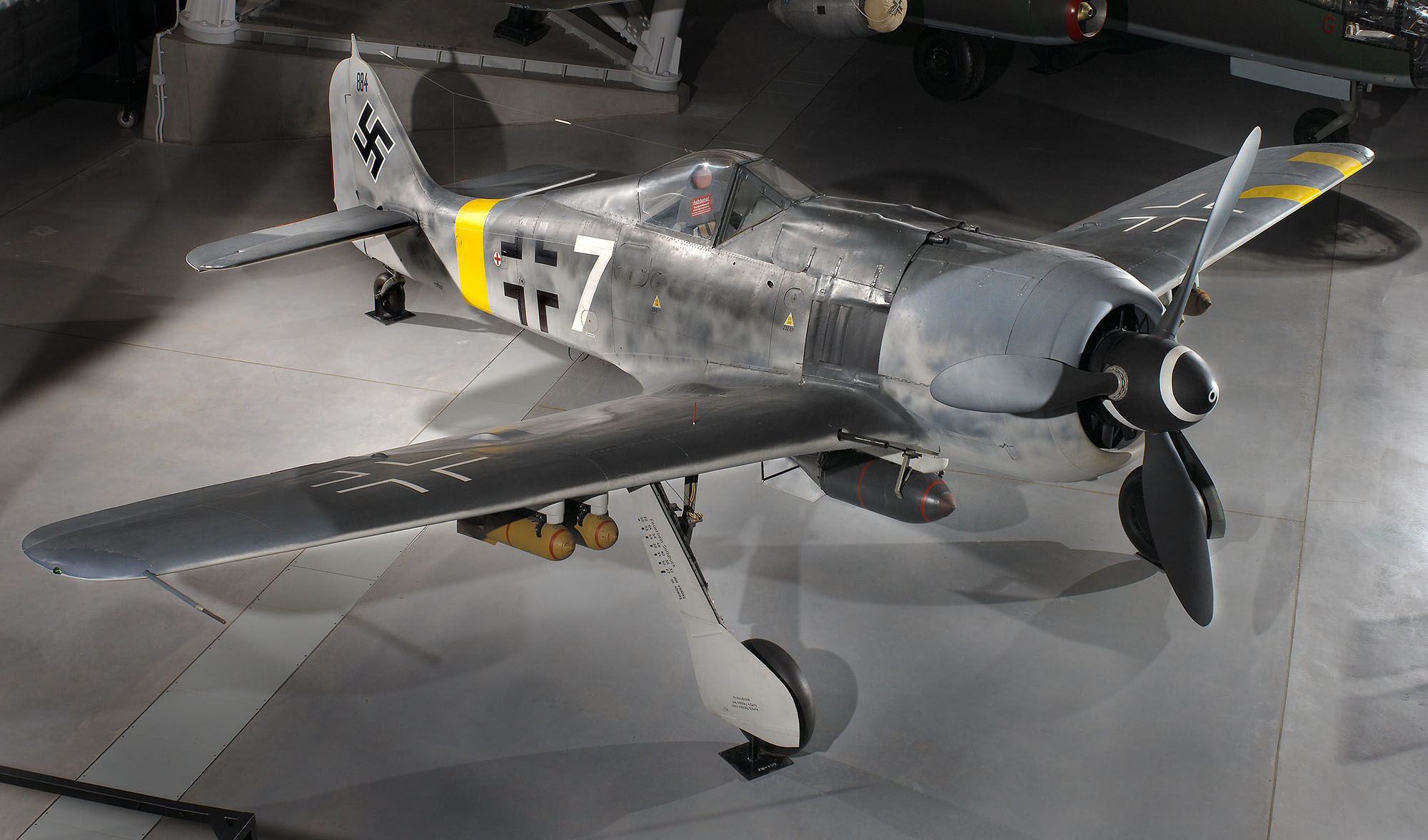
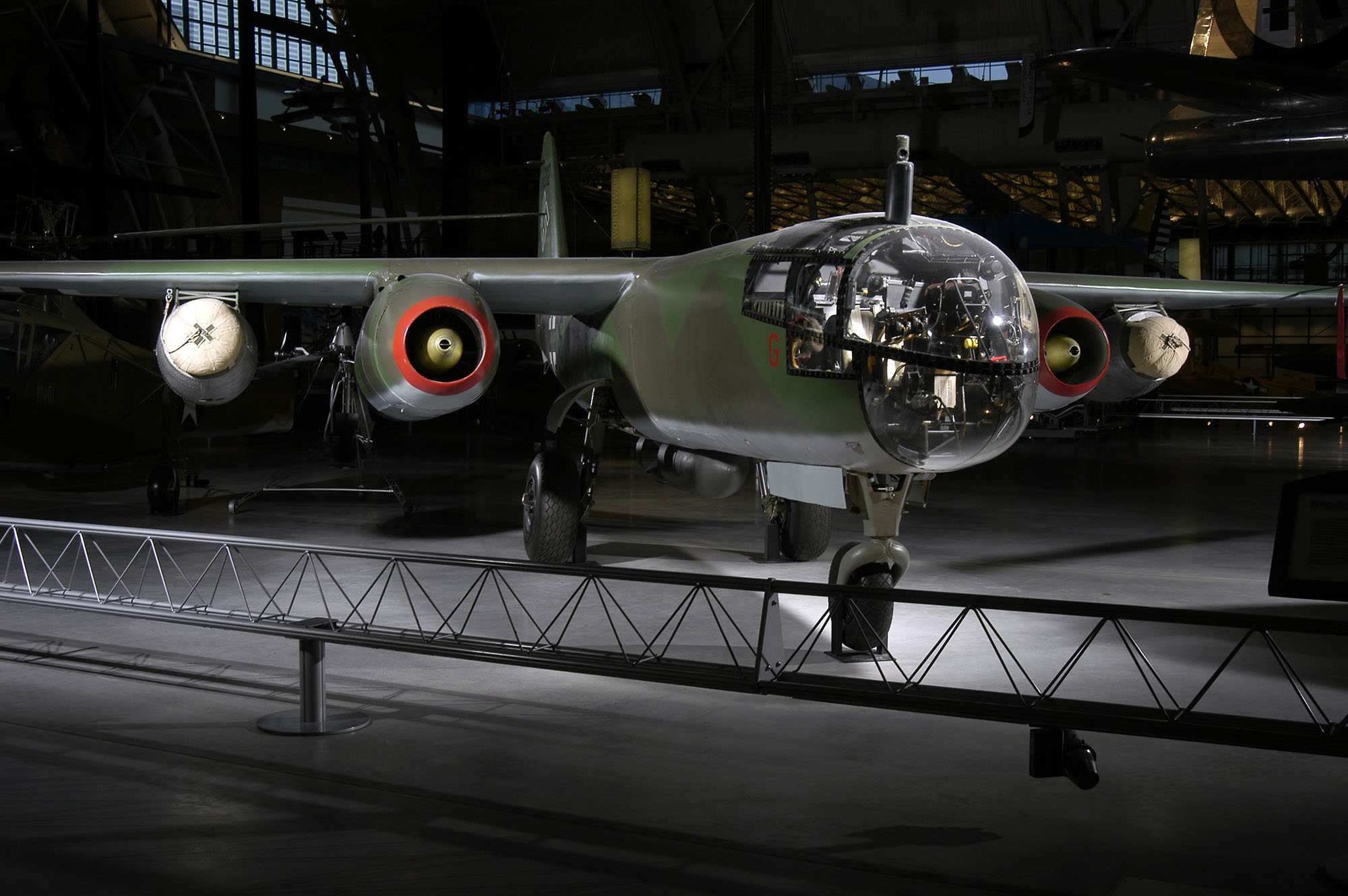
The Fw 190 demonstrates the adaptability of an established fighter design, including conversion to ground attack. The He 219 shows the increasing importance of radar and specialized equipment for night interception. The Ar 234 demonstrates the promise of jet propulsion for reconnaissance and bombing.
Their differences resist a simple story of technological progression. Each was an answer to a particular requirement. Success in one technical area did not ensure that enough aircraft, engines, fuel, and trained people would be available to exploit it.
Examining captured technology
Allied testing and later preservation made these once-adversarial designs available for close study. Engineers could compare structures, systems, and operating ideas directly. That examination is historically useful without implying admiration for the Nazi regime. The machines are evidence of both particular engineering accomplishments and the limits of seeking a technological solution to strategic defeat.