Udvar-Hazy
Cold War Aviation
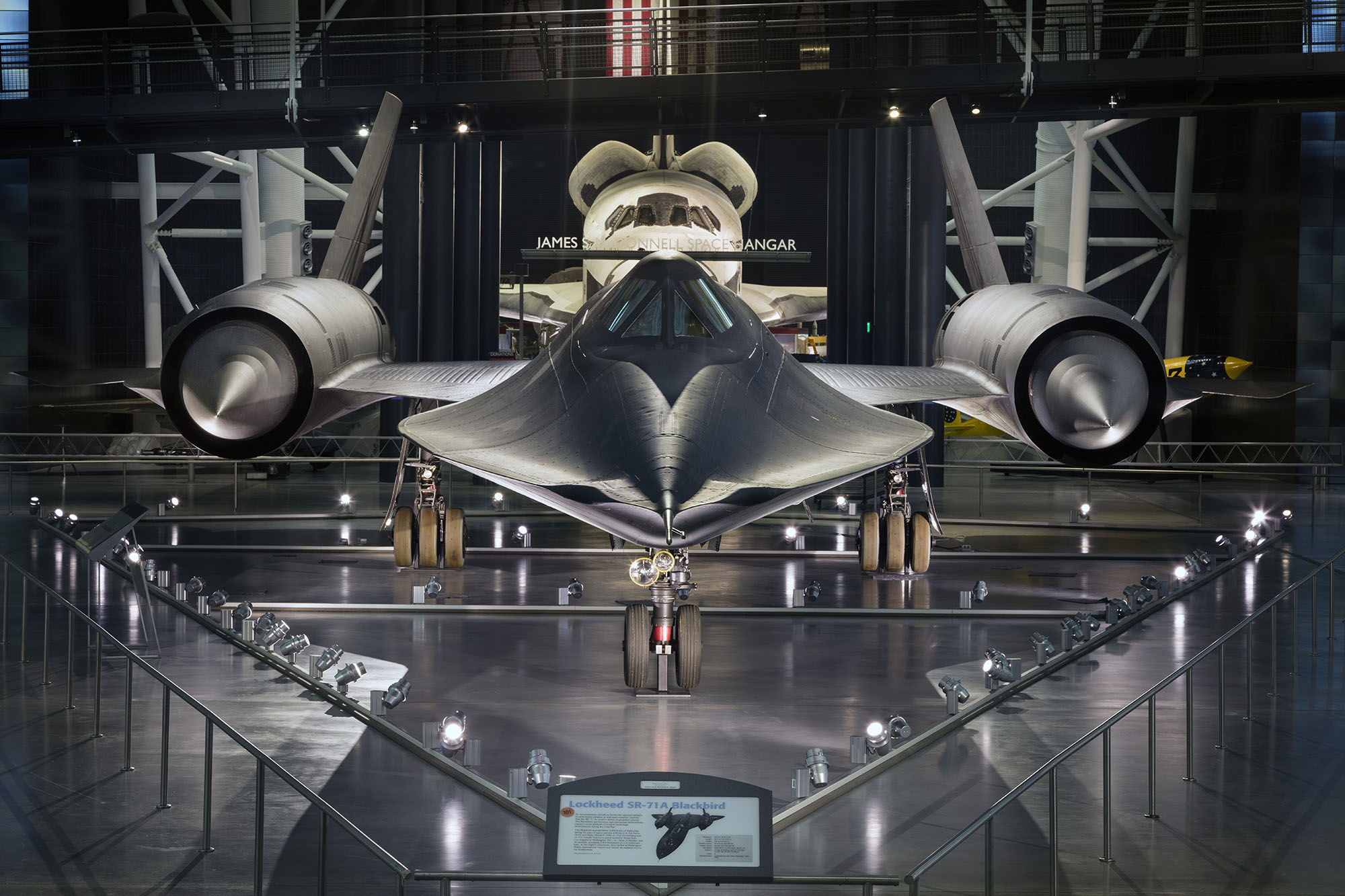
The Cold War put aircraft at the center of a global struggle for information, influence, and military power. Reconnaissance aircraft gathered evidence, transports connected distant bases, and nuclear forces maintained a threat intended to deter attack. The SR-71 embodies the technical ambition of that period. The quieter story is the enormous support system needed to make such demanding aircraft useful again and again.

In depth
Information could change a decision
Reconnaissance aimed to reduce uncertainty about an opponent’s capabilities and actions. Aircraft carried cameras and other sensors to places where useful observations could be made. Speed, altitude, and mission planning helped protect the effort and bring information home.
The SR-71 pushed those requirements into a demanding combination of thermal engineering, propulsion control, specialized crew equipment, and precise operations. Its extraordinary appearance is the result of those connected needs.
A permanent state of readiness
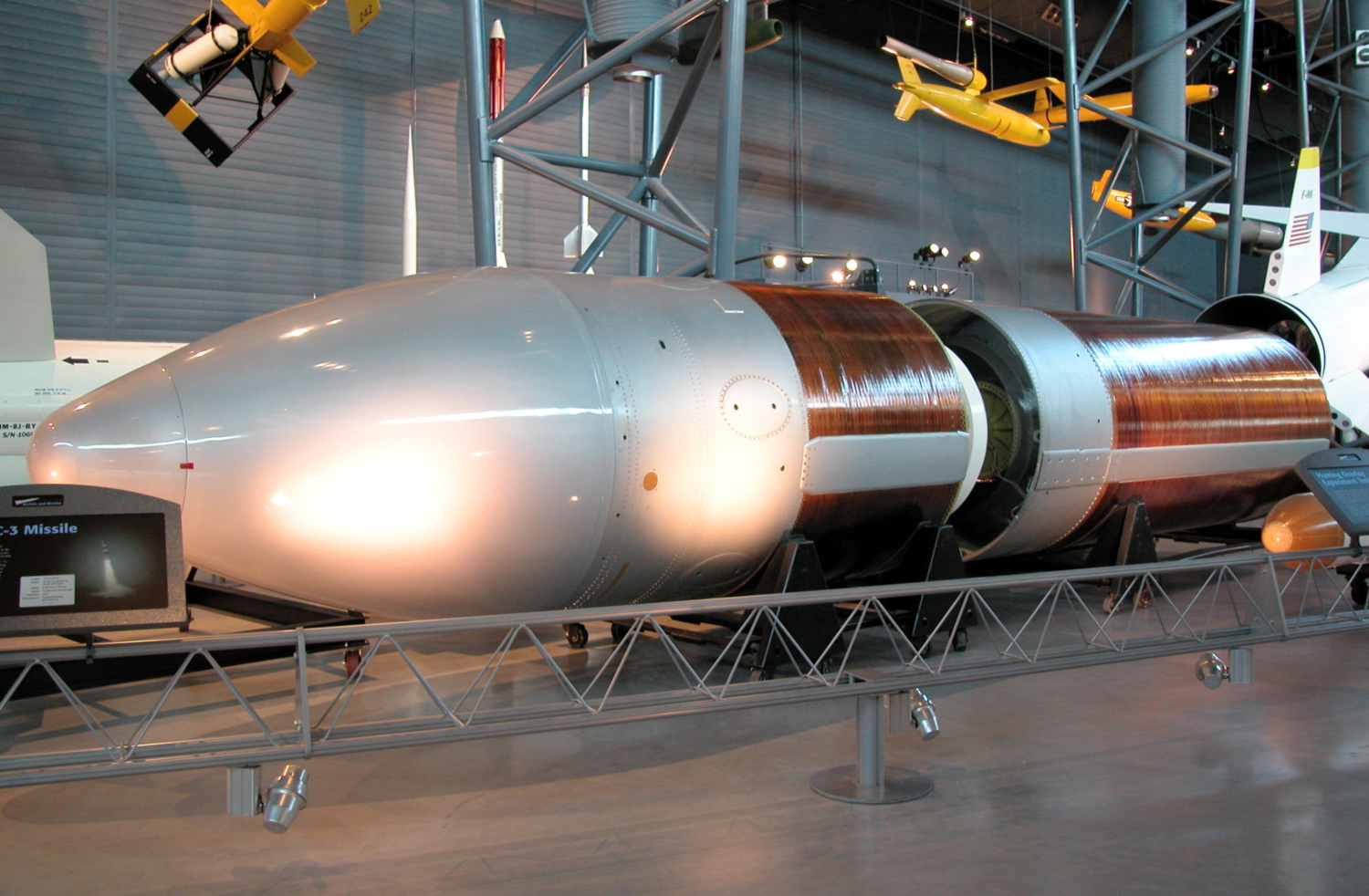
The Cold War required maintaining forces even when they were not engaged in direct combat. Training, alert procedures, logistics, and communications became continuing obligations. The H-13J’s original presidential-evacuation purpose and Poseidon’s submarine-based deterrent role show different responses to the possibility of a sudden crisis.
Military service in this setting often consisted of sustained preparation. Readiness was less visible than a dramatic mission, but depended on disciplined work by large numbers of people.
Technology within a political world
Aircraft did not operate outside politics. Decisions about where to fly, what to observe, and how to respond to information involved national leaders and military institutions. The artifacts are best understood as parts of that larger system. Their engineering can inspire close attention while their missions raise broader historical questions about secrecy, deterrence, competition, and the management of risk.