Udvar-Hazy
General Aviation
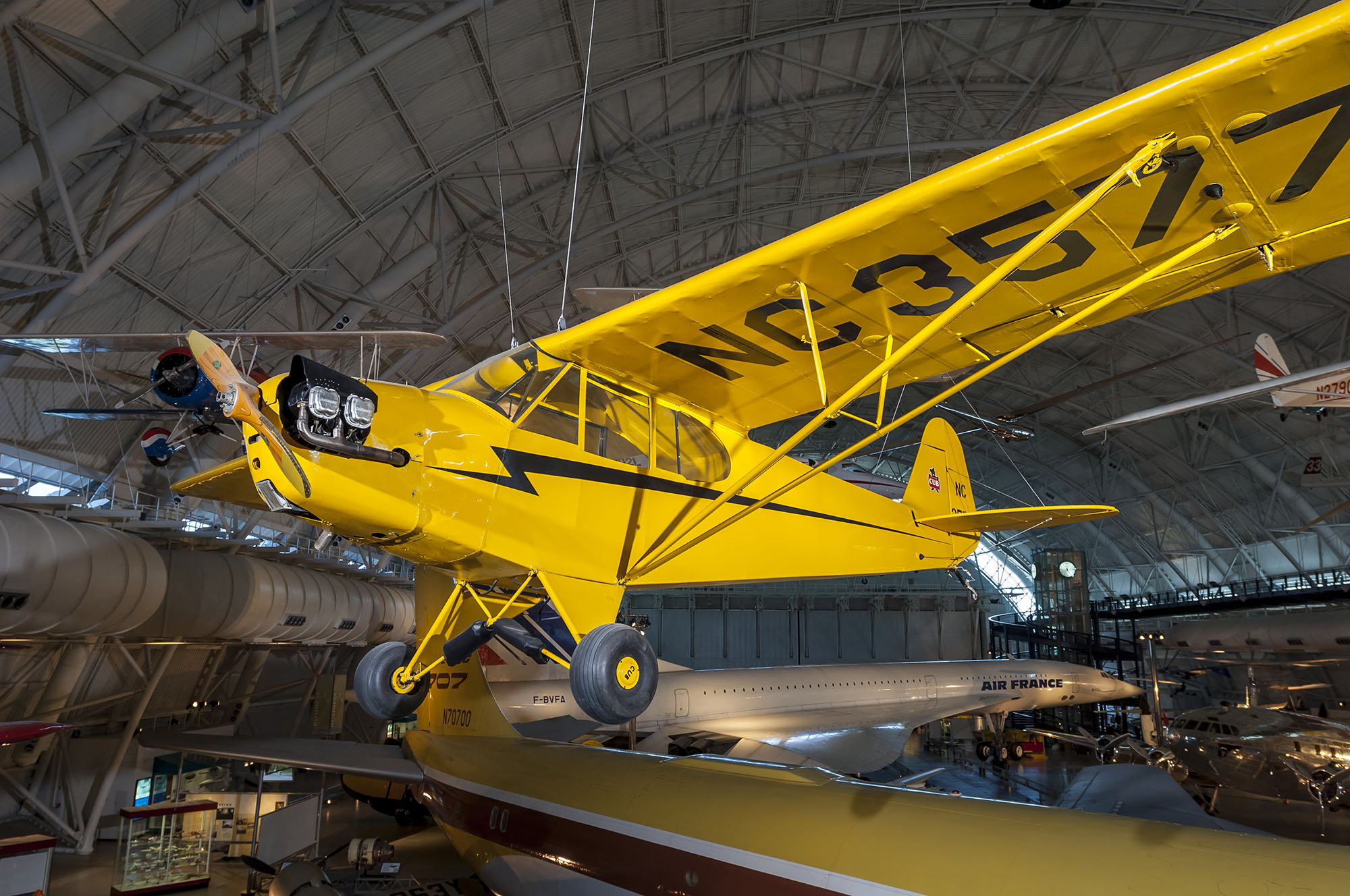
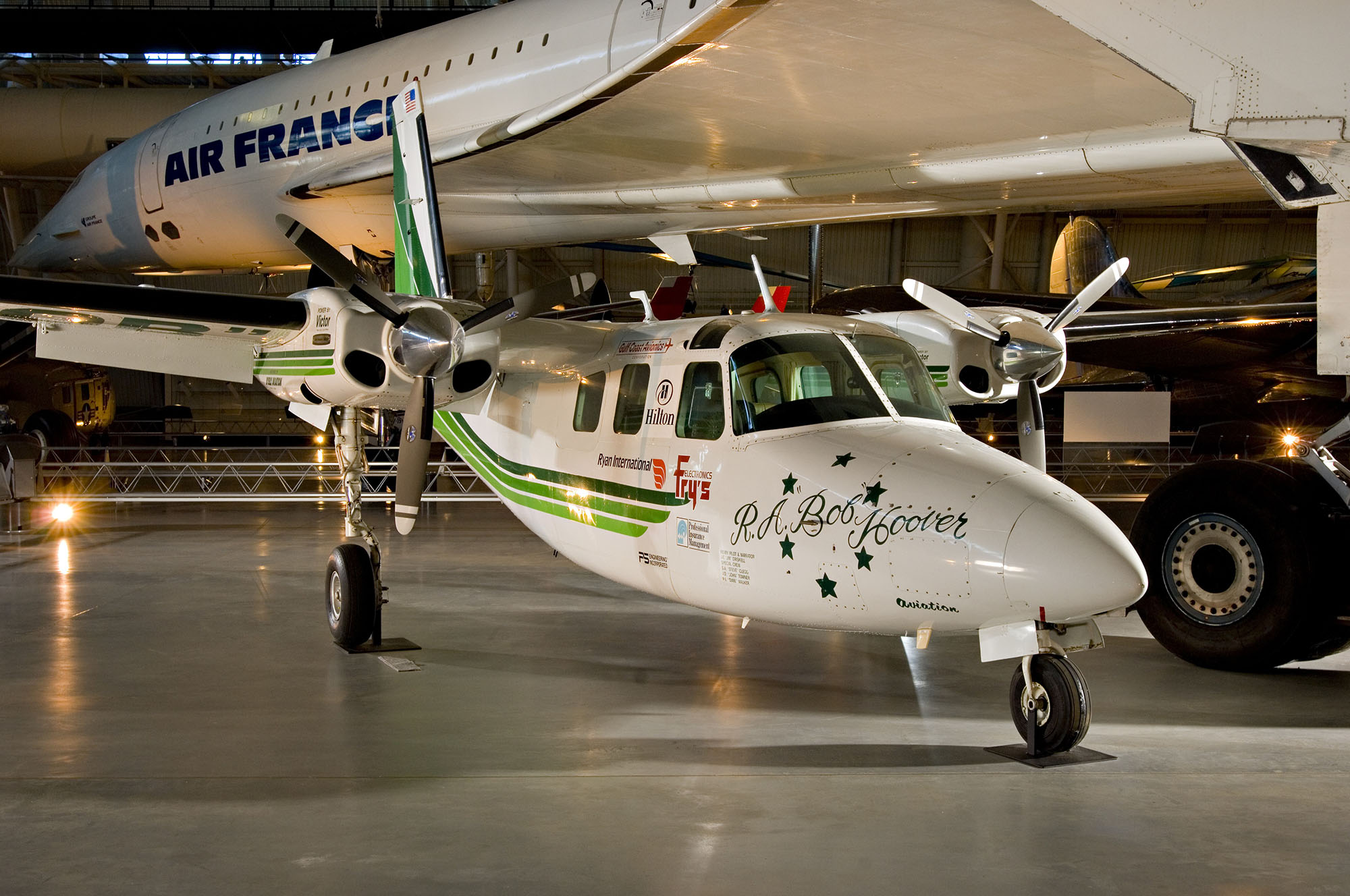
Much of aviation happens outside scheduled airlines and military operations. Personal flying, training, business transport, aerial work, and medical flights put many different aircraft to use. This broad field is called general aviation. The Cub and Shrike Commander make its variety visible: small machines can serve everyday practical needs, launch flying careers, or become the center of a remarkable personal achievement.

In depth
A category defined by variety
General aviation includes many civil activities with different aircraft, budgets, and purposes. A training flight, a business trip, and specialized aerial work may share an airfield while demanding different equipment and skills. Treating them as one kind of flying can obscure what makes each useful.
The aircraft must fit the task. Access to smaller airports, the ability to carry particular equipment, or a suitable cabin may matter more than maximum speed.
The infrastructure is close to home
Local airfields support instructors, maintenance shops, fuel services, owners, and visiting pilots. These facilities connect individual flights with a wider aviation system. Their value is often easiest to see through the work and people they support rather than the size of their terminals.
The Piper Cub’s long training history illustrates how a simple aircraft can help build a much larger pool of skill. Every professional career begins with basic aircraft handling somewhere.
Ordinary machines can have extraordinary lives
Hoover’s Shrike Commander became famous for air-show precision, but its underlying design was a practical business transport. Its unusual career should not obscure the thousands of less visible journeys such aircraft were built to perform. This gallery rewards attention to usefulness as well as spectacle: aviation’s influence often comes through repeated, dependable work.