Udvar-Hazy
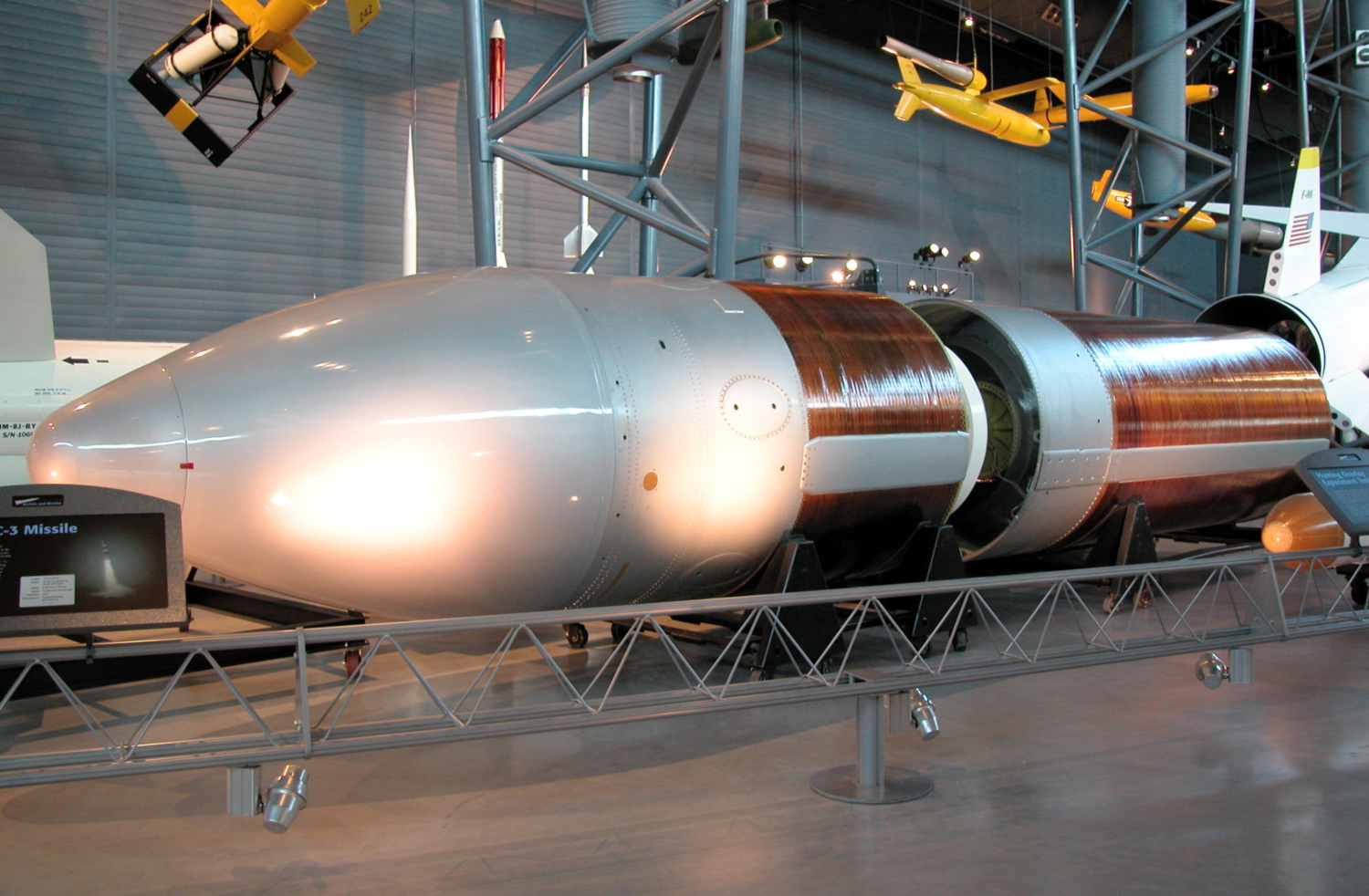
Poseidon C-3 Missile
Poseidon was designed to carry nuclear weapons from a submarine. Its Cold War purpose was deterrence: an opponent would know that submarines at sea could survive an attack and retaliate. The missile combined compact packaging, powerful propulsion, and multiple warheads in a system intended for an extreme national emergency. It represents a very different use of rocket technology from the spacecraft nearby, even where some engineering principles overlap.
In depth
A weapon built around concealment
A submarine can make its location difficult to determine. For strategic planners, that offered a way to preserve a retaliatory force even if fixed bases were attacked. Poseidon formed part of the U.S. nuclear forces alongside land-based missiles and long-range bombers.
Deployed beginning in 1971, the two-stage missile succeeded Polaris. A submarine could carry 16 Poseidon missiles. Their purpose was inseparable from the system around them: boats, crews, communications, command authority, maintenance, and the doctrine governing possible use.
Multiple warheads change the calculation
Poseidon could carry multiple independently targetable reentry vehicles. That meant one missile could release separate warheads directed toward different targets. The development increased the potential destructive reach of each launch and complicated strategic calculations about defenses and survivability.
The technology should be understood at the level of its historical significance rather than as a detached performance contest. A more capable delivery system also meant greater potential consequences for human populations. Deterrence depended on the threat of destruction while seeking to prevent the circumstances in which that destruction would occur.
Rocketry’s divided inheritance
The missile’s cylindrical form and staged propulsion have family resemblances to launch vehicles used for exploration. Similar physical principles can serve very different purposes. Institutions, objectives, payloads, and decisions determine whether a rocket carries instruments, people, or weapons.
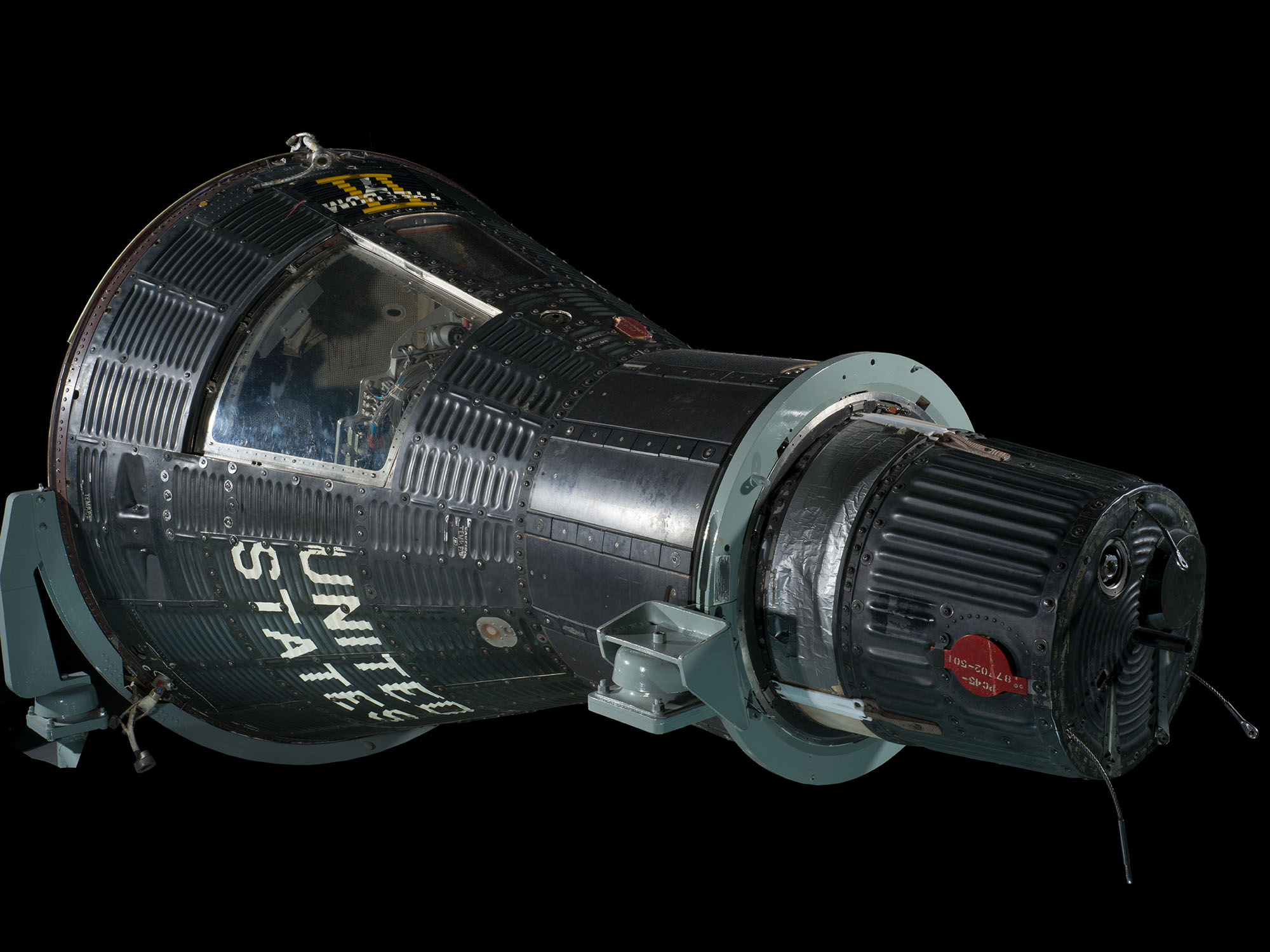
Compare Poseidon with Discovery and the Mercury capsule. The proximity of these artifacts makes the twentieth century’s intertwined investments in military power and spaceflight visible. Poseidon’s story includes the disciplined service of submarine crews and the unresolved tension at the heart of nuclear deterrence: maintaining a weapon in readiness while hoping it will never be used.