Air Force Museum
Air Rescue
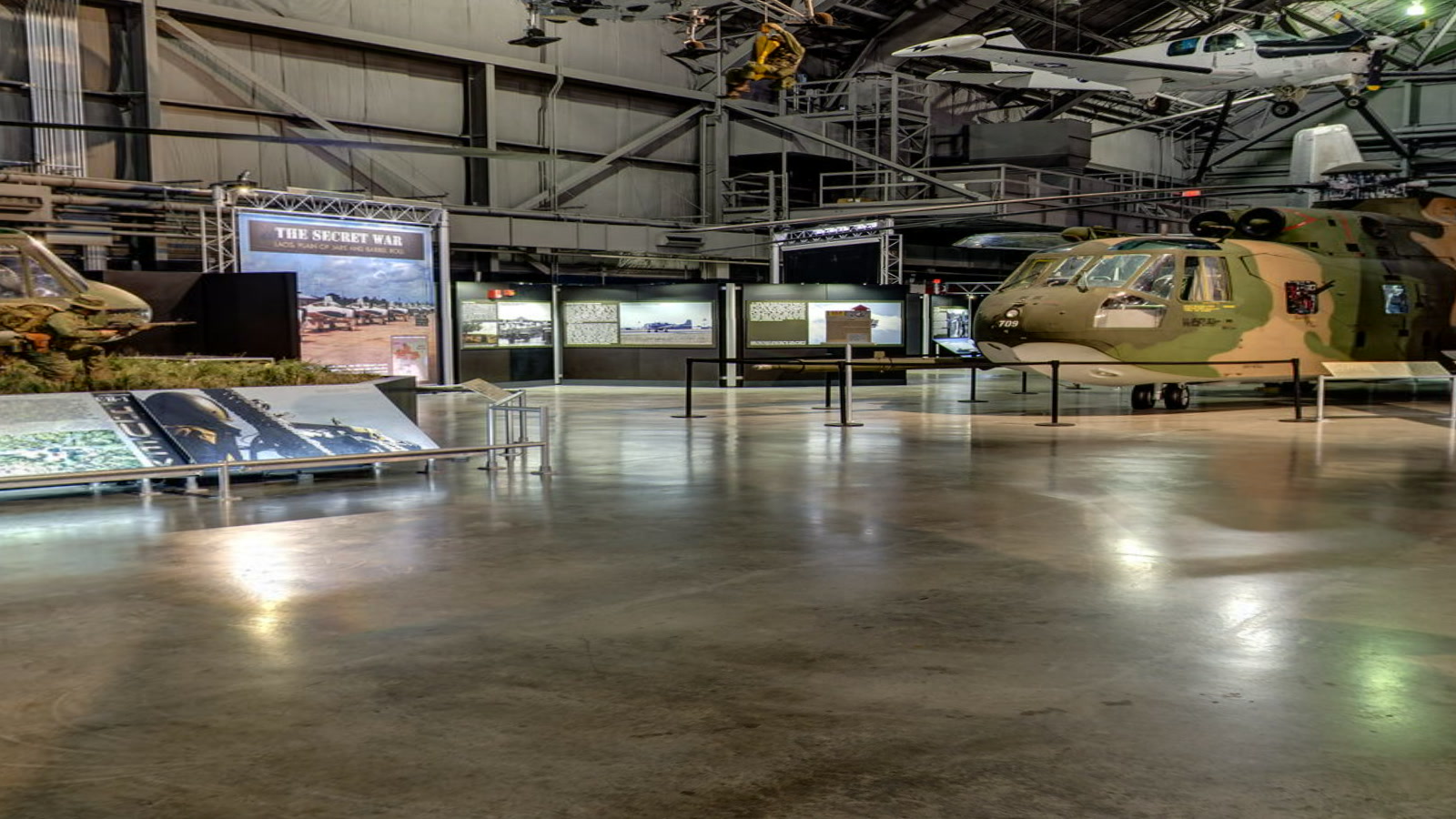
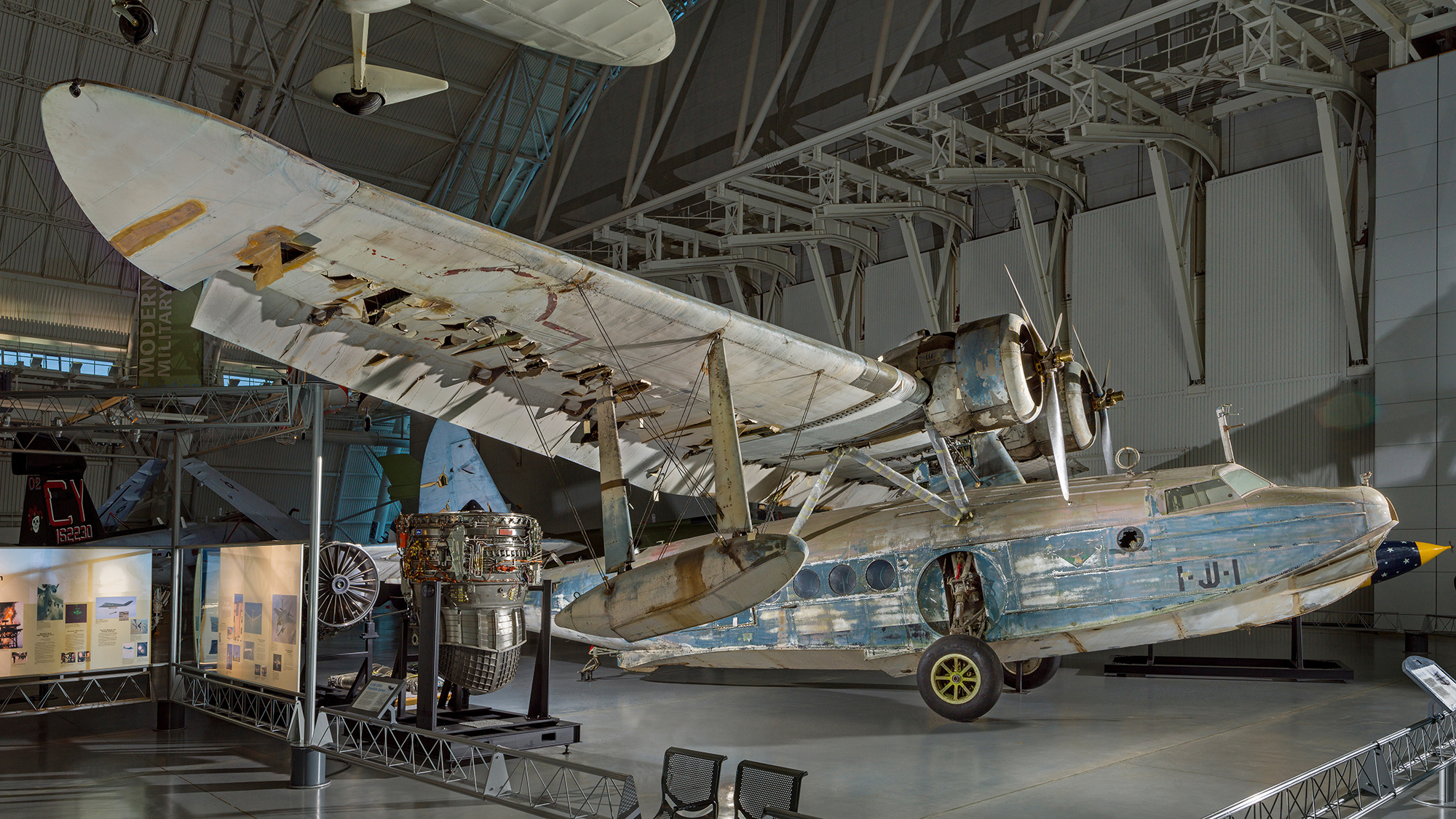
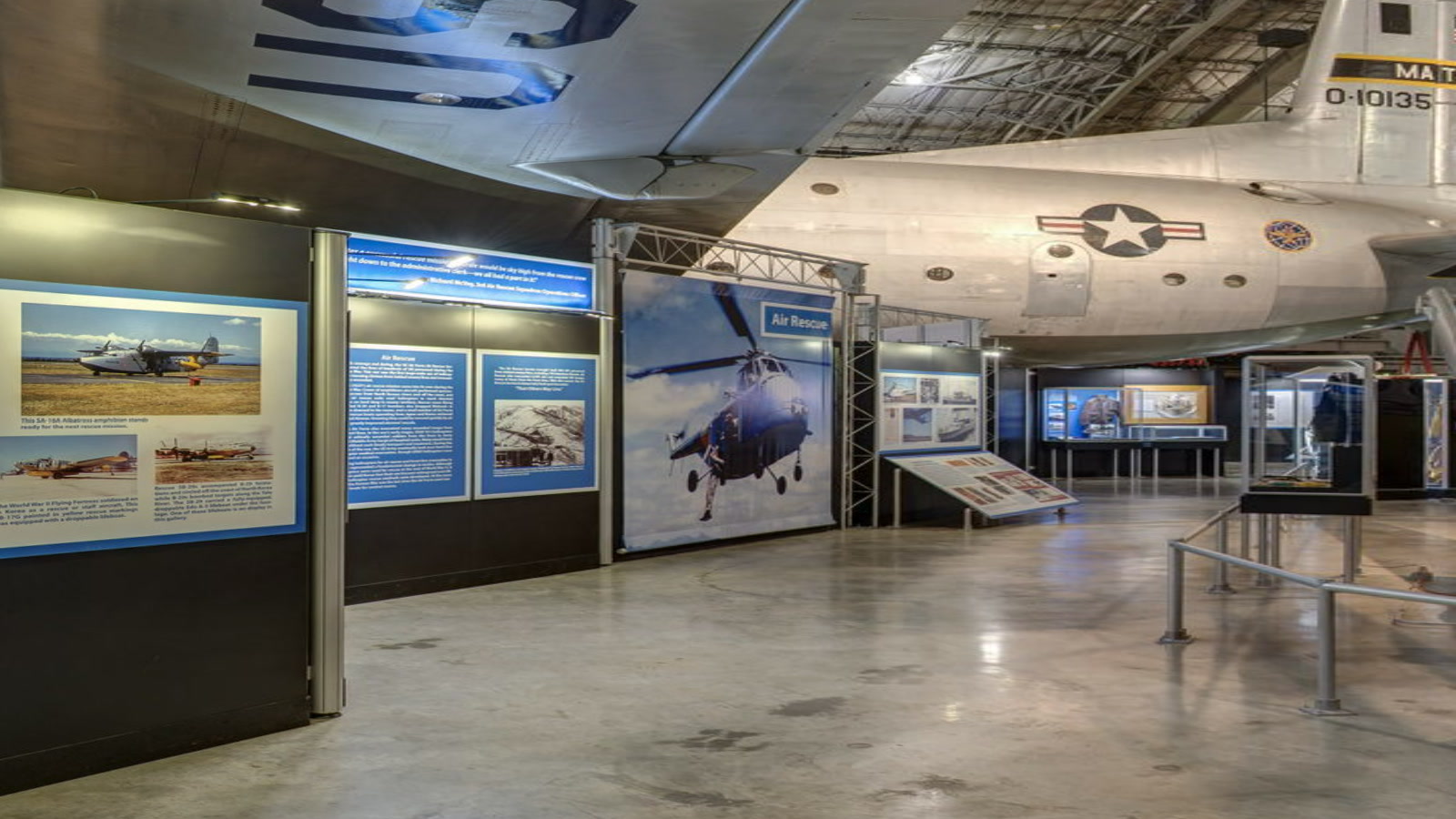
Air rescue combined helicopters, amphibians, aircraft, ground teams, communications, and medical care to recover people from hostile or isolated locations. A downed aircrew might be injured, hidden, surrounded, at sea, or beyond the range of a single rescue aircraft. Controllers coordinated information while helicopters, SA-16 amphibians, fixed-wing aircraft, pararescue personnel, and supporting fighters responded according to terrain and threat.
In depth
The story behind the display
Early rescue helicopters had limited range and payload, so timing and staging mattered. The mission helped establish a principle that shaped later Air Force culture: every effort would be made to recover people placed at risk by an air operation.
History & service
With courage and daring, the U.S. Air Force Air Rescue Service saved the lives of hundreds of UN personnel during the Korean War. This war saw the first large-scale use of helicopters in rescuing Airmen from behind enemy lines and evacuating the wounded.
The USAF's air rescue mission came into its own during the Korean War. Crews of amphibious aircraft performed spectacular rescues from North Korean rivers and off the coast, and USAF air rescue units used helicopters to reach downed Airmen on land deep in enemy territory. Rescue crews flying modified B-29 and B-17 bombers also dropped lifeboats to Airmen downed in the ocean, and a small number of Air Force crash rescue boats operating from Japan and Korea retrieved downed Airmen.
Knowing they could be rescued quickly by air or sea greatly improved aircrews' morale.
The Air Force also evacuated many wounded troops from the front lines. In the war's early stages, USAF H-5 helicopters rushed critically wounded soldiers from the front to Army MASH (Mobile Army Surgical Hospital) units. Many would have died without such timely transport and treatment. During the course of the war, the U.S. Army eventually took over front-line helicopter medical evacuation, though USAF helicopters were still used on occasion.
Using helicopters for air rescue and front-line evacuation in Korea represented a fundamental change in tactics. Although helicopters were used for rescue at the end of World War II, it was not until Korea that their use became widespread and efficient helicopter rescue methods were developed. At the same time, the Korean War was the last time the Air Force used sea-going boats for combat rescue.
The Air Rescue Service brought back 996 UN personnel from behind enemy lines, including 170 American Airmen. Air Rescue also evacuated 8,598 sick and wounded UN troops, many of these from the front lines. With this record, the Air Rescue Service in Korea truly lived up to its motto, "That Others May Live."
Blood Chit. Bryce Poe II, who flew the first U.S. Air Force jet reconnaissance mission of the Korean War, carried this "blood chit" during his tour. A blood chit, to be used if downed and evading the enemy, explains in several languages that the pilot is American and needs help. Poe later rose to the rank of four-star general and commanded the Air Force Logistics Command.
E-1 radio carrier vest. The E-1 vest carried a small AN/URC-4 survival radio, which was used to communicate with rescue aircraft.
C-1 Emergency Sustenance Vest. The World War II C-1 vest was the first military survival vest, and the USAF used it in large numbers in Korea. Pilots did not normally wear it in flight, but put it on after landing (the vest was stored in a bag attached to the parachute).
Details that tell the story
Used helicopters, amphibians, fixed-wing aircraft, and ground teams · Required rapid position reporting and coordination · Threat, weather, terrain, and fuel limited response · Helped shape later combat-search-and-rescue doctrine
The mission was to bring someone home
Rescue and medical evacuation changed the meaning of aviation's reach. Speed could shorten the time between an injury and treatment. Aircraft could cross terrain that made a ground journey slow or impossible. But the ability to reach a person did not guarantee the ability to recover them. Weather, enemy fire, limited landing space, weight, and the patient's condition shaped every decision.
Rescue depended on a chain of people and equipment. Someone had to locate the survivor, communicate the position, assess the danger, provide protection where necessary, and bring a recovery aircraft to the right place. Medical personnel then worked in an environment that could be noisy, cramped, and poorly suited to care. The aircraft's range and payload mattered, but so did preparation, coordination, and judgment.
The personal equipment in these galleries makes that work concrete. A radio could turn a search into a precise approach. Protective clothing could keep a survivor alive long enough to be found. A helicopter could lift someone from a place with no runway. A transport could carry casualties toward a hospital. These connections span civil and military aviation and link the museums through a shared purpose. Heroism here often means accepting risk in order to reduce another person's danger, while relying on a carefully organized team to make the attempt possible.