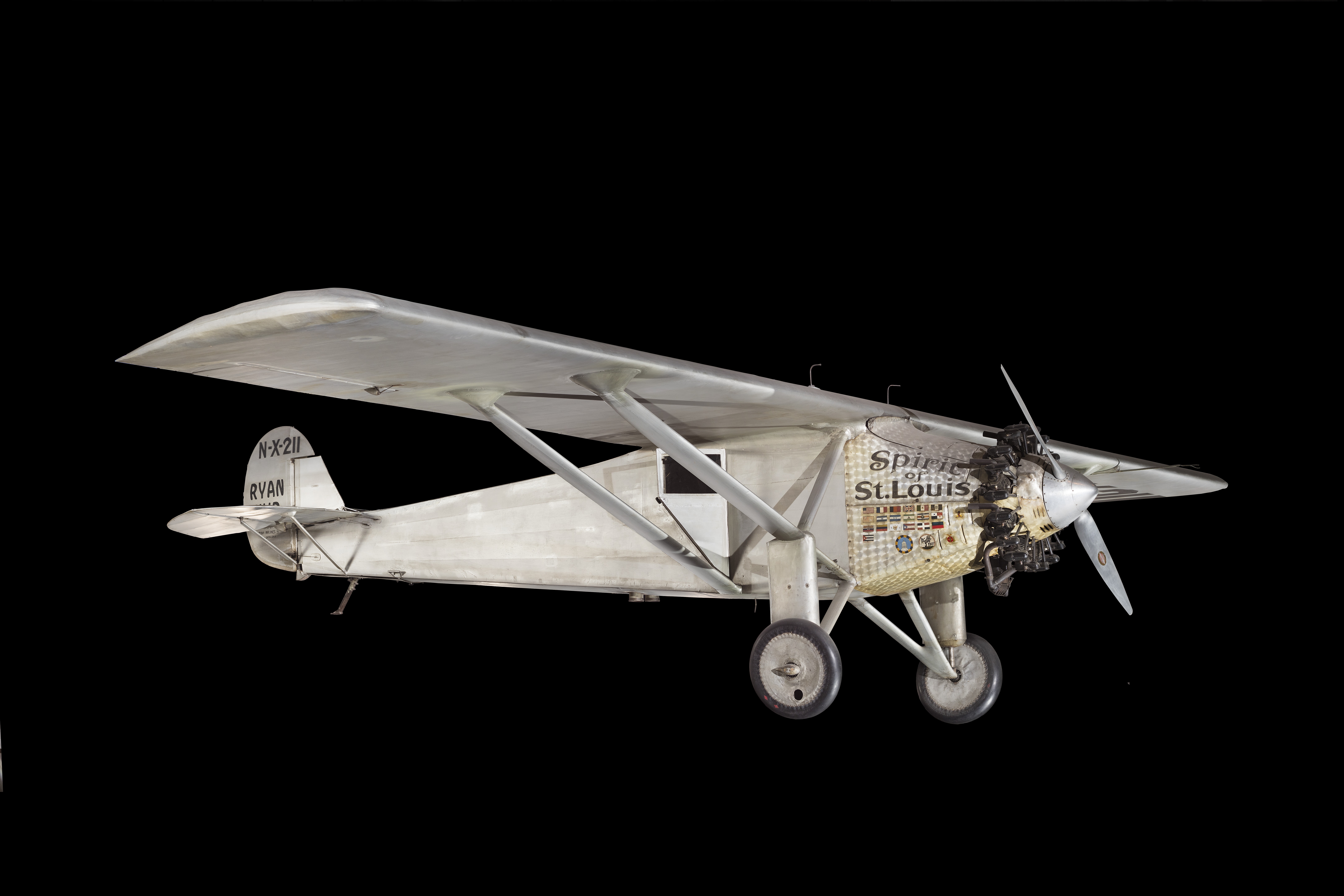
Air Force Museum
KC-97L Stratofreighter
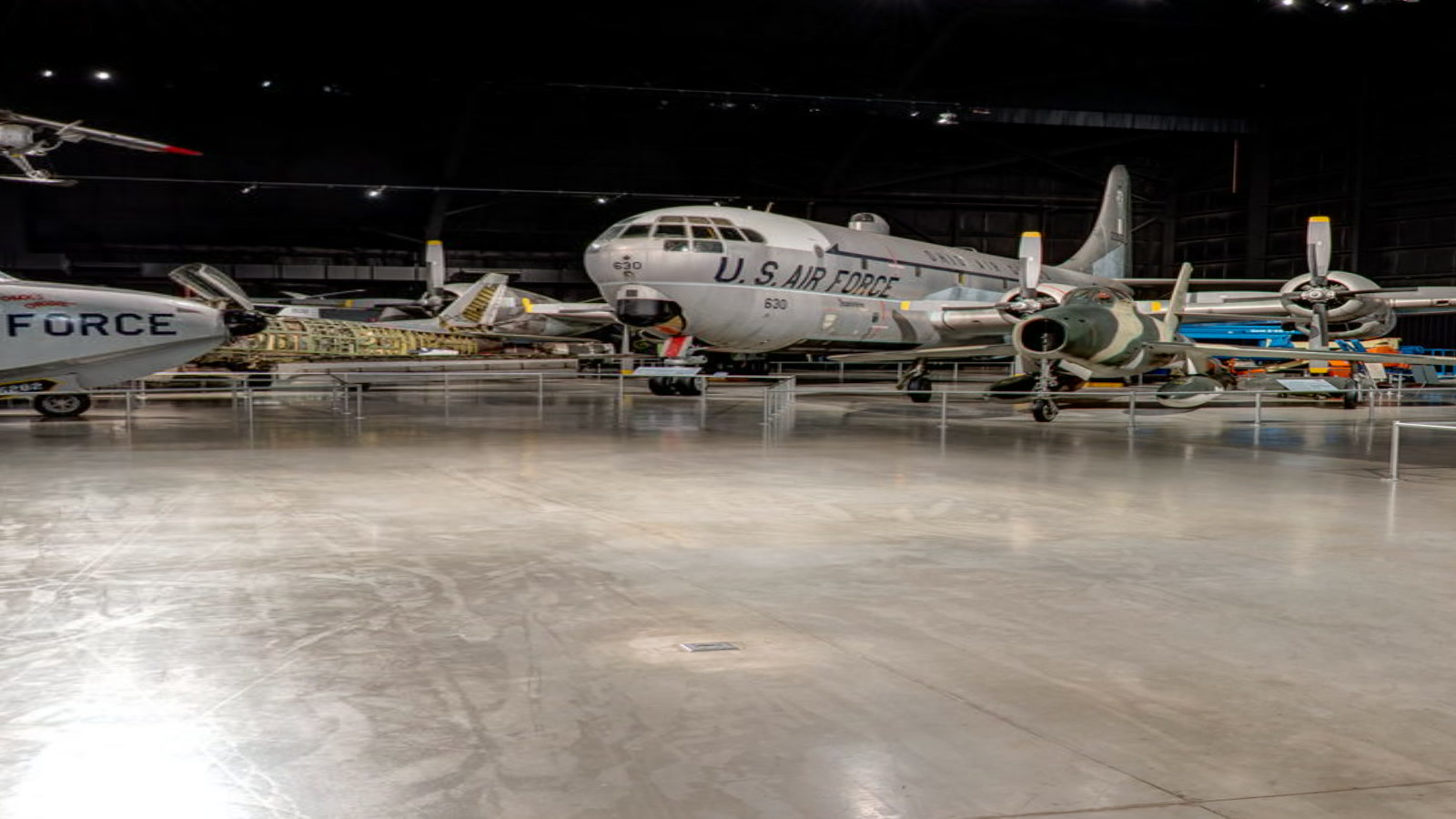
The KC-97 extended bomber and fighter range by transferring fuel in flight, making global operations less dependent on nearby bases. Its piston engines created a speed mismatch with fast jets, so later KC-97Ls received auxiliary jet engines. The tanker nevertheless became a crucial bridge between wartime transport technology and the jet-powered aerial-refueling force.
In depth
History & service
A cargo version of the B-29, the C-97 Stratofreighter first flew in November 1944. Boeing introduced the tanker version, KC-97 with the "flying boom" refueling system, in 1950. In all, the USAF ordered 890 aircraft: 74 C-97s and 816 KC-97s.
To keep its tankers compatible with its newer high performance jet aircraft, the USAF gradually replaced the slower KC-97s with Boeing KC-135 jet tankers after 1956. However, some modified KC-97s continued flying in other roles. In 1964 some of them received two jet engines. The increased speed of these KC-97L aircraft made them more compatible with high performance jet aircraft, and they served primarily with the Air National Guard. The USAF retired its last C/KC-97 in 1973, but others remained in use with the Air Force Reserve and Air National Guard as tankers or search and rescue aircraft.
During Operation Creek Party, which started in 1967 and lasted for 10 years, Air National Guard and Air Force Reserve tankers supported active duty USAF and NATO units in Europe. The aircraft on display, flown by the 160th Air Refueling Group of the Ohio Air National Guard, participated in this operation, and on June 7, 1973, the mayor of Zeppelinheim, a town near Rhein-Main Air Base in West Germany, christened this aircraft in his town's honor. The Zeppelinheim was flown to the museum in August 1976.
Details that tell the story
Derived from the C-97 transport · Used a flying boom for aerial refueling · KC-97L added two auxiliary jet engines
The work behind a record flight
Long-distance flying exposed the difference between an aircraft's advertised performance and the demands of a real journey. More fuel extended range but increased takeoff weight. A route that looked direct on a map might cross hostile weather, mountains, or ocean with few options for landing. Navigation, fatigue, engine reliability, and access to fuel could matter as much as speed.
Record flights made individual pilots famous, but their preparation drew on a much wider circle. Mechanics inspected and modified aircraft. Weather specialists helped assess routes. Manufacturers supplied parts and advice. Ground organizations arranged fuel, communications, and recovery. Some journeys were feats of endurance; others were surveys intended to show where dependable future routes might run.
The human stories are strongest when those practical details remain visible. A pilot's courage did not remove risk; it operated alongside planning, experience, and judgment. The surviving aircraft can reveal what the mission demanded through its fuel capacity, cockpit arrangement, engine installation, and provisions for navigation. Related objects in other museums supply the rest of the picture: an engine, a pressure suit, a radio, or a later transport that made the once-exceptional route routine. A record becomes more meaningful when it can be connected to what followed.