National Mall
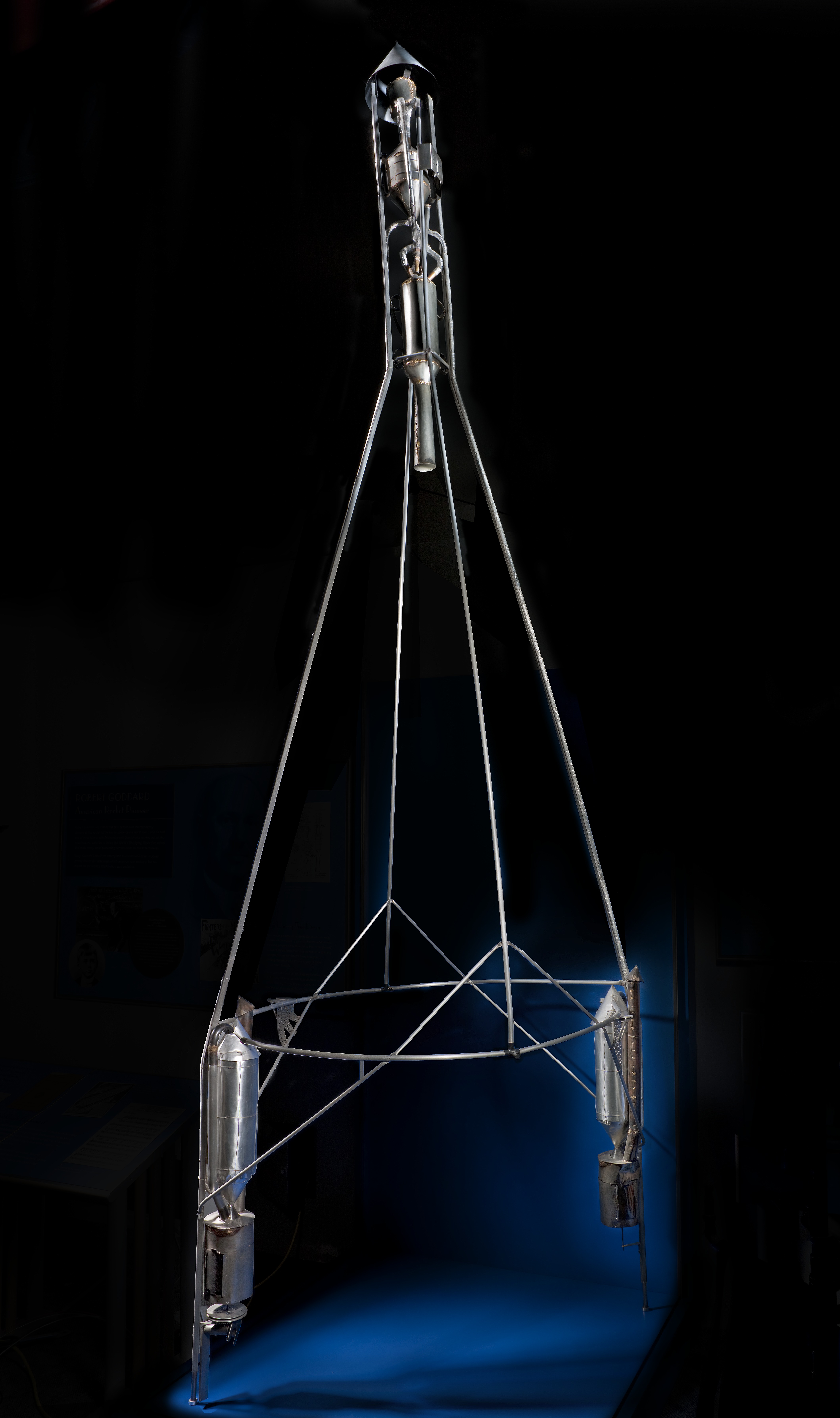
American Rocket Society Test Stand No. 2
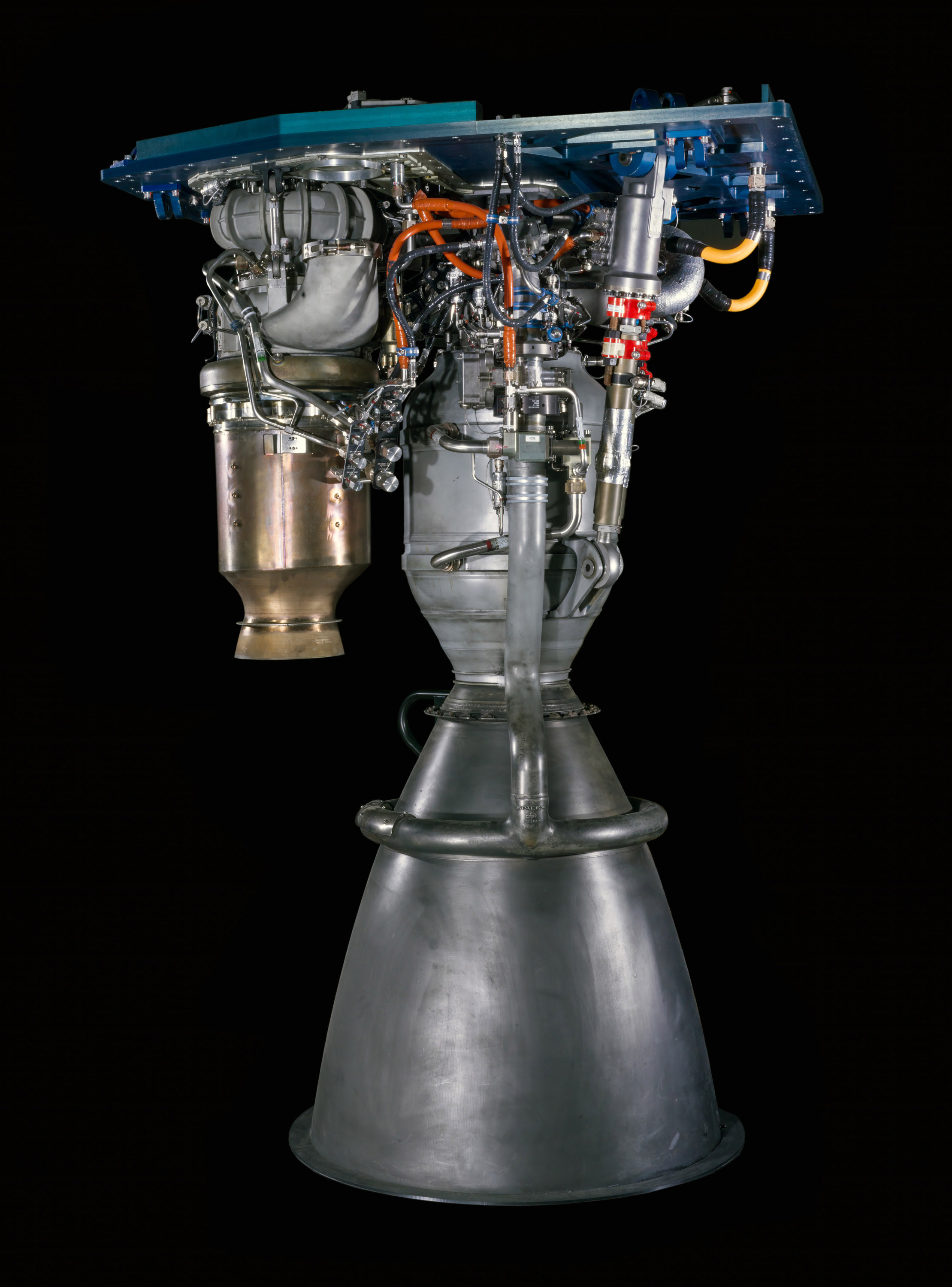
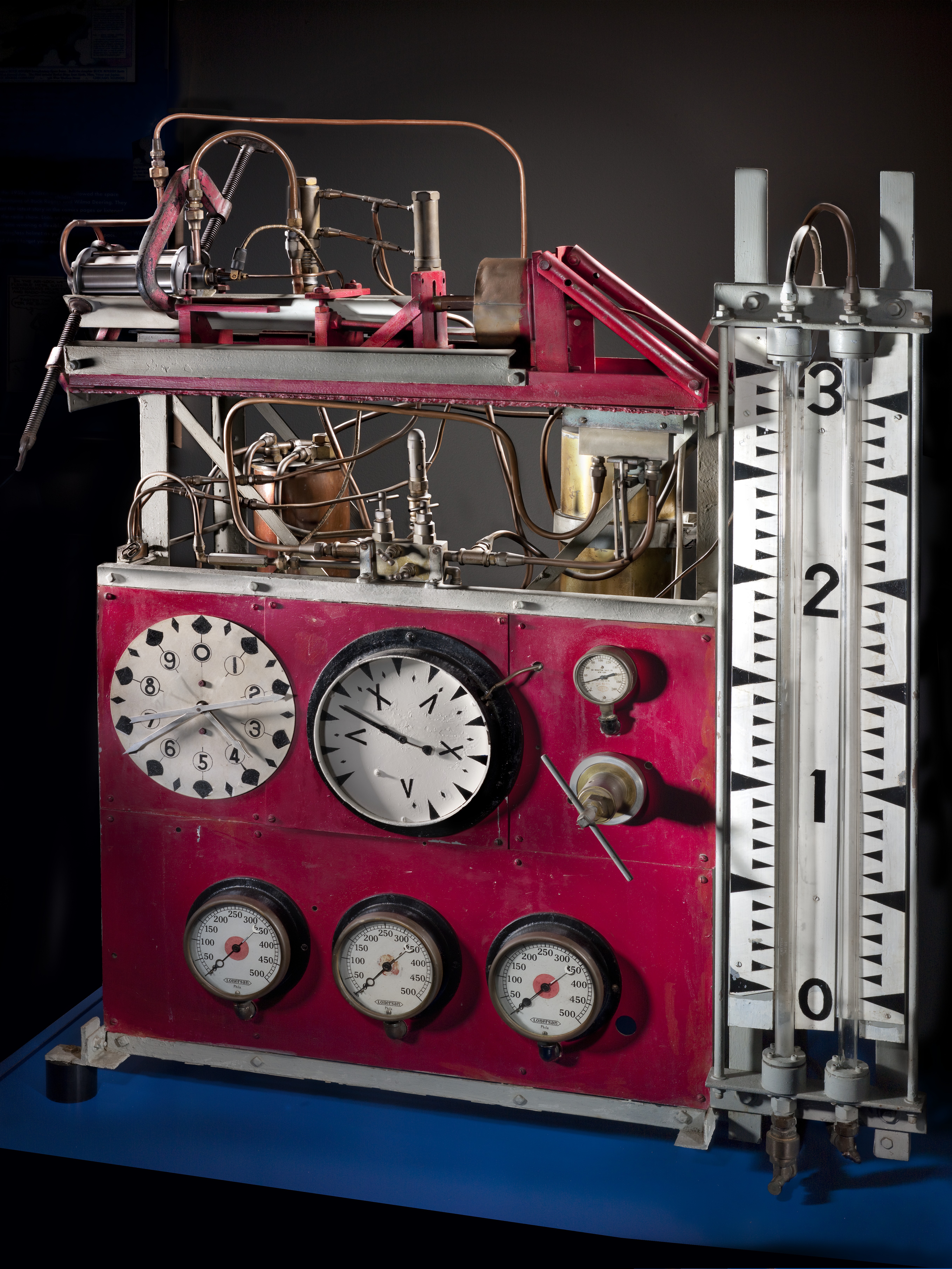
A test stand holds a rocket motor in place so a team can measure thrust, pressure, and fuel behavior. A safe test can reveal problems before an entire vehicle leaves the ground. Test Stand No. 2 allowed the American Rocket Society to isolate propulsion questions. Holding the motor fixed made variables easier to measure and made repeated changes more informative than a single dramatic launch.
In depth
A controlled test turns fire into evidence
Early rocket development advanced when experimenters replaced demonstration with controlled, documented testing. The stand embodies a methodological shift: thrust and feed-system behavior could be measured, compared, and redesigned.
Keeping people alive beyond the atmosphere
A crewed spacecraft carries a small, controlled environment into a place that cannot support unprotected human life. Pressure, temperature, oxygen, carbon dioxide removal, water, electrical power, and waste management all become engineering responsibilities. The flight suit or capsule displayed in a museum is therefore part of a larger life-support system, not simply clothing or a vehicle body.
Early missions established capabilities in stages. Launch and recovery, orbital flight, longer duration, maneuvering, rendezvous, and work outside a spacecraft each introduced different demands. Ground controllers, tracking stations, medical teams, recovery forces, and manufacturers supported the crew. A successful mission depended on that network as much as on the people visible in the cabin.
Artifacts preserve evidence of those demands at a human scale. A small hatch suggests the difficulty of entering or leaving in bulky equipment. A glove makes clear that pressure protection can restrict dexterity. The shape of a returning capsule reveals the importance of managing atmospheric heating and deceleration. Connections to high-altitude aviation are especially strong: pressure suits, research aircraft, and instrumented test flights helped build knowledge that spacecraft designers could use. The history is a sequence of carefully developed capabilities, with extraordinary journeys resting on many ordinary systems that had to keep working together.