National Mall
Space Toys of the 1930s
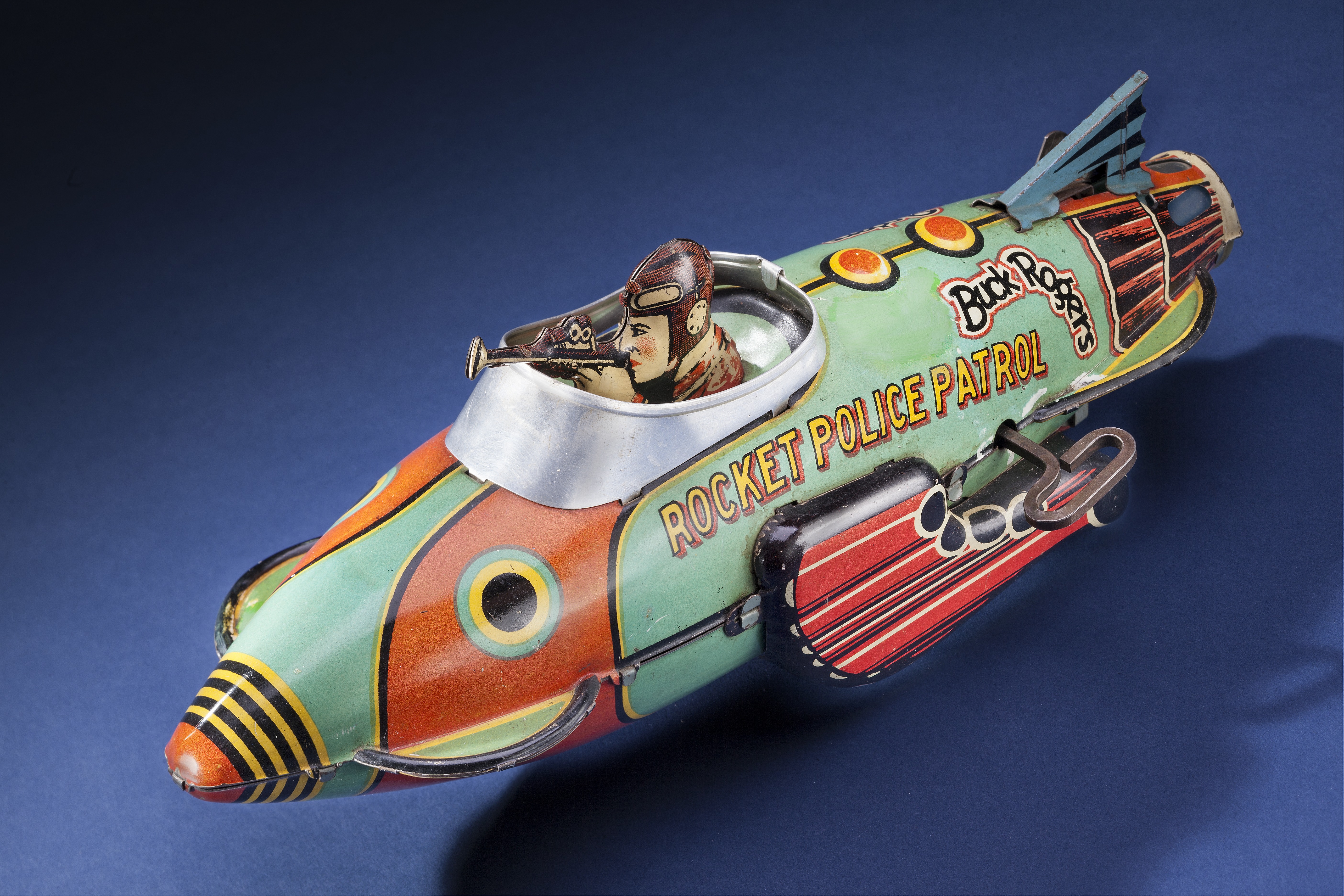
Buck Rogers and Flash Gordon stories filled toy shelves with rockets and ray guns. These toys did not predict spaceflight exactly, but they helped a generation picture travel beyond Earth as something people might attempt.
In depth
Popular culture creates expectations
Space toys translated speculative fiction into objects children could hold, collect, and operate. Their design borrowed from aircraft, artillery, streamlining, and fantasy rather than from flight-tested spacecraft.
These toys document a cultural feedback loop: scientific speculation shaped entertainment, entertainment shaped public expectation, and public enthusiasm influenced support for technical work. They tell us less about space than about 1930s ideas of modernity.
Different routes toward the next capability
New aerospace projects often revive old questions in unfamiliar forms. How much mass can be carried, how much energy is needed, what can be reused, and what happens when something fails? Electric pumps, reusable boosters, small satellites, commercial passenger vehicles, and autonomous systems answer different parts of those questions. Their novelty does not remove the need for testing and careful operations.
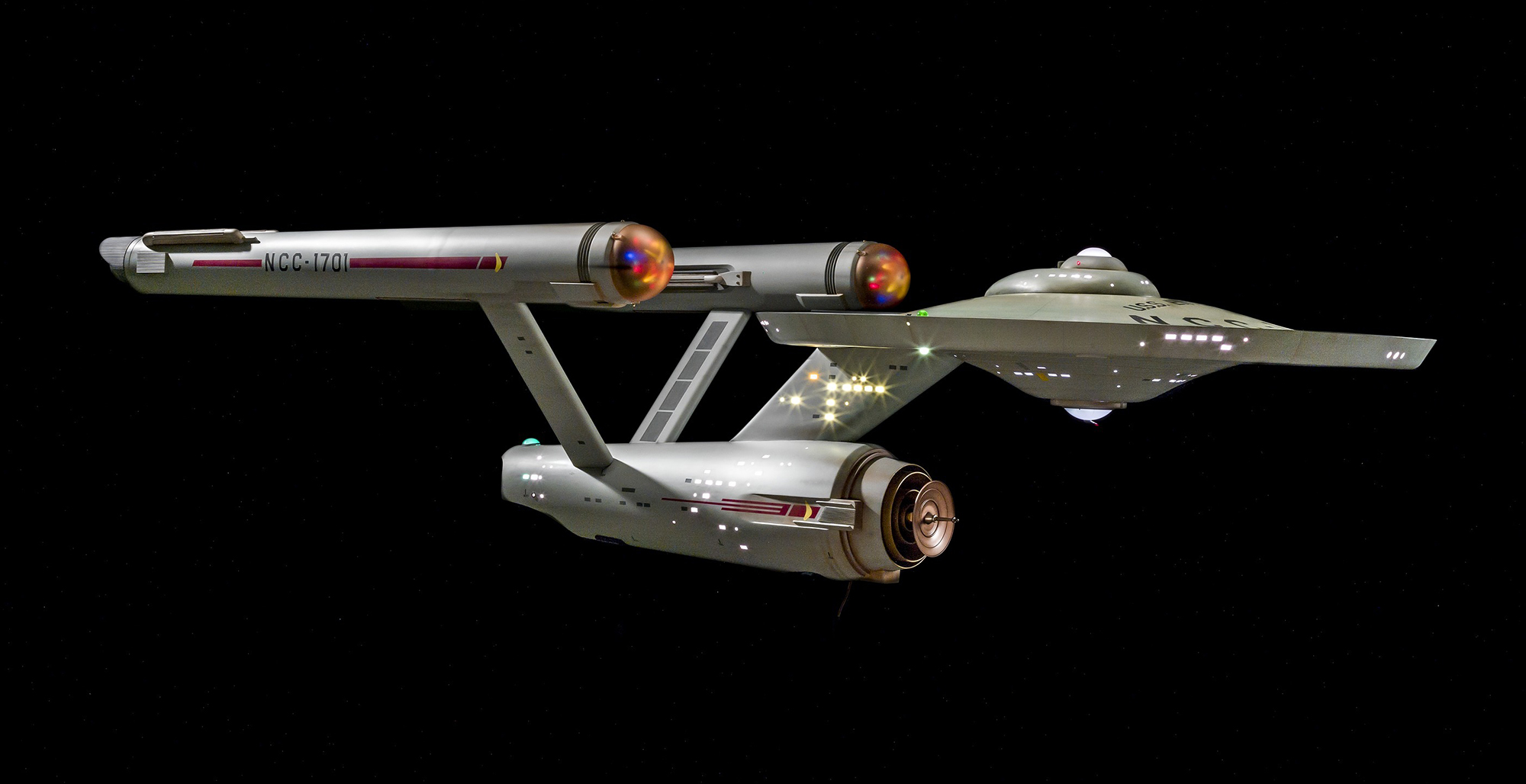
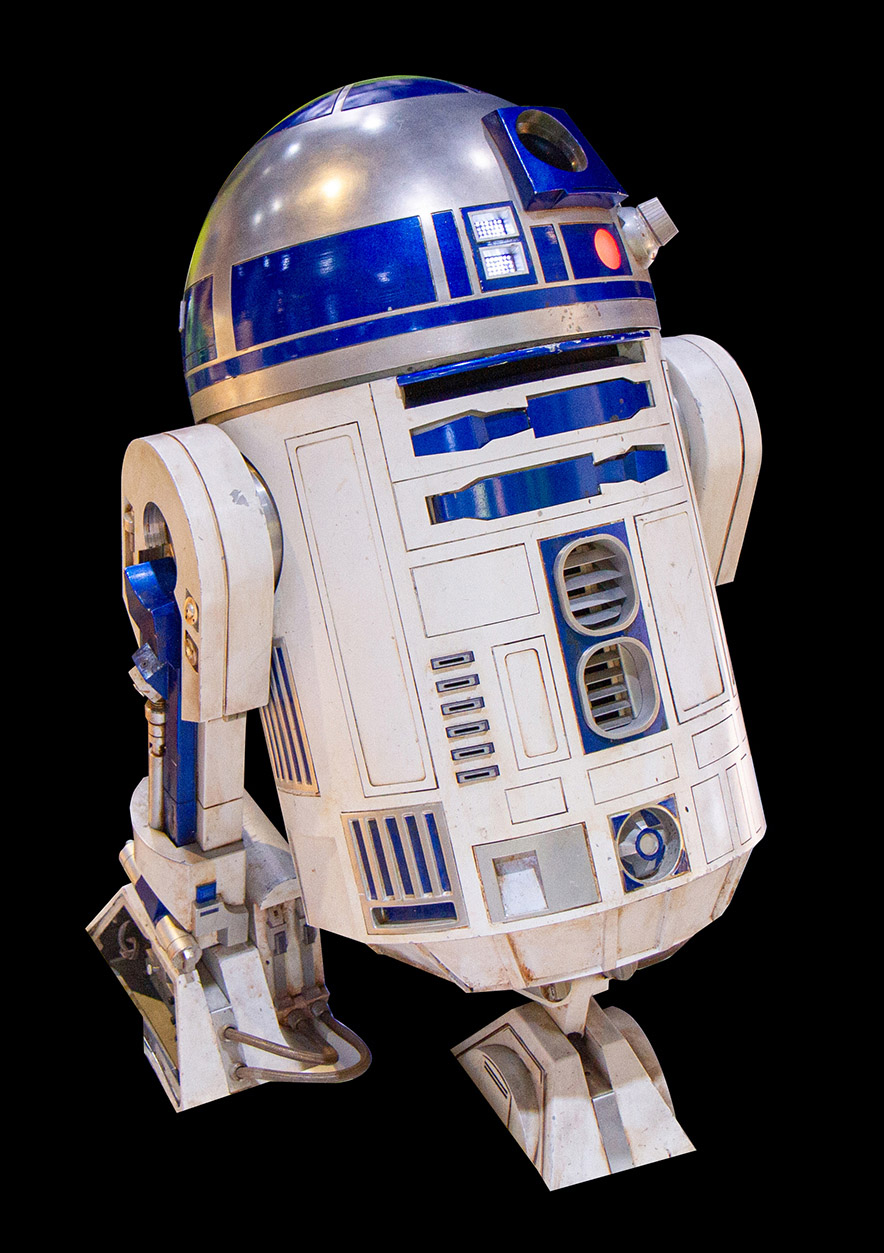
The objects on display capture particular development paths rather than a single agreed future. A component may represent an approach that succeeded in one setting but was unsuitable for another. An artistic image or a fictional robot belongs to a different kind of evidence: it records what people imagined, feared, or hoped technology might become. Keeping those roles clear makes the gallery more interesting, because engineering and imagination influence each other without being interchangeable.
The human stories also broaden the field. Designers, scientists, entrepreneurs, passengers, technicians, and people entering aerospace from new backgrounds contribute different ambitions. Connections to earlier aircraft and spacecraft reveal that many celebrated breakthroughs were assembled from a mixture of new ideas and accumulated practice. The future is not a finished destination waiting at the end of the tour. It is an ongoing set of choices about useful capability, acceptable risk, resources, and who will have the opportunity to take part.