Air Force Museum
Lighter-than-Air-Flight
Balloons carried people into the air more than a century before the airplane. Heated air or low-density gas made them rise; military observers used that height for reconnaissance, while powered dirigibles added the ability to steer.
In depth
Lift before the airplane
Union and Confederate balloon operations during the Civil War and the Army's balloon use in the Spanish-American War show that military air power began with observation from lighter-than-air craft. Their value depended on logistics, gas production, communications, weather, and command cooperation.
History & service
Lighter-than-air flight was the first method used to take to the skies. Air that is less dense (or "lighter") rises. Heating the air inside of an envelope (or balloon) makes the heated air less dense, thereby causing it to rise. Another method is to fill the envelope with low-density (or "light") gas such as hydrogen, which is very flammable, or helium.
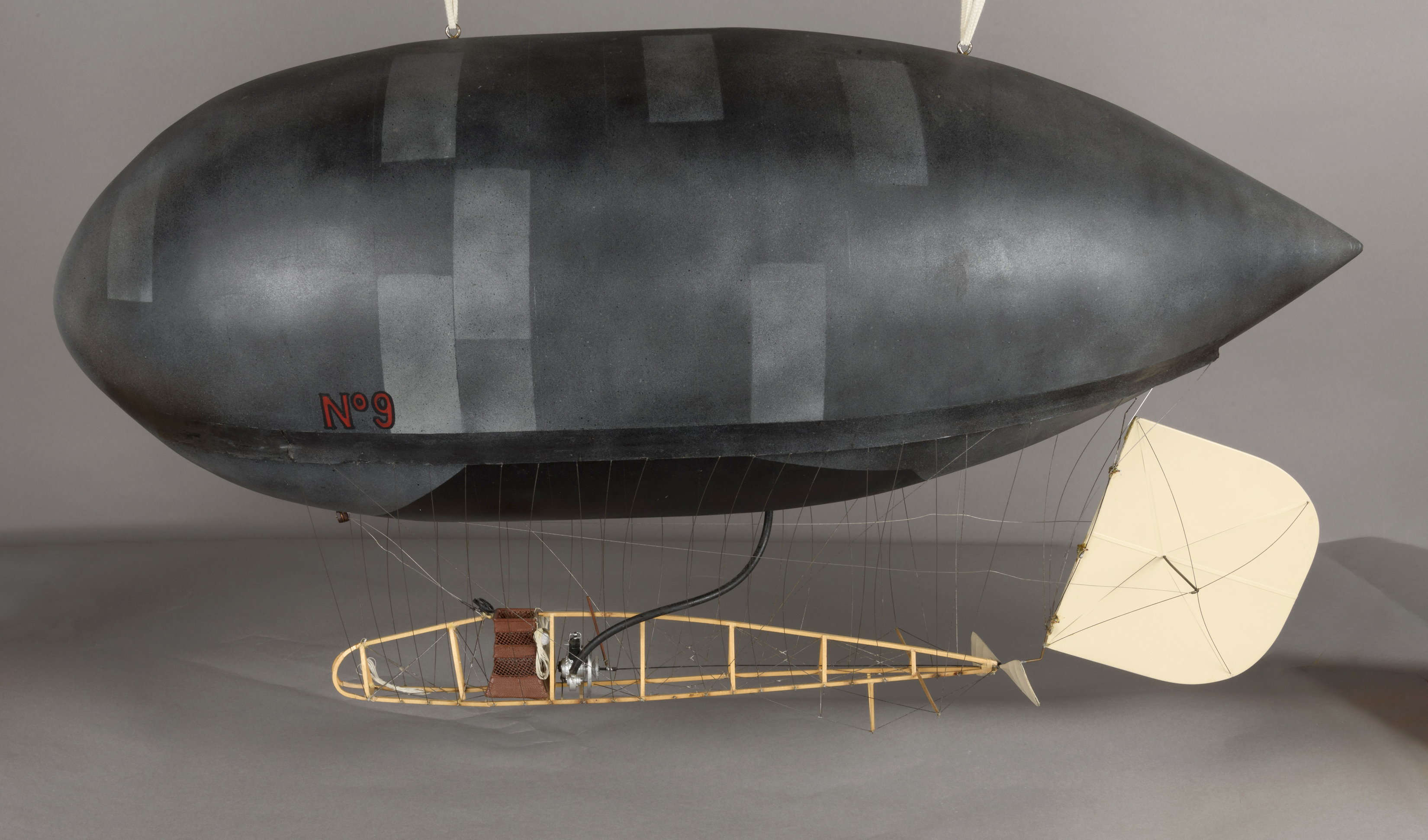
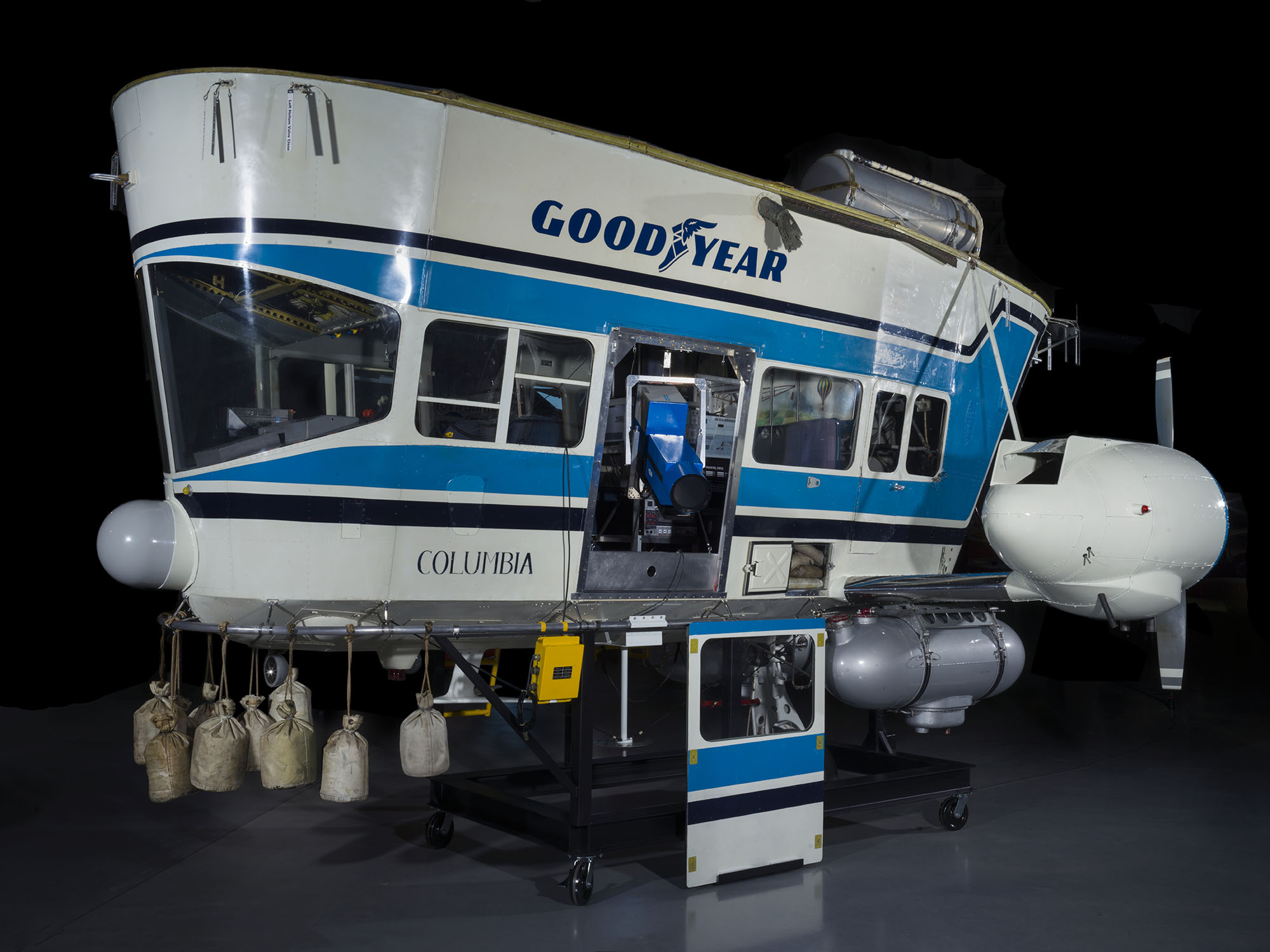
There are two basic types of lighter-than-air vehicles -- balloons and dirigibles. Balloons are either tethered or drift with the wind, and the pilot can only control altitude. Dirigibles, often called airships, are powered, light-than-air vehicles that can be steered.
Balloons became the first air vehicles. The golden age of ballooning that began in the 1780s captured the public's fancy and offered thrills and amusements -- as well as an incentive and a means for further scientific investigation of the principles of flight.
In September 1783, Joseph and Etienne Montgolfier demonstrated a hot air balloon before King Louis XVI and Marie Antoinette. The passengers, a sheep, a duck and a chicken, landed safely a mile-and-a-half away after an 8-minute flight to 1,400 feet, proving life could exist in the "upper air." The next month, Jean Francois Pilatre de Rozier went aloft in a tethered Montgolfier balloon, becoming the first person to fly in a hot air balloon.
About the same time, J.A.C. Charles, a French physicist, experimented with using "inflammable air" -- hydrogen -- as a means of lift. In December 1783, Charles and a companion went aloft in a hydrogren-filled balloon that could fly longer and higher than the Montgolfier brothers' hot air balloon.
Military ballooning in the United States began early in the Civil War. Balloons gave the Union the ability to view enemy troops from the "high ground" during a battle. Best known of the "aeronauts" was Thaddeus S.C. Lowe. He and others made numerous observations using hydrogen-filled balloons during the first two years of the war. At one time the Union Army had seven balloons in service.
Due to the lack of cooperation by the Army, Lowe resigned in May 1863, and all ballooning ceased the following month, thus depriving the Union of a useful military tool.
After the Civil War, the U.S. did not conduct ballooning operations again until 1892, when the U.S. Army established a balloon section within the Signal Corps. When war with Spain broke out in 1898, the Army's "air arm" consisted of one hand-sewn balloon.
Despite incredible difficulties, Lt. Col. Joseph Maxfield succeeded in getting the balloon to Cuba. The balloon made several ascents with different observers, including one in preparation for the famous charge up San Juan Hill. In 1899 the U.S. Army disbanded the balloon detachment and military aeronautics faded until 1907.
Details that tell the story
Balloons provided human flight before airplanes · Buoyancy supplies lift without wings · A free balloon follows the wind · Dirigibles add propulsion and steering
A new invention becomes a public world
Before airplanes became routine transport, public demonstrations helped establish what they could do. Exhibition flights, races, and crossings placed fragile machines before crowds, officials, and potential customers. The audience saw courage and spectacle. Behind the spectacle were less visible questions about reliable engines, controllable wings, suitable landing grounds, and how to recover when the weather changed.
Different configurations competed at the same time. Some designers placed the propeller behind the pilot; others put it at the front. Biplanes used bracing to make light structures sufficiently rigid. Monoplanes reduced some of that external framework but posed their own structural and handling problems. Balloons and dirigibles remained part of the same aviation world, offering capabilities that early airplanes could not simply replace.
The famous firsts matter, but so does the period immediately after them. Flight schools, licensed manufacture, military trials, mechanics, and spare parts carried an invention outward. An aircraft could influence aviation through the pilots trained on it or the designs adapted from it, even after its own performance became outdated. The machines in Washington and Dayton preserve different points along that process. Their differences show how quickly an experimental achievement became an international industry, and how many people had to turn a remarkable flight into a repeatable service.