Air Force Museum
Nieuport 28
The French-built Nieuport 28 became the first fighter flown in combat by squadrons of the American Expeditionary Force. On April 14, 1918, Lieutenants Alan Winslow and Douglas Campbell of the 94th Aero Squadron scored the unit's first victories.
In depth
Entering combat with available aircraft
The lightly built fighter was agile but could shed upper-wing fabric in a steep dive. Pilots learned to work within those limits until SPAD XIIIs became available. The airplane captures the tension between urgent operational need and the imperfect equipment an ally could provide.
History & service
The French-built Nieuport 28 became the first fighter airplane flown in combat by pilots of the American Expeditionary Force (AEF) in World War I. On April 14, 1918, resulted in two victories when Lts. Alan Winslow and Douglas Campbell of the 94th Aero Squadron each downed an enemy aircraft -- the first victories by an AEF unit.
The lightly built Nieuport 28 developed a reputation for shedding its upper wing fabric in a dive, and by the spring of 1918, many considered the Nieuport 28 obsolete. Even so, American pilots maintained a favorable ratio of victories to losses with it. Many American aces of WWI, including 26-victory ace Capt. Eddie Rickenbacker, flew the Nieuport at one time or another in their careers. The less maneuverable, but faster and sturdier, SPAD XIII began replacing the Nieuport 28 in March 1918.
Details that tell the story
First AEF fighter type to enter combat · First unit victories came April 14, 1918 · Light and maneuverable · Upper-wing fabric separation was a known diving hazard
Performance was only part of the contest
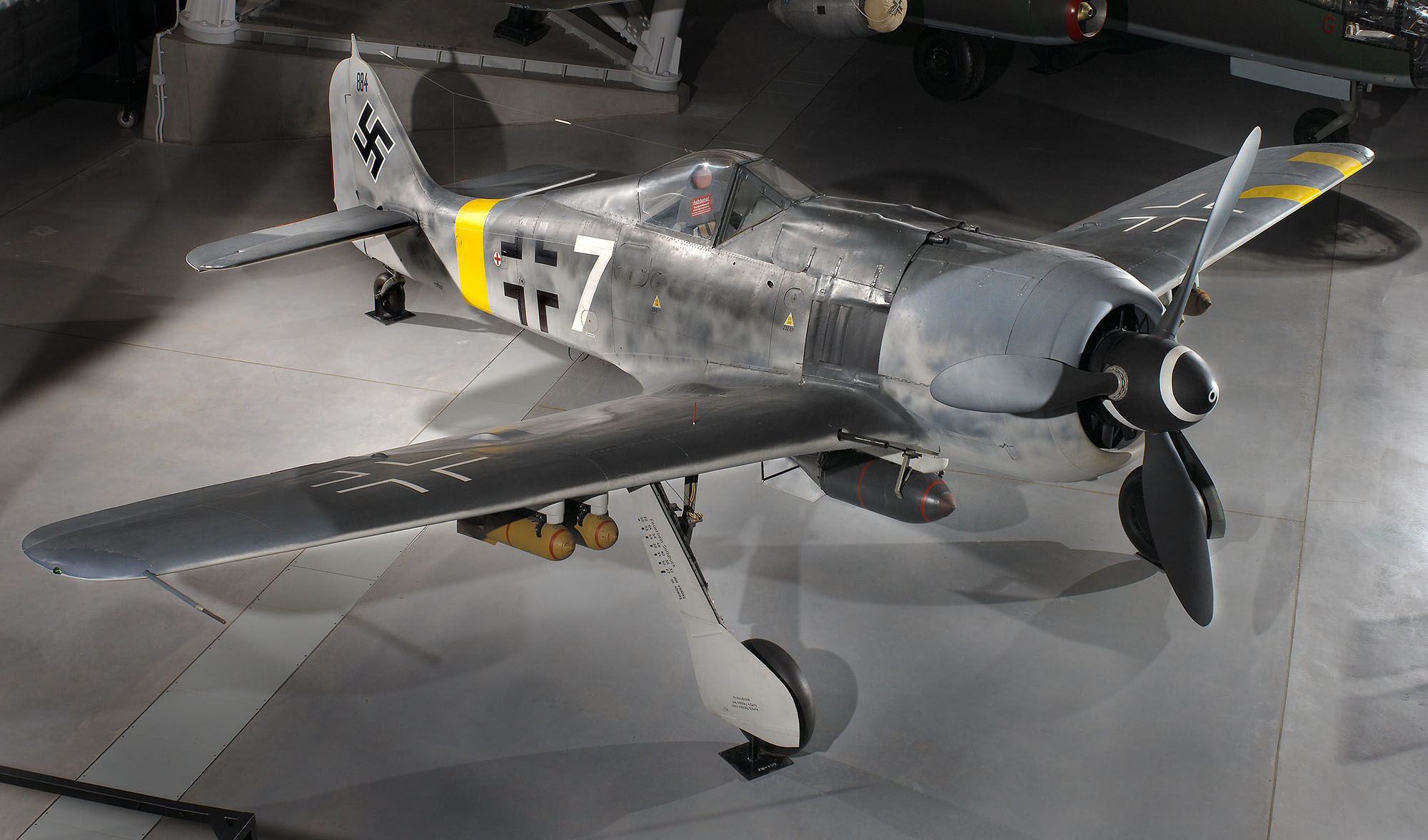
A fighter's speed, climb, range, visibility, and armament shaped what it could do, but those qualities did not act alone. Training, tactics, warning systems, maintenance, fuel, and the condition of the airfield influenced every encounter. The aircraft that looks best in a table might be at a disadvantage at the wrong altitude, carrying the wrong load, or arriving with too little fuel to remain in the fight.
Escort missions demonstrate the importance of purpose. A fighter defending bombers had responsibilities beyond pursuing an opponent. It needed sufficient range, a useful position, and the discipline to remain with the force it protected. Ground attack imposed different demands, including visibility, endurance near the target, and the ability to survive damage from below.
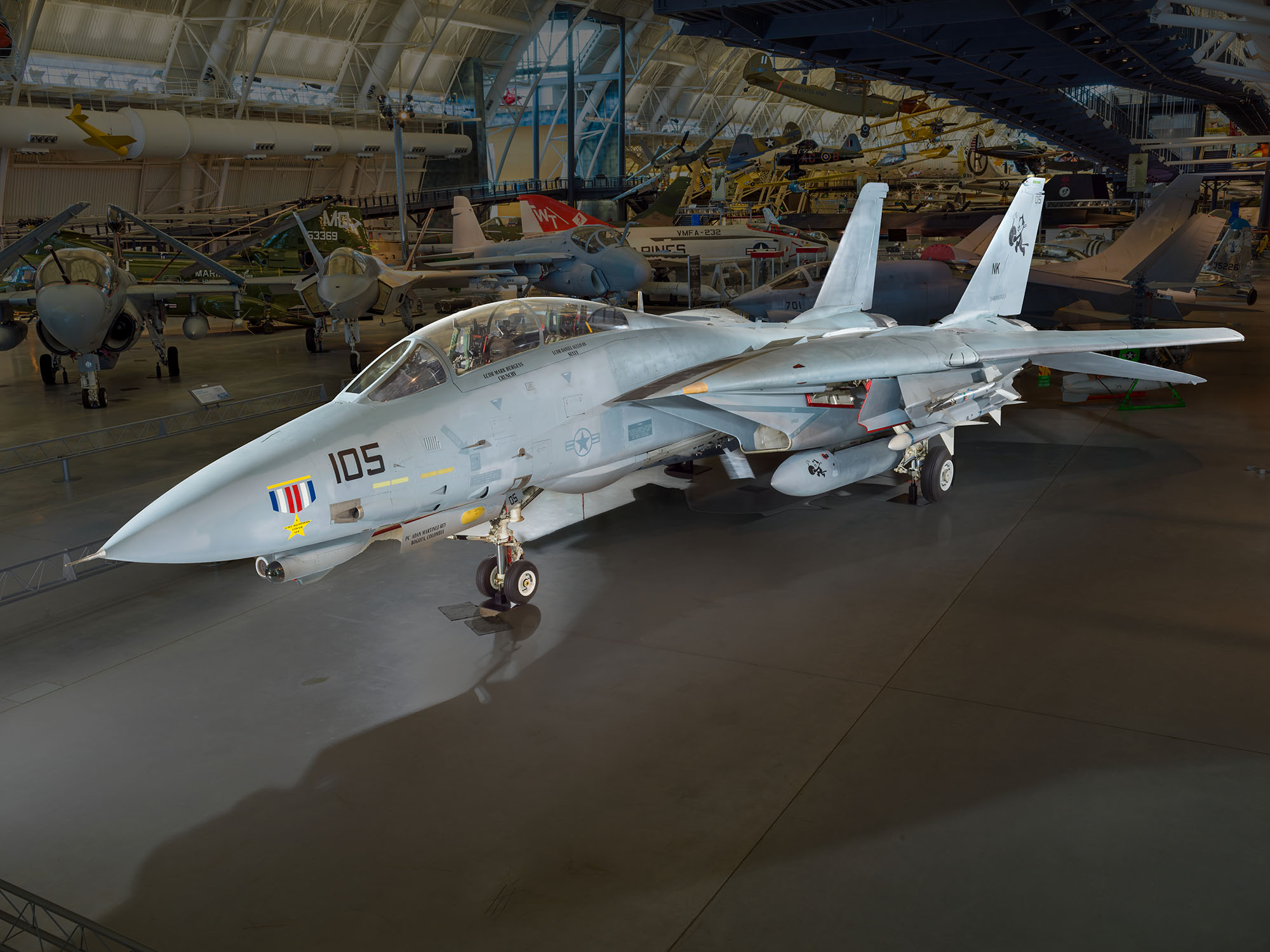
Comparing aircraft across museums is most rewarding when the mission remains in view. An early pursuit biplane, a wartime piston fighter, and a Cold War jet represent different technologies, but all were part of a larger operational system. Personal accounts reveal how pilots worked within those limits. They also show why claims of individual success need context: weather, surprise, teamwork, and opportunities created by others shaped the outcome. The aircraft provides the physical evidence; the surrounding stories explain how people used it and what that use cost.