Air Force Museum
Fairchild PT-19A Cornell
The Fairchild PT-19 family introduced students to a low-wing monoplane before they advanced to more powerful trainers. Its straightforward systems and open tandem cockpits helped instructors observe students while giving beginners a modern aircraft layout.
In depth
Scaling pilot education
Multiple American and Canadian manufacturers built Cornells for the United States and allied nations. Standard drawings and distributed production made the trainer part of an enormous educational system rather than the product of a single factory.
History & service
Fairchild developed the PT-19 in 1938 to satisfy a military requirement for a rugged monoplane primary trainer, and it went into quantity production in 1940. In addition to those manufactured by Fairchild, the Aeronca, Howard and St. Louis Aircraft Corps. produced Cornells. Fleet Aircraft Ltd. produced them in Canada.
From the basic PT-19, Fairchild produced two more aircraft: the Continental radial engine powered PT-23 and the PT-26 with an enclosed cockpit. Altogether the U.S. Army Air Forces accepted 7,742 Cornells, of which 4,889 were PT-19s. Additional Cornells went to Canada, Norway, Brazil, Ecuador and Chile.
Details that tell the story
Low-wing two-seat primary trainer · Entered quantity production in 1940 · Built by several manufacturers · Served U.S. and allied training programs
The aircraft in figures
Engine: Ranger L-440 of 175 hp · Maximum speed: 124 mph · Cruising speed: 106 mph · Range: 480 miles · Ceiling: 16,000 ft. · Span: 35 ft. 11 3/16 in. · Length: 27 ft. 8 3/8 in. · Height: 7 ft. 9 in. · Weight: 2,450 lbs. loaded
Aviation close to everyday life
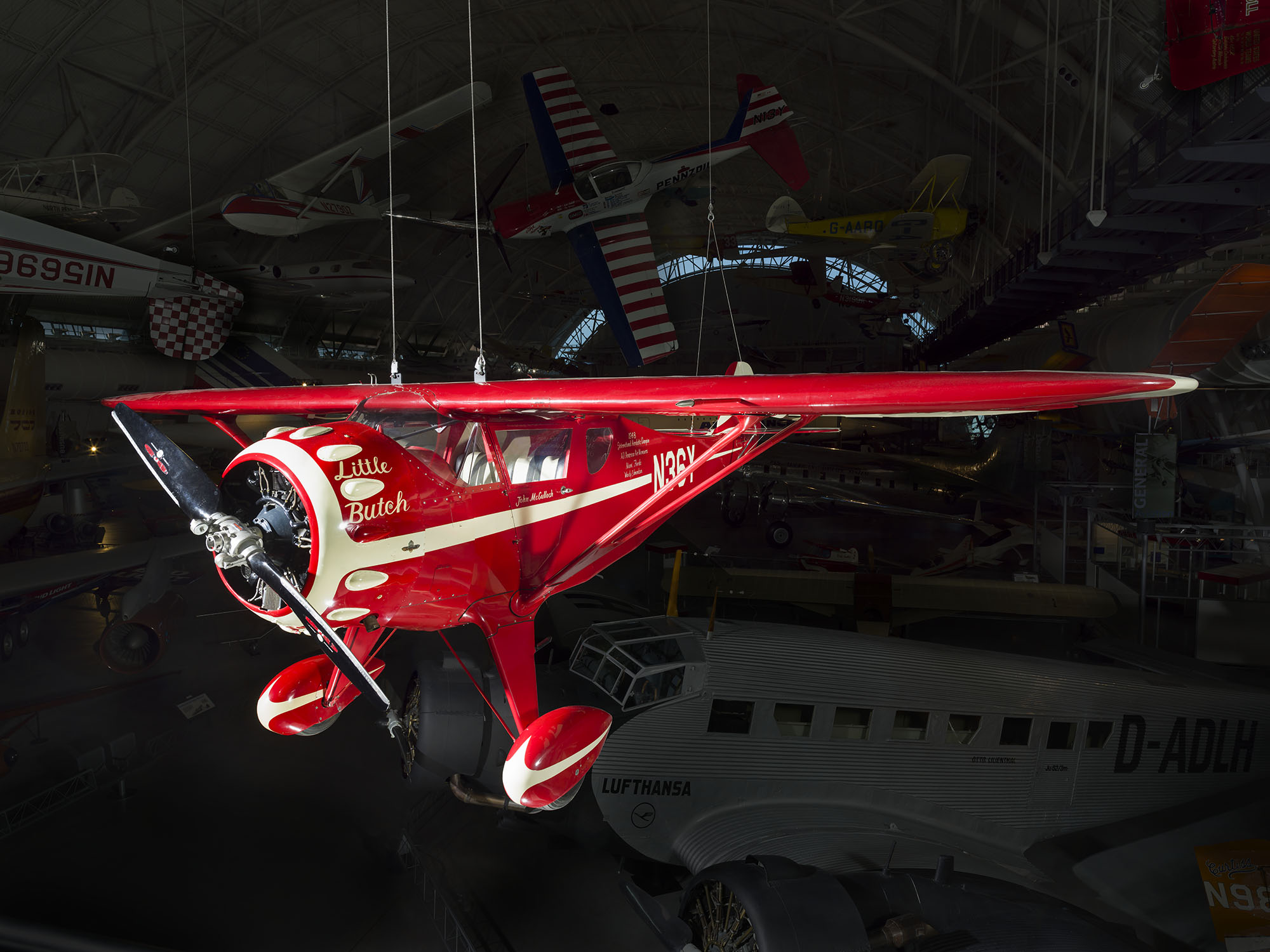
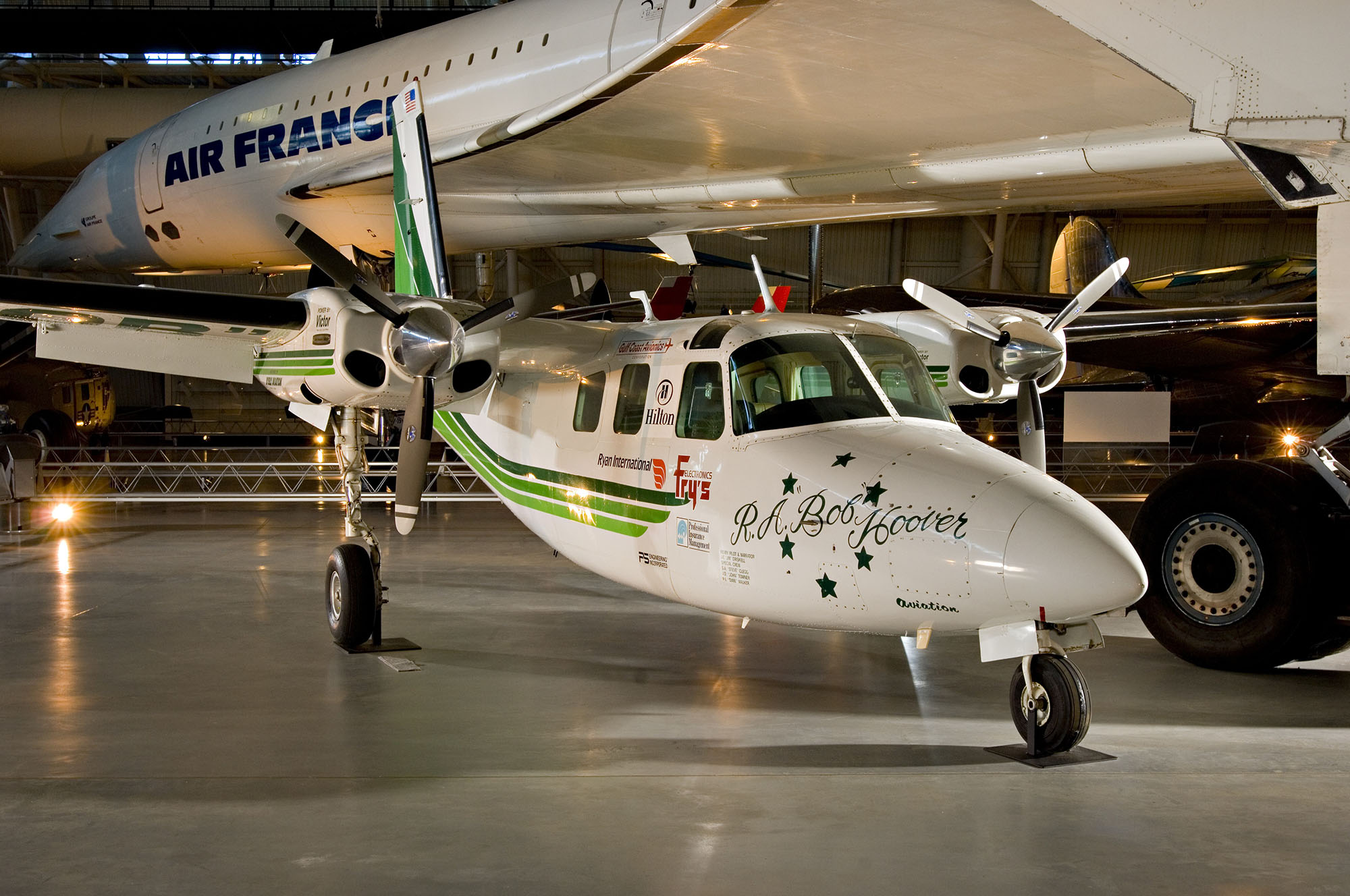
Most flying does not take place in a large scheduled airliner. General aviation includes personal travel, instruction, business transport, surveying, agricultural work, medical missions, and many other uses. These activities share airspace, but their aircraft can be very different. A short rough landing strip, a modest operating budget, or a specialized payload may be more important than high speed.
Small aircraft make the relationship between pilot and machine especially visible. Weight, balance, weather, and fuel planning have immediate consequences. Straightforward designs can be useful precisely because they are manageable to maintain and operate. More elaborate equipment can expand capability, but it also adds cost, training requirements, and new systems to understand.
The personal artifacts in this gallery widen the story beyond aircraft specifications. Clothing, equipment, and accounts of individual flights reveal ambition, work, ingenuity, and the barriers people encountered. The same airplane might be a livelihood for one person, an instrument of public service for another, and a route into a lifelong enthusiasm for a third. Connections to military liaison aircraft, air-rescue machines, and commercial transports show how ideas move across categories. Aviation's importance lies as much in useful daily service as in the famous firsts that attract headlines.