Air Force Museum
Aces of Two Wars
Many American pilots with World War II experience fought in Korea. Francis Gabreski, Vermont Garrison and Harrison Thyng were three of the six USAF Korean War aces who were also WWII aces. (The others were Majs. George Davis Jr., James Hagerstrom and William Whisner.)
In depth
History & service
Francis "Gabby" Gabreski was the top American ace in air-to-air victories over Europe during WWII with 28 officially credited kills. While strafing a German airfield in July 1944, the propeller on his P-47 struck the ground, and Gabreski crash-landed. He was captured and sent to Stalag Luft I near Barth, Germany, where he spent the remainder of the war. Returning to combat during the Korean War, he commanded the 51st Fighter-Interceptor Wing and scored an additional 6.5 victories. Gabreski retired from the USAF as a colonel in October 1967.
Vermont Garrison originally flew Spitfires and Hurricanes in the Royal Air Force prior to transferring to the U.S. Army Air Forces in 1943. He was credited with 7.33 victories before being shot down and captured by the Germans. Garrison, like Gabreski, spent the rest of the war as a POW at Stalag Luft I. He went to Korea in November 1952, and while flying F-86s, he shot down 10 MiG-15s. He retired from the USAF as a colonel in March 1973.
Harrison Thyng achieved five kills in the Mediterranean Theater during WWII. Assigned to Korea in November 1951, he commanded the 4th Fighter-Interceptor Wing and shot down five Soviet-built MiG-15s. He retired from the USAF as a brigadier general in April 1966.
Performance was only part of the contest
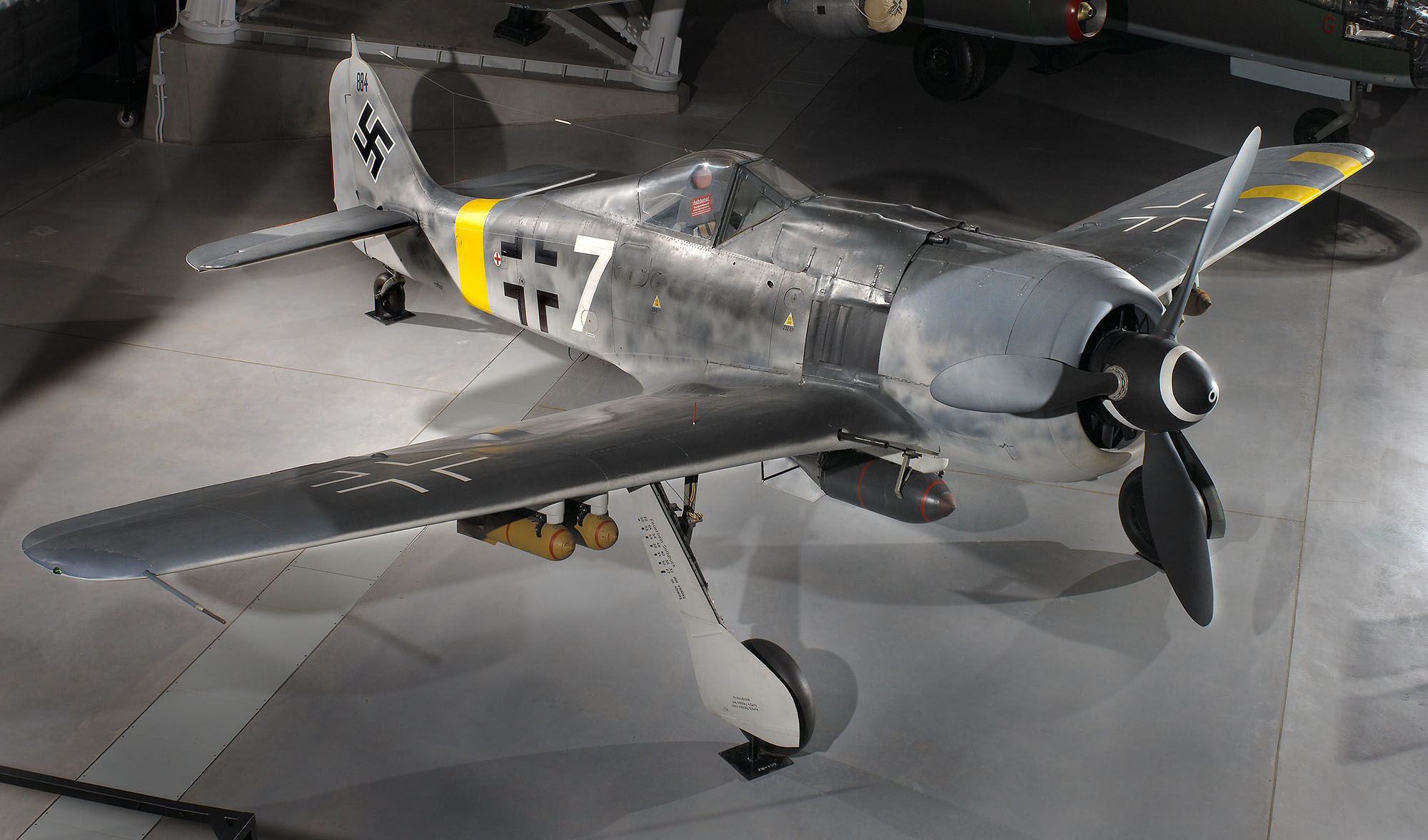
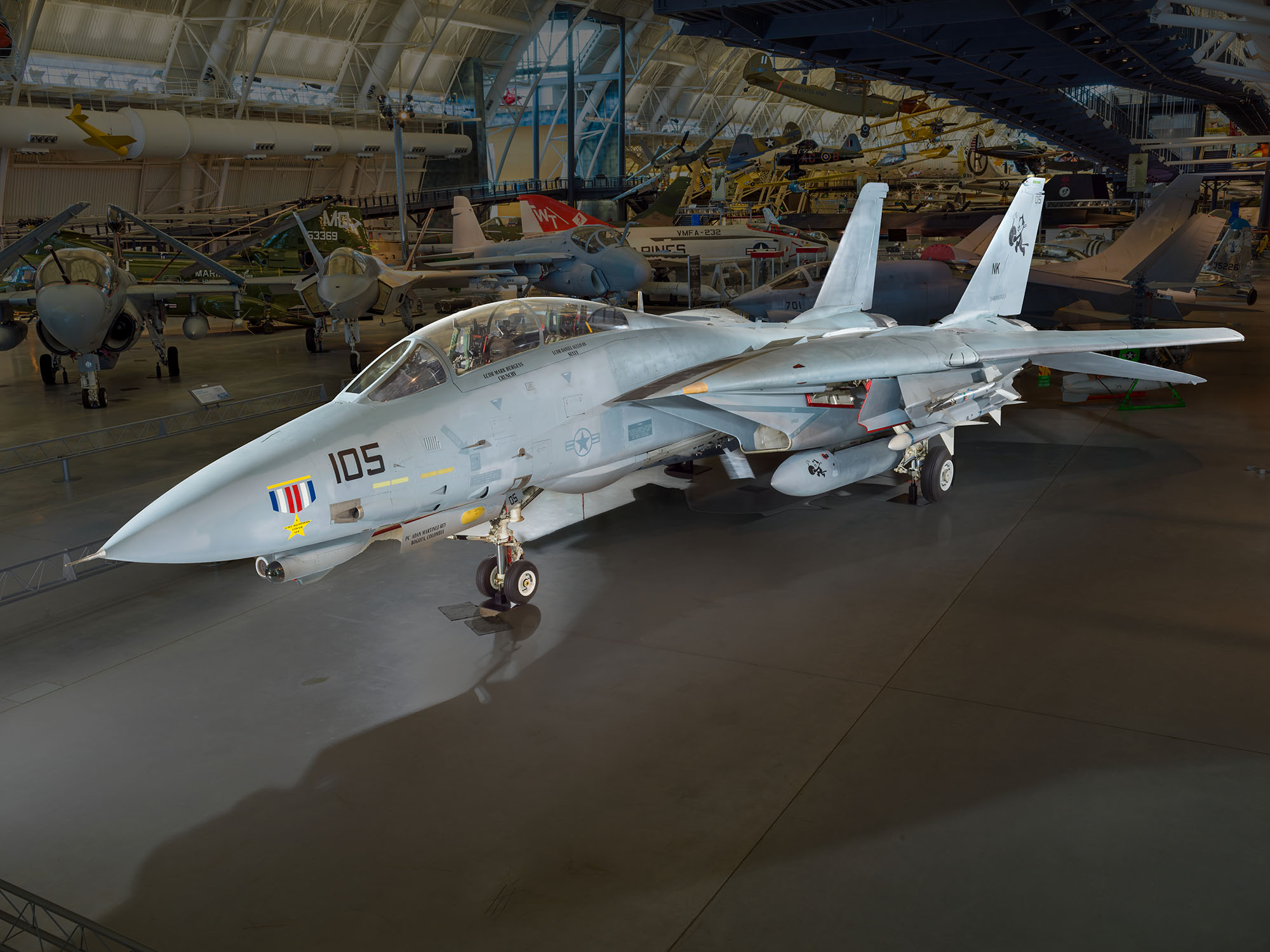
A fighter's speed, climb, range, visibility, and armament shaped what it could do, but those qualities did not act alone. Training, tactics, warning systems, maintenance, fuel, and the condition of the airfield influenced every encounter. The aircraft that looks best in a table might be at a disadvantage at the wrong altitude, carrying the wrong load, or arriving with too little fuel to remain in the fight.
Escort missions demonstrate the importance of purpose. A fighter defending bombers had responsibilities beyond pursuing an opponent. It needed sufficient range, a useful position, and the discipline to remain with the force it protected. Ground attack imposed different demands, including visibility, endurance near the target, and the ability to survive damage from below.
Comparing aircraft across museums is most rewarding when the mission remains in view. An early pursuit biplane, a wartime piston fighter, and a Cold War jet represent different technologies, but all were part of a larger operational system. Personal accounts reveal how pilots worked within those limits. They also show why claims of individual success need context: weather, surprise, teamwork, and opportunities created by others shaped the outcome. The aircraft provides the physical evidence; the surrounding stories explain how people used it and what that use cost.