Air Force Museum
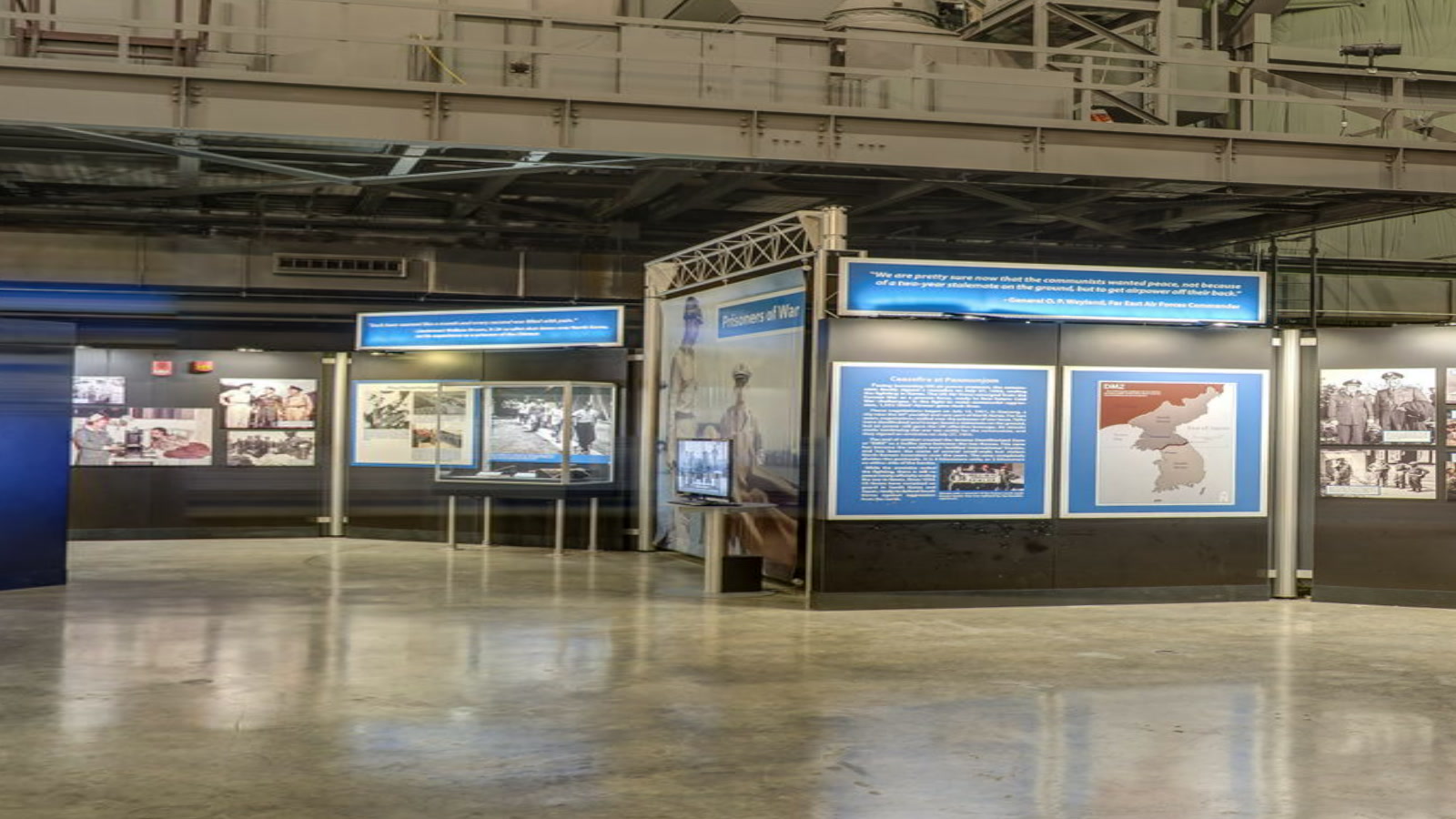
Prisoners of War
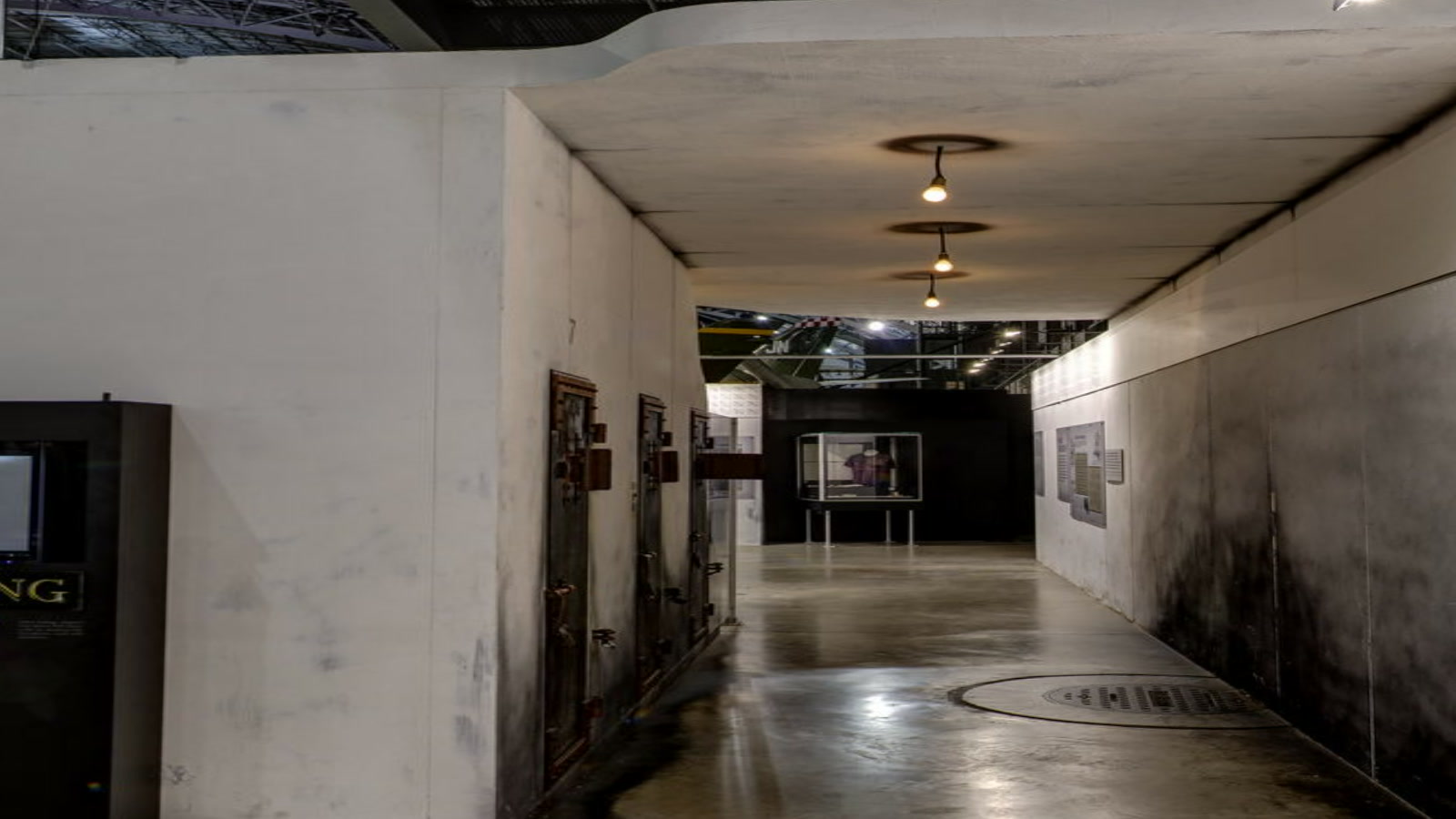
American prisoners held in North Vietnam developed systems of communication, organization, resistance, and mutual support under severe coercion. Captured aircrews faced interrogation, isolation, poor medical care, torture, and efforts to use them for propaganda. Prisoners improvised tap codes and chains of command to communicate and sustain one another.
In depth
The story behind the display
Release during Operation Homecoming in 1973 did not end the physical, psychological, and family consequences of captivity. Testimony, artifacts, medical records, and later memory all contribute to the historical record.
History & service
Air Force prisoners of war held by communist forces endured horrible conditions during their imprisonment. In the face of constant brutality, American Airmen held prisoner during the Korean War acted with great courage.
The majority of the 235 airmen captured during the Korean War were held in solitary confinement for a large part of their captivity. Prisoners suffered from bitter cold and inadequate food, clothing, and medical care. Airmen, especially pilots, were considered potential sources of intelligence and were subjected to frequent psychological and physical torture.
Debate over how to return prisoners of war on both sides began with the start of armistice talks in late 1951. The UN demanded that no prisoner be returned to communist control against his will. The communists immediately refused. When the UN revealed that more than half of the UN-held POWs did not want to return, tensions increased.
The communists tried to sway world opinion against the UN by forcing "confessions" of atrocities against North Korea from American POWs. They also provoked riots inside UN-run POW camps to cause worldwide outcry against UN treatment of "helpless" communist prisoners.
The communist stance concerning POWs changed abruptly with the death of Josef Stalin in March 1953. Weary of fighting, both sides soon agreed to exchange sick and wounded prisoners. Between April 20 and May 3, 1953, Operation Little Switch exchanged a total of 6,670 Chinese and North Korean prisoners and 669 UN personnel. The main prisoner exchange took place after the armistice was signed three months later.
Operation Big Switch returned 75,823 POWs to the communists and 12,773 prisoners to the UN, including 3,598 Americans. By Feb. 1, 1954, all former prisoners choosing not to return to communist rule were released as free civilians.
The hat, shirt, and pants were worn by A2C Eugene Evers while he was a prisoner of war for more than a year. Evers was a reconnaissance camera repairman stationed in Japan. To check out a camera that had been malfunctioning in flight, he went on a mission with an RB-29 flight crew of the 91st Strategic Reconnaissance Squadron in July 1952.
The plane was shot down northwest of Pyongyang, North Korea, and Evers was taken prisoner. His captors did not believe that Evers--an extra man in a crew of twelve--was a repairman, and beat him severely. He was kept in solitary confinement in a hole outside a house, and eventually taken into China for interrogation and tried as a "war criminal." Evers was not released until September 1953.
He was given a single uniform that he wore for over a year, then given the new clothing on display and a shower right before his release. This uniform was only worn briefly, for one or two days.
Details that tell the story
Many Air Force prisoners were captured after aircraft losses over North Vietnam · Prisoners improvised coded communication · Organized resistance helped sustain group discipline · Operation Homecoming returned American prisoners in 1973
Readiness became a permanent condition
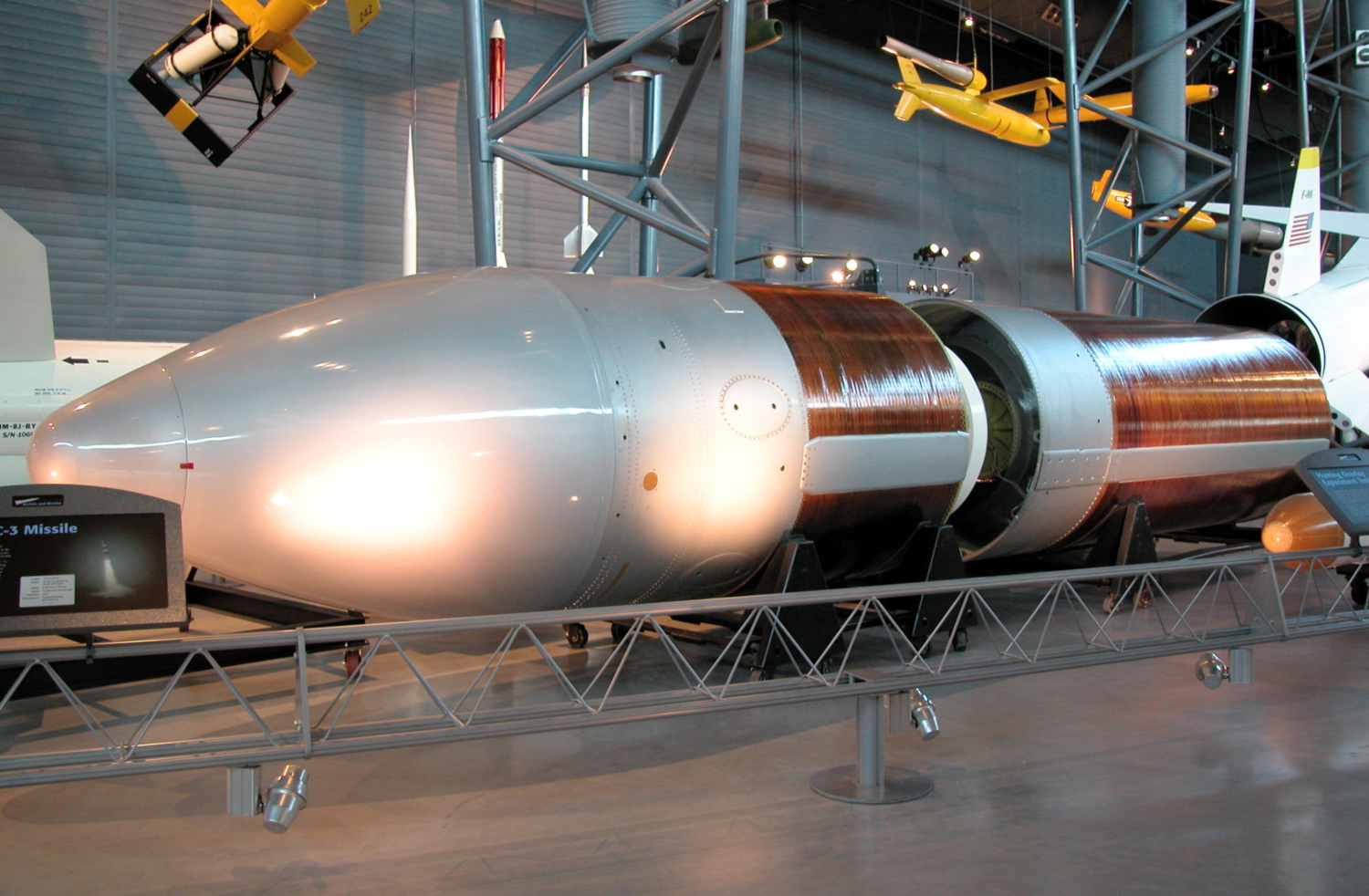
During the Cold War, aviation was organized around the possibility of a conflict that governments hoped to prevent. Bombers, missiles, interceptors, reconnaissance aircraft, warning networks, and tankers became parts of interdependent systems. Their value was judged not only by what they could do in flight, but by how reliably they could be maintained, alerted, launched, supported, and controlled.
This emphasis produced striking aircraft and difficult tradeoffs. Long range demanded fuel and support. High speed increased heat and mechanical stress. Sophisticated electronics offered new capabilities but created new maintenance requirements. A reconnaissance aircraft needed an effective camera and a workable route as well as altitude or speed. An interceptor depended on warning and guidance before its pilot could make an engagement.
The human experience included long periods of training and routine punctuated by crises. Crews and ground personnel practiced procedures whose purpose was to remain credible without being used in war. At the same time, military aviation carried out reconnaissance, transport, rescue, humanitarian missions, and conventional operations around the world. Linking these aircraft with civil airliners, research machines, and spacecraft reveals a history of shared technologies and different purposes. The machines embody technical accomplishment, but also the enormous resources and sustained human effort required to keep a global force ready.