National Mall
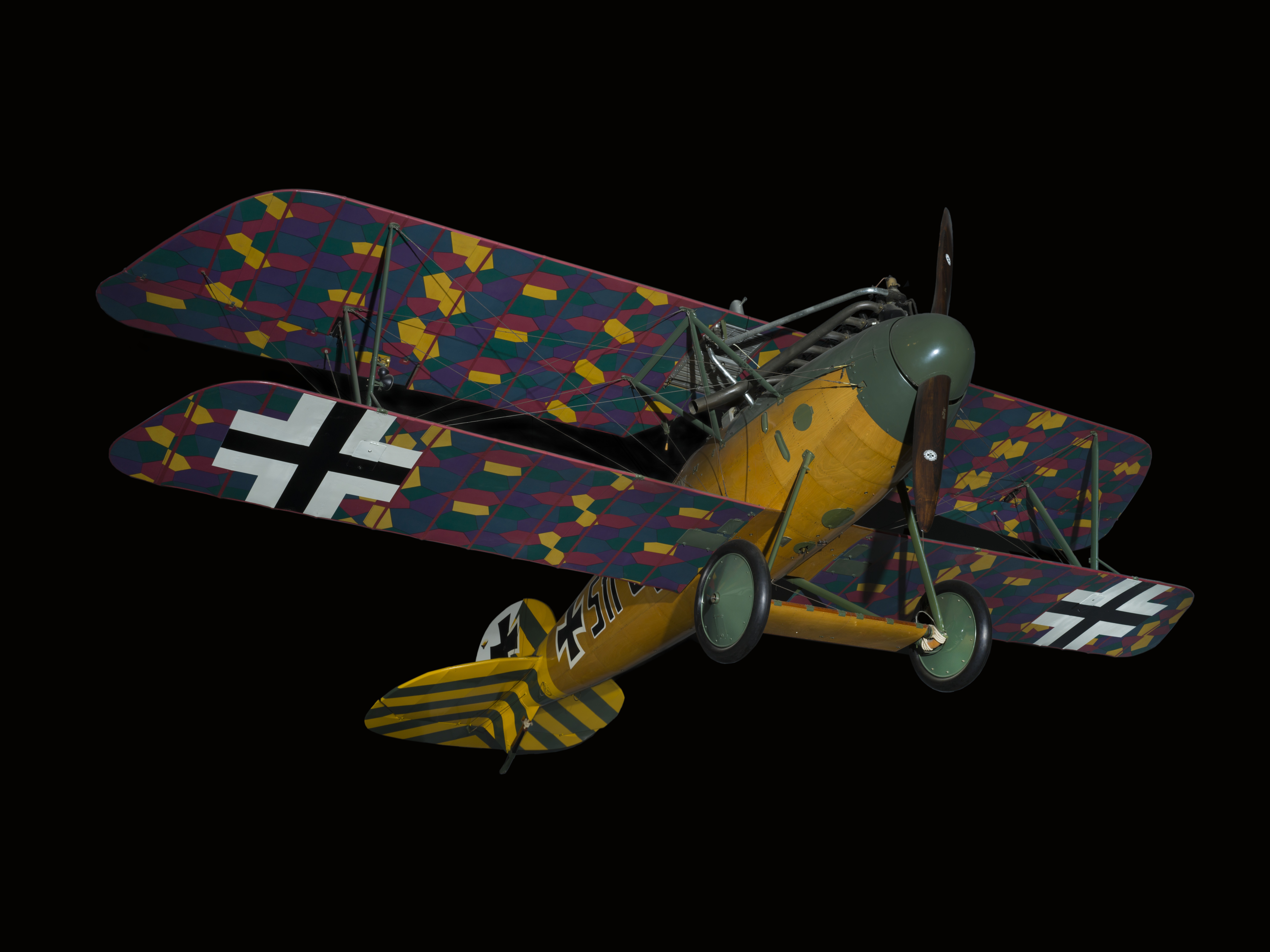
Albatros D.Va
Albatros fighters used a streamlined semi-monocoque fuselage and enclosed inline engine. Their narrow lower wings improved the layout but could fail in long dives. The sesquiplane arrangement reduced the lower wing chord, but loads during dives could exceed its strength. Performance, weight, manufacturing, and pilot limits had to be balanced.
In depth
Aerodynamic improvement exposed a structural weakness
Thousands of Albatros fighters served even as lower-wing concerns persisted. Wartime need, available alternatives, field modification, pilot procedure, and production momentum shaped continued use.
Performance was only part of the contest
A fighter's speed, climb, range, visibility, and armament shaped what it could do, but those qualities did not act alone. Training, tactics, warning systems, maintenance, fuel, and the condition of the airfield influenced every encounter. The aircraft that looks best in a table might be at a disadvantage at the wrong altitude, carrying the wrong load, or arriving with too little fuel to remain in the fight.
Escort missions demonstrate the importance of purpose. A fighter defending bombers had responsibilities beyond pursuing an opponent. It needed sufficient range, a useful position, and the discipline to remain with the force it protected. Ground attack imposed different demands, including visibility, endurance near the target, and the ability to survive damage from below.
Comparing aircraft across museums is most rewarding when the mission remains in view. An early pursuit biplane, a wartime piston fighter, and a Cold War jet represent different technologies, but all were part of a larger operational system. Personal accounts reveal how pilots worked within those limits. They also show why claims of individual success need context: weather, surprise, teamwork, and opportunities created by others shaped the outcome. The aircraft provides the physical evidence; the surrounding stories explain how people used it and what that use cost.