Air Force Museum
Solomon Islands
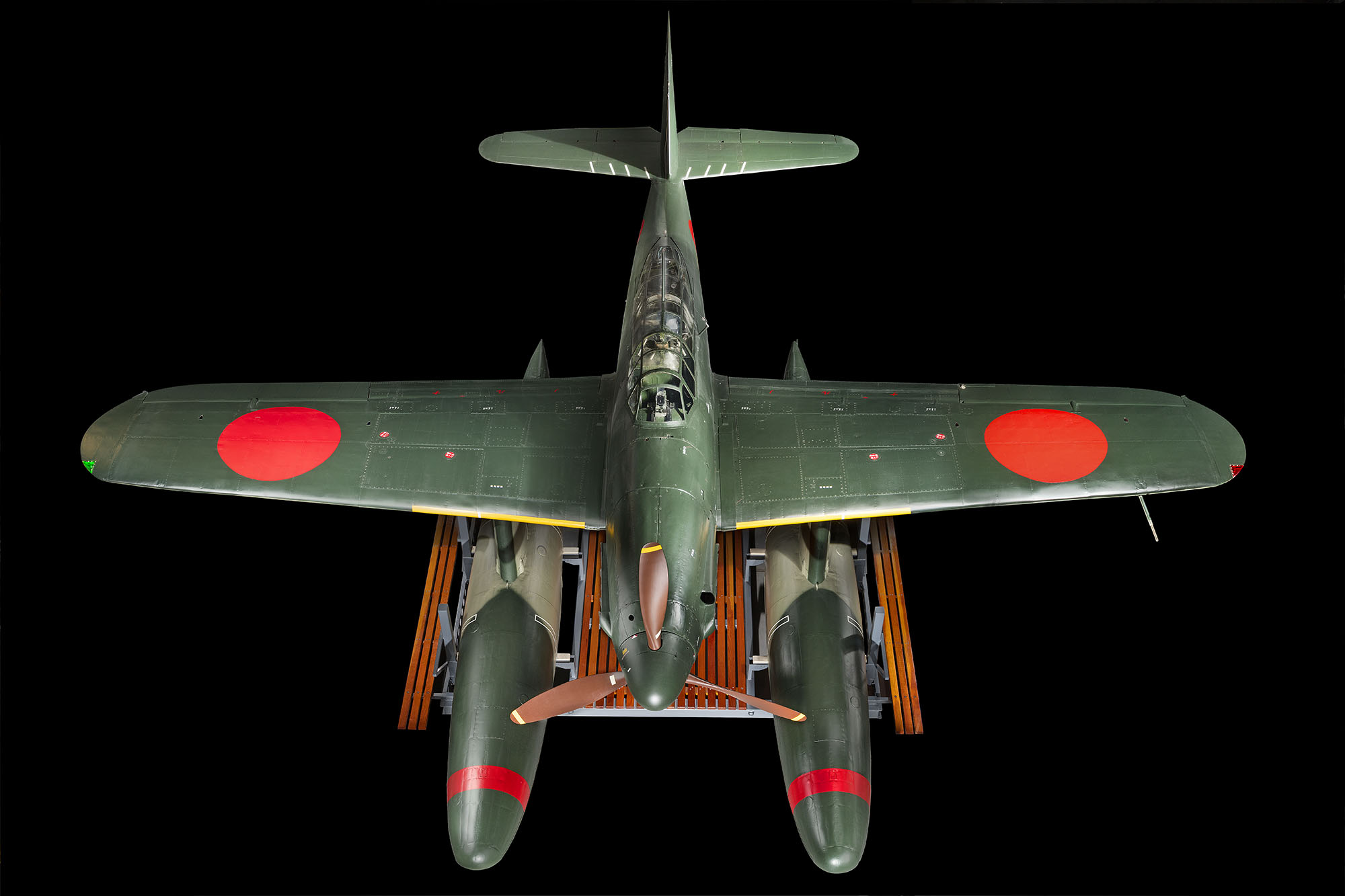
The Allied defensive line in the Pacific was threatened at another point in the summer of 1942. The Japanese had moved into the lower Solomon Islands and were rushing to complete an airfield on Guadalcanal from which they could threaten the lifeline between Hawaii and Australia. On Aug. 7, 1942, preceded by AAF B-17 reconnaissance and bombing missions, U.S. Marines made a surprise landing on the island.
In depth
History & service
The Allied defensive line in the Pacific was threatened at another point in the summer of 1942. The Japanese had moved into the lower Solomon Islands and were rushing to complete an airfield on Guadalcanal from which they could threaten the lifeline between Hawaii and Australia. On Aug. 7, 1942, preceded by AAF B-17 reconnaissance and bombing missions, U.S. Marines made a surprise landing on the island. For the next three months, AAF, Navy and Marine forces fought bitterly against heavy odds, and by year's end had repulsed the enemy's most serious attempts to drive U.S. forces from the Island.
Although the Allies initially were manned and equipped for a defensive war in the Pacific, the invasion of Guadalcanal and the Papuan campaign marked the beginning of a two-pronged Allied offensive north through the Solomons and along the northern coast of New Guinea to neutralize the enemy's key supply center at Rabaul on New Britain Island. Organized resistance on Guadalcanal ended in February 1943 and New Georgia in the central Solomons was invaded in June. The capture of the airfield at Munda on New Georgia in August placed enemy bases throughout the Solomons within range of Allied fighters and light bombers. On Nov. 1, 1943, Marines landed on Bougainville in the final major operation of the Solomons campaign.
During the campaign in the Solomons, 13th Air Force P-38 pilots successfully completed one of the most spectacular feats of the Pacific war. With less than a day's planning, yet with almost split-second timing after a 435-mile wave-hugging flight, they intercepted and shot down the aircraft carrying Admiral Isoroku Yamamoto, Japan's highest ranking naval officer, who was on an inspection tour.
Aircraft change the battlefield
In the First World War, aircraft became valuable because they could see beyond the front line. Reconnaissance and artillery observation affected decisions on the ground. Once that information mattered, opposing forces had reason to attack the aircraft gathering it. Fighters, defensive armament, and increasingly specialized missions developed around this contest over observation and freedom of movement.
The aircraft were fragile by later standards, but their crews worked inside a rapidly expanding military system. Training, maintenance, replacement aircraft, photography, communications, and weather reporting supported each sortie. Improvements in engines and armament changed tactics, while the pressures of combat exposed weaknesses that might have taken much longer to discover in peacetime.
Personal stories should be read alongside those systems. A uniform or a named aircraft connects the war to an individual, but the individual depended on many others and operated under constraints that skill could not eliminate. Aircraft from opposing sides show how designers answered similar problems in different ways. The later military collections in Dayton and at Udvar-Hazy reveal what endured: the need to gather information, protect friendly forces, move people and supplies, and coordinate action across distance. The scale changed enormously; the relationship between an aircraft's design and the job it had to perform remained fundamental.