Air Force Museum
AAF Prisoners of the Germans
American aircrew captured by Germany entered a camp system shaped by interrogation, forced movement, shortages, and the uneven protections of international law. Captured airmen were usually questioned before transfer to permanent camps such as the Stalag Luft system. Prisoners organized education, entertainment, record keeping, escape attempts, and mutual support while living with hunger, confinement, and uncertainty.
In depth
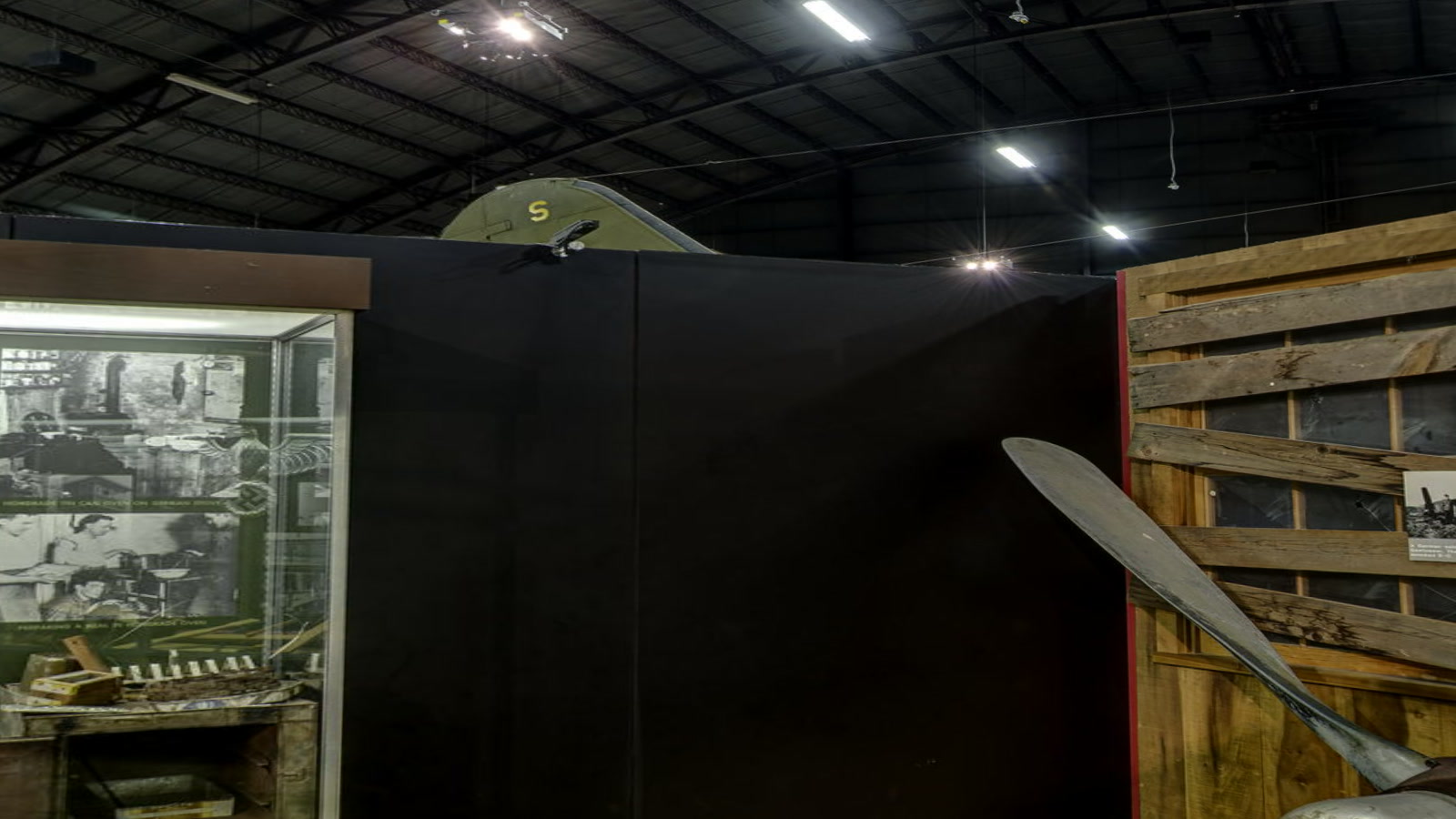
The story behind the display
As Allied armies advanced, German authorities forced many prisoners to march away from camps during the winter of 1944–45. Personal artifacts and testimony preserve both the routines prisoners created and the violence or deprivation that official camp records can conceal.
History & service
Germany was a signatory of the Geneva Convention of 1929, which prescribed humane treatment for prisoners of war (POWs). However, there were many failures to abide by the convention's provisions and marked differences in treatment of POWs and in living conditions at German World War II camps. Officers in at least one camp controlled by German air force personnel at times found camaraderie existed among flyers of the warring nations.
They received reasonably humane treatment, including distribution of recreational equipment, some medical and dental care, and delivery of mail and Red Cross food parcels. But conditions in some other officer camps fell below this level. Enlisted AAF POWs often faced the harshest conditions, such as shortages of food and water, no medical care, no mail or clothing distribution, and brutal treatment by guards.
Details that tell the story
Many aircrew entered Stalag Luft camps · The Geneva Convention shaped but did not guarantee treatment · Prisoners organized mutual support and escape efforts · Forced winter marches added danger late in the war
Aircraft change the battlefield
In the First World War, aircraft became valuable because they could see beyond the front line. Reconnaissance and artillery observation affected decisions on the ground. Once that information mattered, opposing forces had reason to attack the aircraft gathering it. Fighters, defensive armament, and increasingly specialized missions developed around this contest over observation and freedom of movement.
The aircraft were fragile by later standards, but their crews worked inside a rapidly expanding military system. Training, maintenance, replacement aircraft, photography, communications, and weather reporting supported each sortie. Improvements in engines and armament changed tactics, while the pressures of combat exposed weaknesses that might have taken much longer to discover in peacetime.
Personal stories should be read alongside those systems. A uniform or a named aircraft connects the war to an individual, but the individual depended on many others and operated under constraints that skill could not eliminate. Aircraft from opposing sides show how designers answered similar problems in different ways. The later military collections in Dayton and at Udvar-Hazy reveal what endured: the need to gather information, protect friendly forces, move people and supplies, and coordinate action across distance. The scale changed enormously; the relationship between an aircraft's design and the job it had to perform remained fundamental.