Air Force Museum
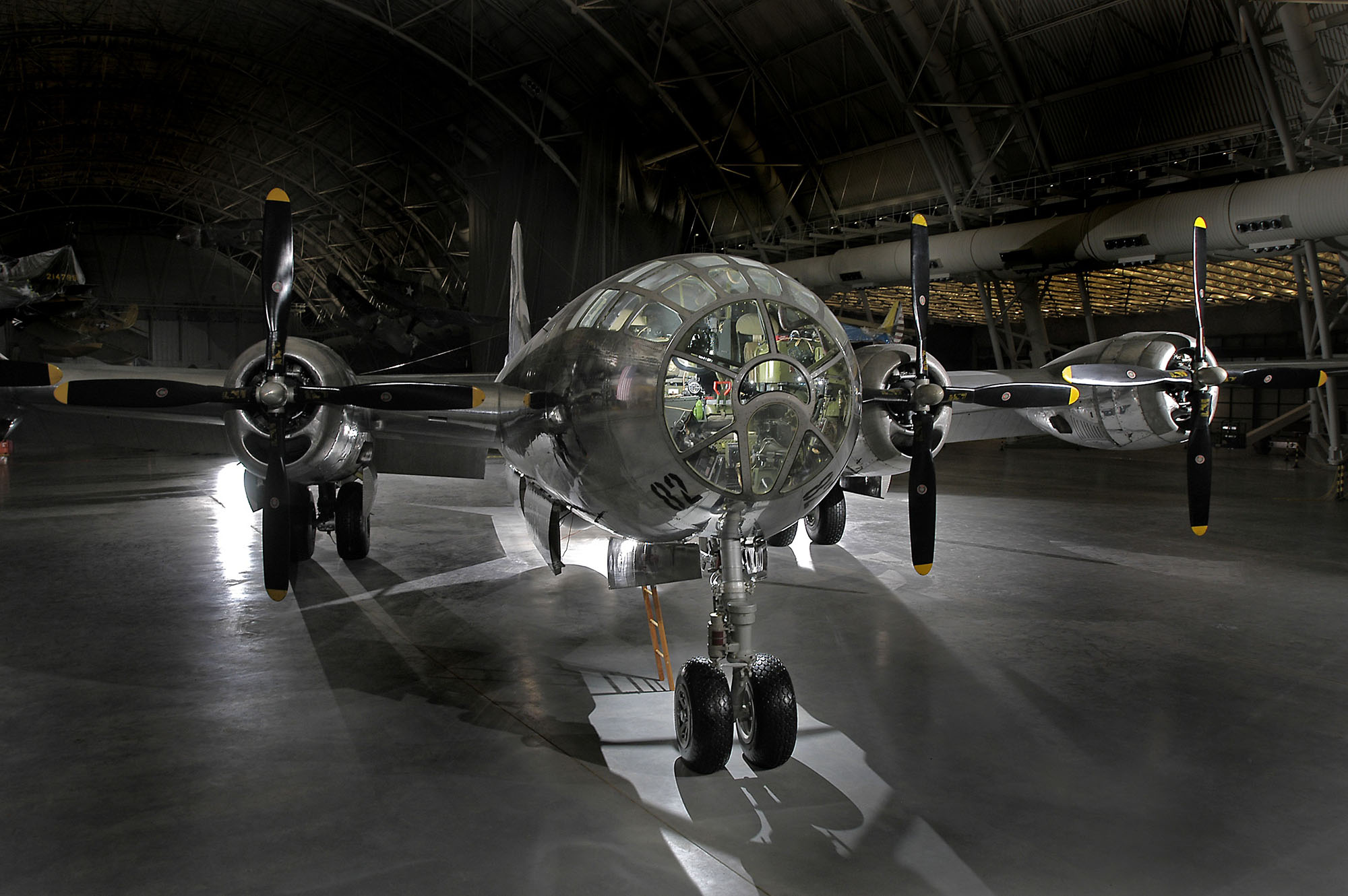
'Bockscar': The Aircraft that Ended WWII
Bockscar's mission belongs to the final days of World War II, but no single aircraft or event explains Japan's surrender or the war's end. The Nagasaki mission took place three days after Hiroshima and one day after the Soviet Union entered the war against Japan. Japan announced its acceptance of surrender terms on August 15, followed by the formal ceremony aboard USS Missouri on September 2.
In depth
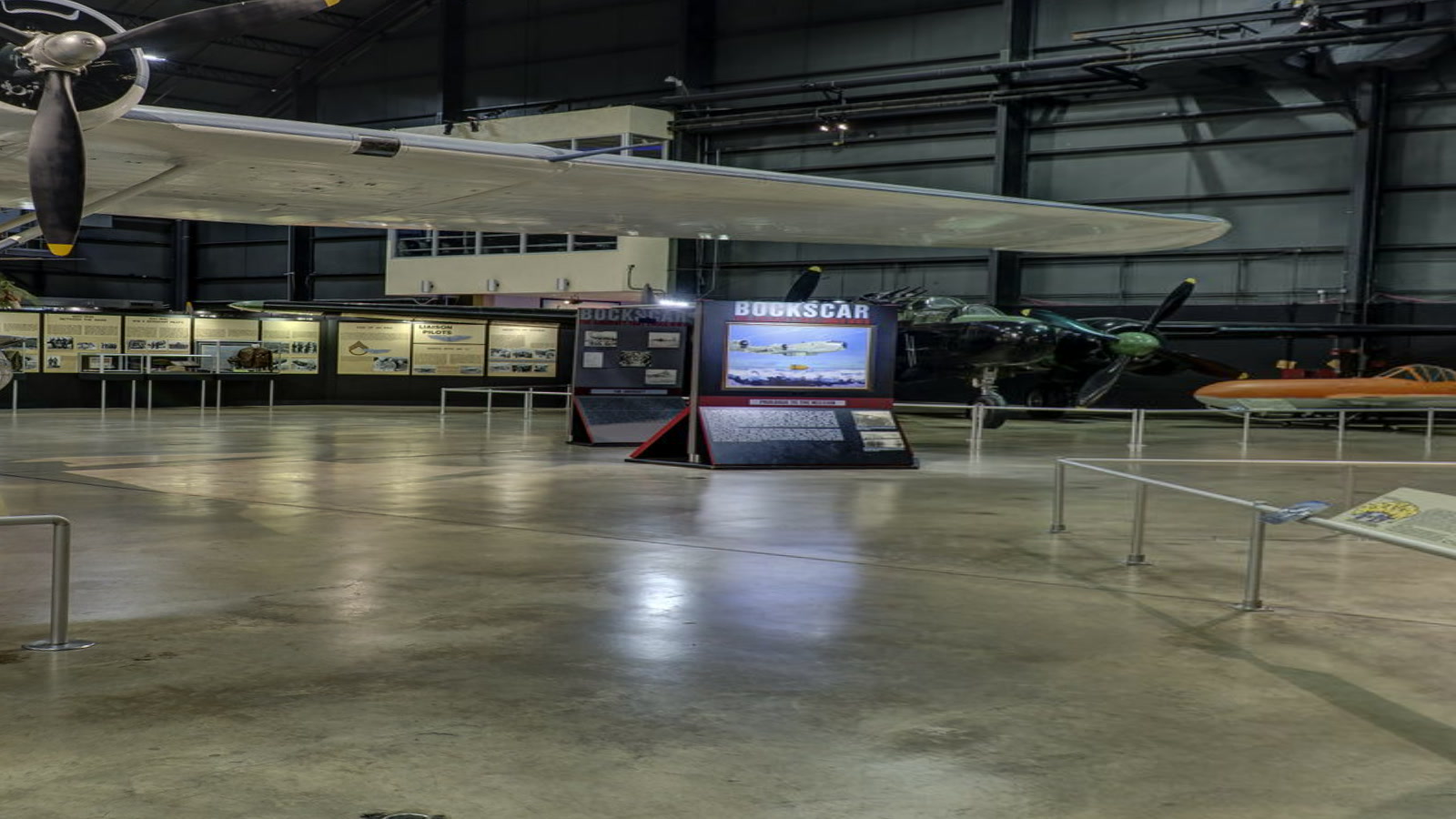
The story behind the display
Calling one aircraft 'the aircraft that ended the war' captures its symbolic place in memory but compresses a more complicated history. Atomic bombing, Soviet intervention, blockade, conventional bombing, political conflict within Japan, and the prospect of invasion all formed part of the final crisis.
History & service
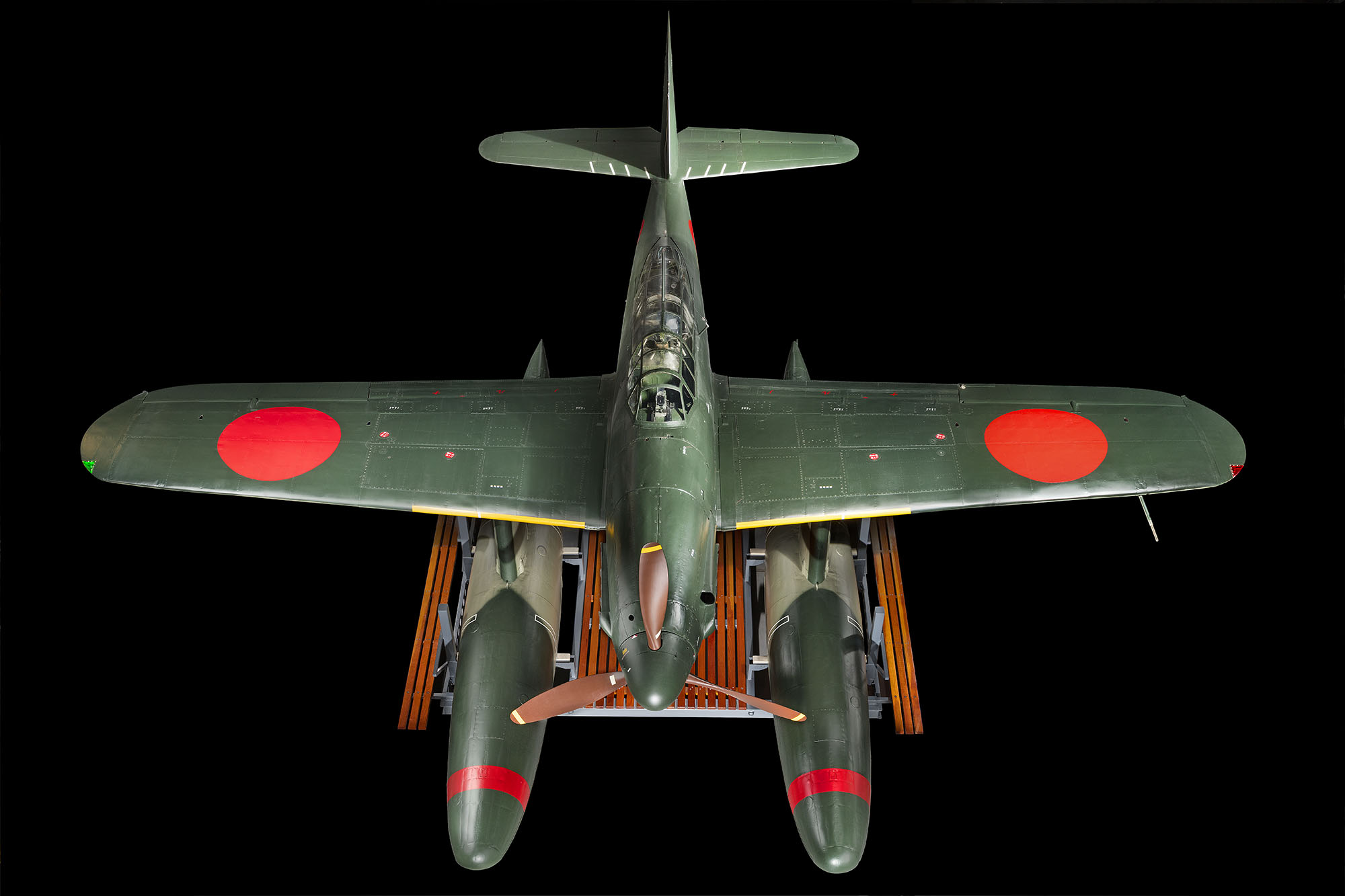
To repel invaders, Japan had a veteran army of some two million ready, an army that had already shown its ferocity and fanaticism in combat. Some 8,000 military aircraft were available that could be used for devastating Kamikaze (suicide) attacks on U.S. ships. The draft had been extended to include men from age 15 to 60 and women from 17 to 45, adding millions of civilians ready to defend their homeland to the death, with sharpened sticks if necessary.
Experience throughout the Pacific war had shown that Japanese combat casualties had run from five to 20 times those suffered by the Allies, particularly in the battles of the Philippines and Okinawa. Whatever the predicted Allied losses, the potential Japanese military and civilian casualties would have been staggering. Whether Japan would have surrendered prior to invasion without the use of the atomic bombs is a question that can never be answered.
Using the history and projections available to him, President Harry Truman made the grave decision to use the atomic bomb in an effort to end the war quickly, thus avoiding a costly invasion.
Details that tell the story
Nagasaki was attacked on August 9, 1945 · Japan announced acceptance of surrender terms on August 15 · Formal surrender occurred on September 2 · The causes of surrender remain a major historical debate
Aircraft change the battlefield
In the First World War, aircraft became valuable because they could see beyond the front line. Reconnaissance and artillery observation affected decisions on the ground. Once that information mattered, opposing forces had reason to attack the aircraft gathering it. Fighters, defensive armament, and increasingly specialized missions developed around this contest over observation and freedom of movement.
The aircraft were fragile by later standards, but their crews worked inside a rapidly expanding military system. Training, maintenance, replacement aircraft, photography, communications, and weather reporting supported each sortie. Improvements in engines and armament changed tactics, while the pressures of combat exposed weaknesses that might have taken much longer to discover in peacetime.
Personal stories should be read alongside those systems. A uniform or a named aircraft connects the war to an individual, but the individual depended on many others and operated under constraints that skill could not eliminate. Aircraft from opposing sides show how designers answered similar problems in different ways. The later military collections in Dayton and at Udvar-Hazy reveal what endured: the need to gather information, protect friendly forces, move people and supplies, and coordinate action across distance. The scale changed enormously; the relationship between an aircraft's design and the job it had to perform remained fundamental.