Begin with the place and its evidence.
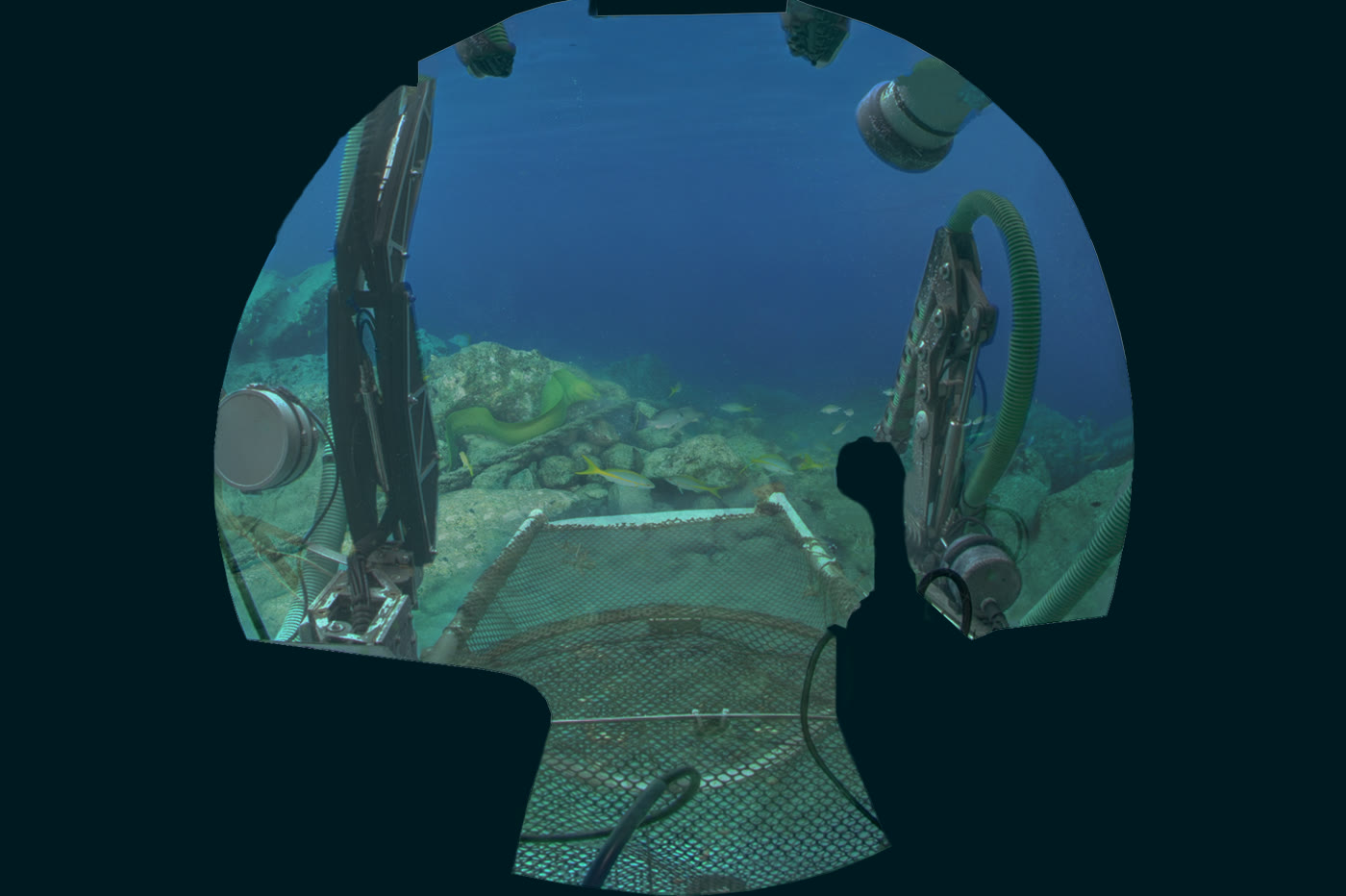
A four-stage science mission that invites students to inspect a research submersible, launch, dive, investigate deep reefs, and recover safely.
Grades 5–8 · Grades 5–8 immersive science mission
A four-stage science mission that invites students to inspect a research submersible, launch, dive, investigate deep reefs, and recover safely.
Essential question
How do scientists observe a difficult-to-reach ecosystem, explain changes within it, and evaluate possible responses?
A four-stage science mission that invites students to inspect a research submersible, launch, dive, investigate deep reefs, and recover safely.
A mission-based sequence combines situated observation, systems thinking, retrieval practice, and an evidence-backed final decision. Progress is visible without turning scientific work into a reward chase.
Complete the route with a sourced explanation, model, reflection, or creative response appropriate to grades 5–8.
Learning objectives
Curriculum connections