Services for education, museums, tourism, and public history
Build a digital place people want to explore.
Instructional strategy, panoramic production, multimodal AI, experience design, engineering, accessibility, and analytics—one systems practice for places and subjects that deserve to reach more people.
Learn more about the approach ↗A specialist partner
One practice, from source material to a measurable experience.
The strongest immersive projects are simultaneously a learning product, a visual story, an accessibility experience, a technical system, and a public asset. Loren connects those layers so the result is coherent from first source review to long-term hosting.
01Immersive learning systems
Source-grounded XR experiences that turn places, collections, field science, and primary sources into active learning.
- Instructional strategy and learner journeys
- Virtual field trips and discovery missions
- AI-assisted narration and accessible modes
- Teacher resources, transcripts, and analytics
02Museums and digital exhibitions
Custom, self-hosted virtual museums built around the collection, building, brand, and audience—not a generic walkthrough.
- High-resolution panoramic capture
- Experience and information architecture
- Maps, objects, archives, audio, and video
- Custom responsive interface engineering
03Immersive tourism and wayfinding
Destination systems that connect 360° discovery to maps, local stories, businesses, itineraries, and an in-person visit.
- Statewide and regional experience planning
- Custom maps, routes, and destination icons
- Street View and business-profile connections
- Location-aware audio and social media outputs
04Accessible experience design
Inclusive interaction planned at the start, with alternatives that preserve the story and visual character of the main experience.
- Accessible text-and-image companion modes
- Keyboard, screen-reader, and focus design
- Reduced-motion and interface controls
- Transcripts, image descriptions, and structure
05360° and dimensional production
Institutional-grade capture for complex interiors, exhibitions, landscapes, objects, and hard-to-access environments.
- Capture planning and on-site production
- Panoramic stitching and retouching
- Photorealistic 3D and object documentation
- Web, social, Street View, and archival outputs
06Strategy, modernization, and growth
Specialist help for teams planning a new system, rescuing valuable legacy work, or learning what audiences use.
- Technical, content, and experience audits
- Legacy restoration and interface redesign
- GA4, Tag Manager, and behavior analytics
- Search, social, and publishing systems
Where the work can help
Your team may need a full build—or one missing piece.
- 01
“We have a major exhibition and need a digital experience with the same ambition.”
- 02
“We have an important subject but need an immersive K–12 pilot that can be tested and measured.”
- 03
“Our state or destination needs 360° discovery connected to maps, local stories, and an actual visit.”
- 04
“Our existing virtual tour has value, but it needs a modern, accessible interface and a durable home.”
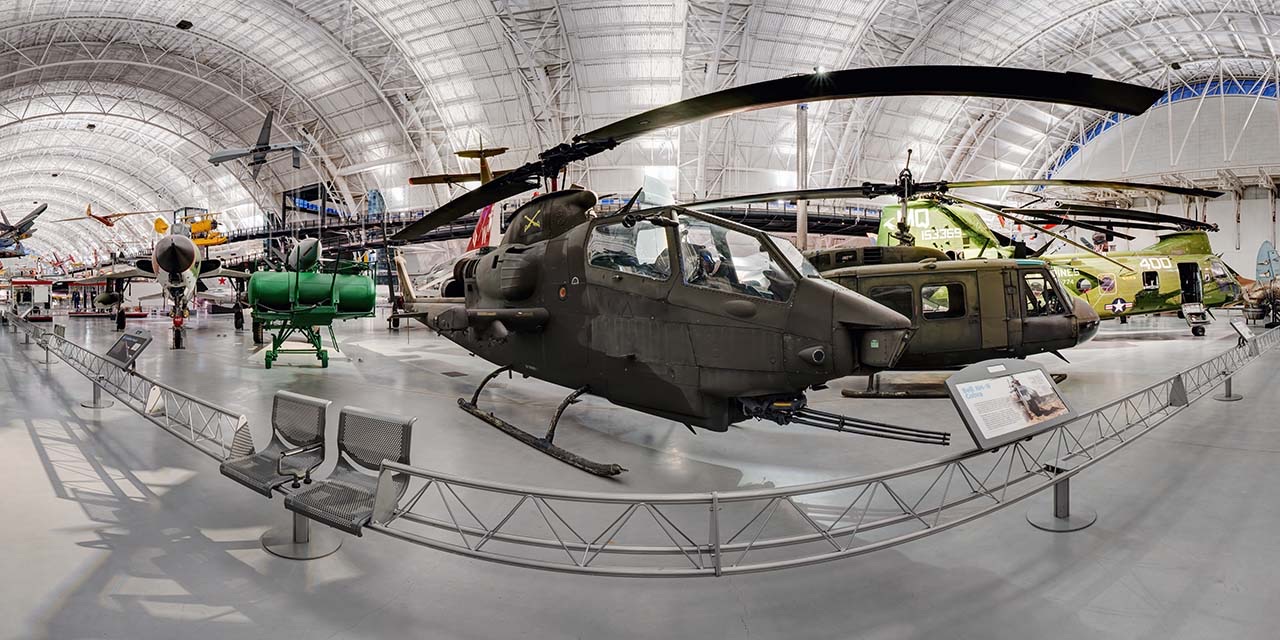
Selected proof
See the work in the places it was made for.
Explore museum, K–12 science, public-history, tourism, and photorealistic 3D work, then open the live experiences to see how the systems behave.
View selected projects →Common questions
Starting a conversation
When should a team bring Loren into a project?
Ideally during curriculum, exhibition, tourism, or digital planning, before capture and interface decisions are locked. Loren can also audit, repair, or redesign an existing immersive experience.
Can you work with our exhibit designer, agency, or internal team?
Yes. Engagements can be end-to-end or focused on a specific layer such as panoramic production, experience architecture, accessibility, interface engineering, or technical consulting.
Is the experience hosted by the institution?
It can be. Self-hosted delivery gives institutions long-term control over branding, analytics, content, and maintenance. Hosting requirements are planned around the project.
Can an existing tour be modernized without starting over?
Often, yes. The first step is an audit of the imagery, content, code, analytics, accessibility, and hosting so the most valuable existing work can be preserved.
How is AI used in an educational or museum project?
AI can accelerate narration, transcripts, translations, content variants, teacher materials, and discovery tools. The work begins with reliable sources, is transparent about the technology, and receives human review appropriate to the subject.