01 · History
The events that changed the system
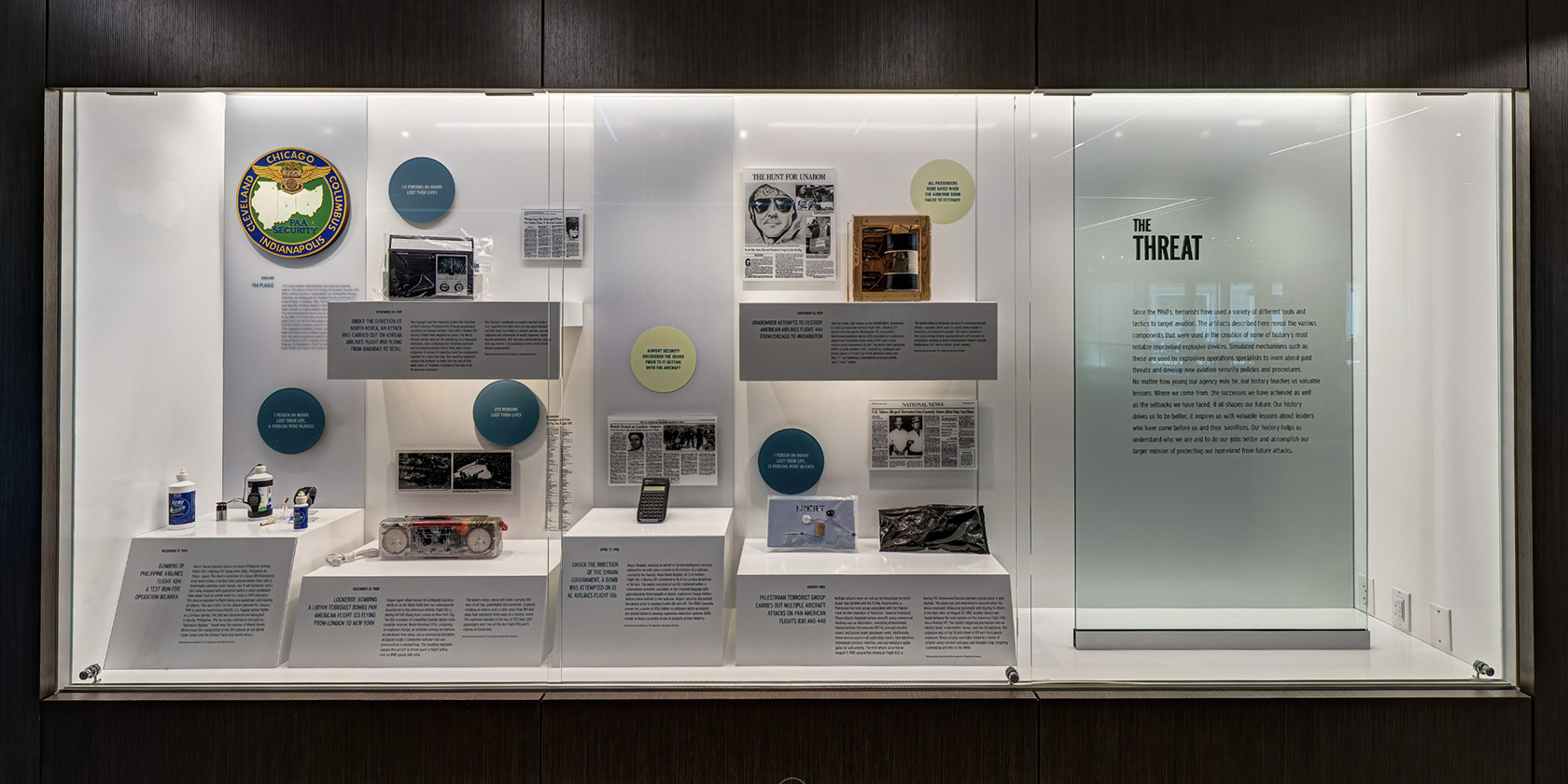
Follow the period before TSA, the agency’s rapid formation, and later changes prompted by attempted attacks and new risks.
Open the timeline → Mission HallPublic history experience
Remembering the past · Informing the future
A public history of the people, decisions, systems, and technologies behind the effort to protect movement across the United States.
This is a historical interpretation built from the archived Mission Hall experience—not a source for current screening rules. Visit TSA.gov for current travel guidance.
A mission carried by people
Mission Hall records a young federal agency learning in public: formed after September 11, built at extraordinary speed, and repeatedly reshaped as risks, technology, travel, and public expectations changed.
Choose a path
Move through the original space or enter its material directly. Every path returns to the same question: how does a large transportation system learn, adapt, and keep moving?
Follow the period before TSA, the agency’s rapid formation, and later changes prompted by attempted attacks and new risks.
Open the timeline →
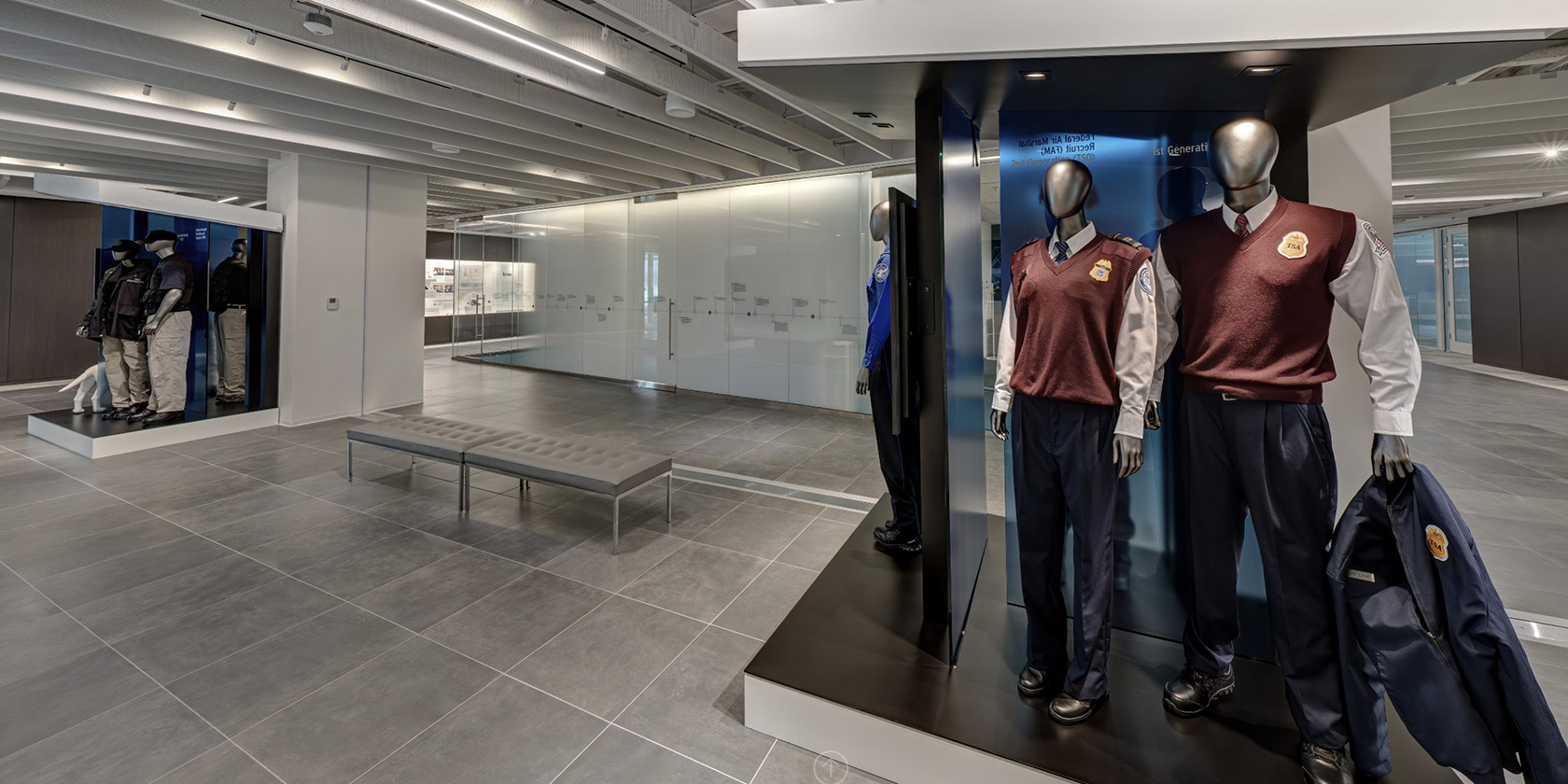
Meet the visible and behind-the-scenes workforce represented by eight uniforms, twenty badges, and a collection of first-person films.
Meet the workforce →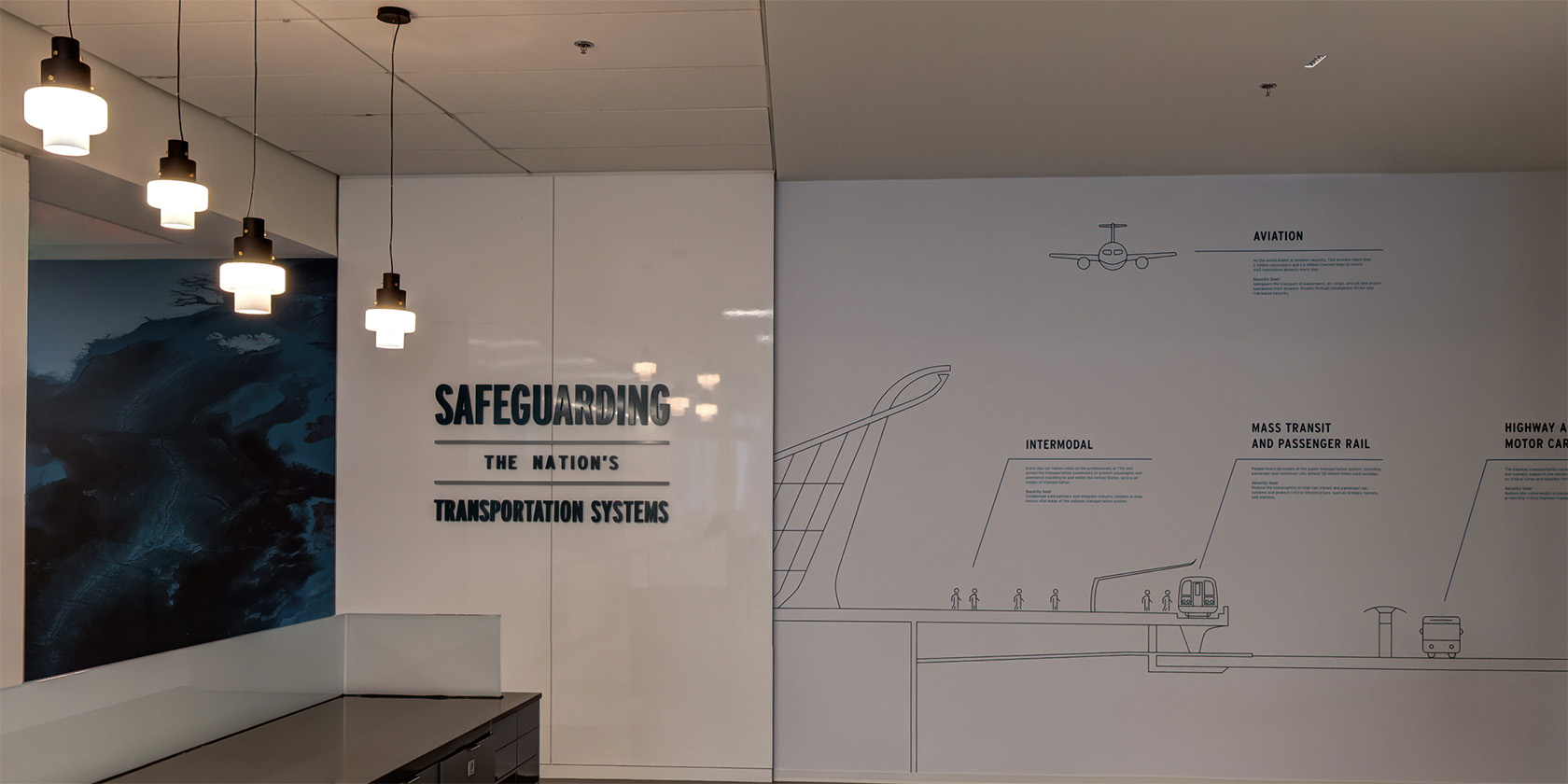
Aviation is one part of a system that also includes passenger rail, highways, freight, pipelines, and maritime transportation.
Explore the network →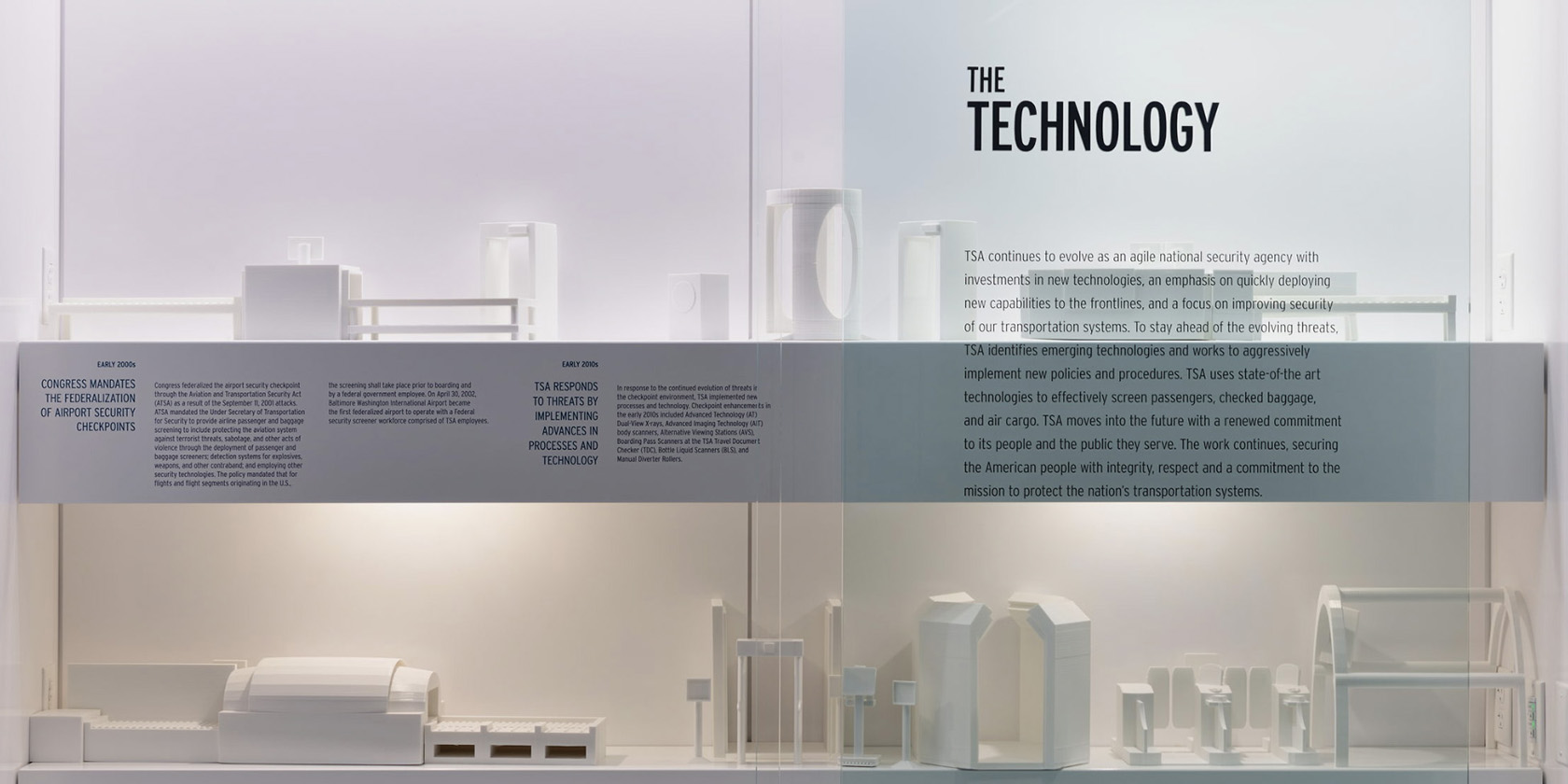
Twenty-four short films cover the first workforce, modes of transportation, public service, stakeholder partnerships, and evolving tools.
Browse the films →Three turning points
Familiar procedures were not created all at once. They accumulated through law, investigation, field experience, technological development, and adaptation to specific events.
The attacks killed nearly 3,000 people and exposed profound weaknesses in aviation security. The public record begins with the people lost and the national obligation to learn from what happened.
The act established the Transportation Security Administration and assigned the new agency responsibility for security across the nation’s transportation systems.
Within its first year, TSA assembled and trained a national screening workforce and assumed passenger screening responsibilities at hundreds of airports.
Objects carry memory
The archive is unusually tactile. Uniform stitching marks organizational change. Badges reveal specialized responsibility. Equipment records new capabilities. Abandoned objects become a public artwork about millions of small decisions at checkpoints.
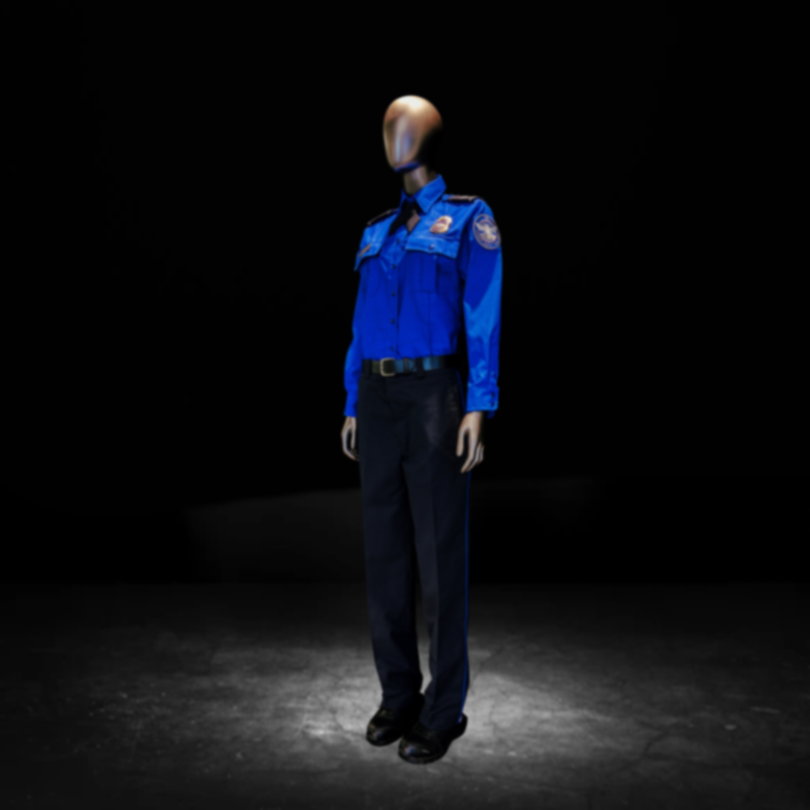
The third-generation uniform changed the visual identity of the screening workforce and introduced individually numbered metal badges.
Inspect the uniform →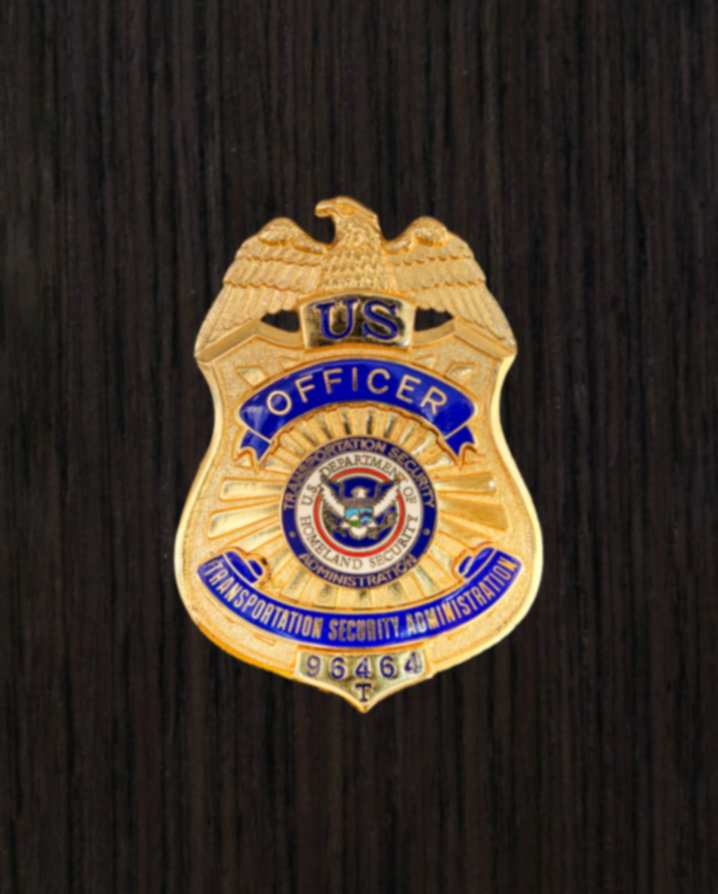
From airport screening and inspection to air marshals, canines, investigation, leadership, and explosives expertise.
Explore the badges →
Artist Jaclynn Bener arranged voluntarily abandoned objects into a mosaic about individuality, teams, and a shared security mission.
View the installation →Grounded in the record
This interpretation distinguishes archived exhibit material from current public information. Primary sources are linked wherever the record continues beyond the hall.
The accessible, 36-page record of the original permanent exhibit.
Open the local PDF →Official history, commemorations, and current institutional context.
Continue at TSA.gov ↗Rules change. Always use TSA’s current public site when preparing to travel.
Go to current guidance ↗