Six connected modes
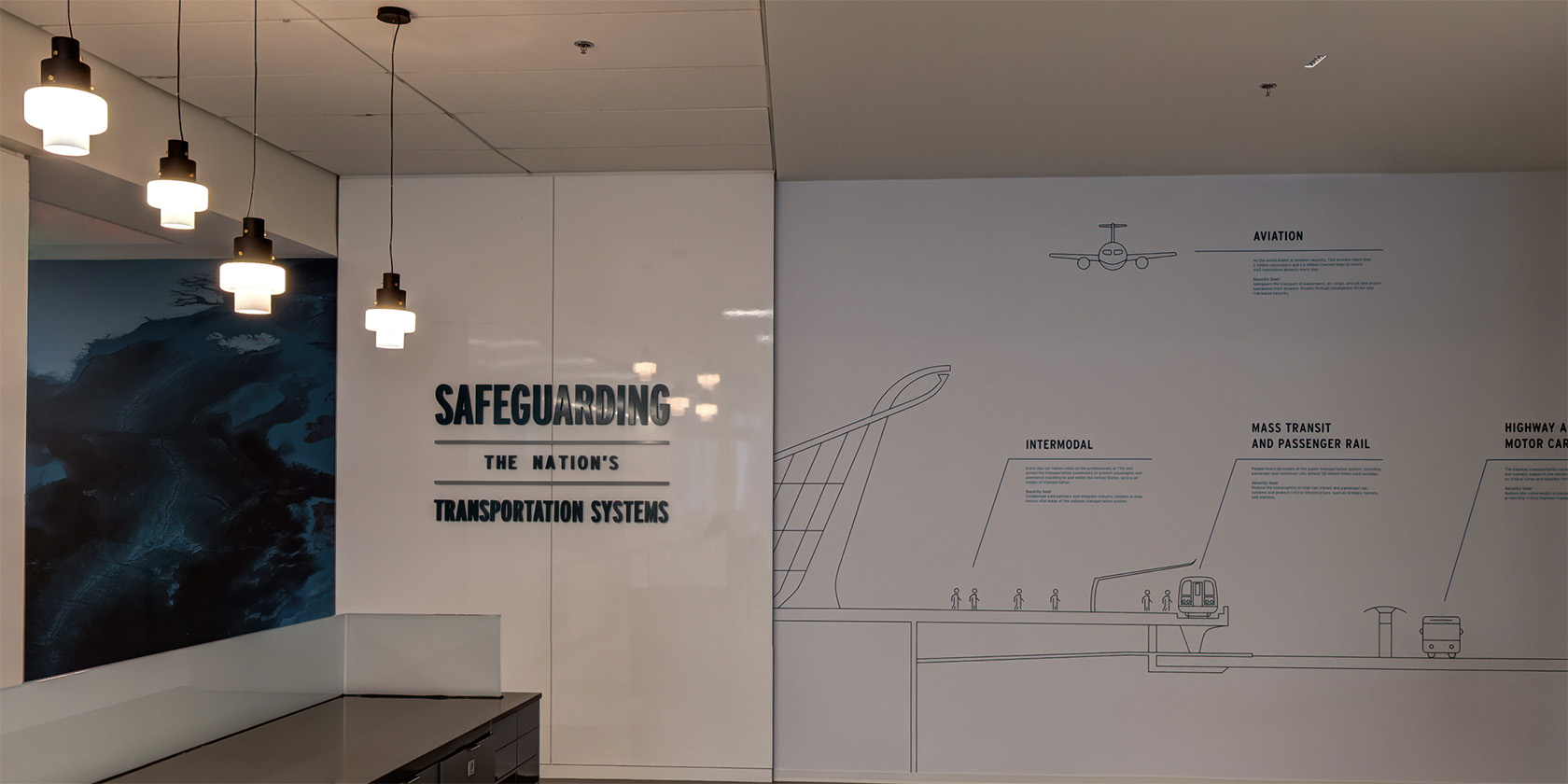
The mission extends beyond aviation.
TSA works with operators, local authorities, law enforcement, other federal agencies, workers, and the public. Different modes require different balances of regulation, assessment, training, technology, and partnership.
01Aviation
Commercial airports combine passenger and baggage screening, credentialing, secure areas, cargo controls, intelligence, airport law enforcement, and layers of technology. The challenge is to protect movement while serving millions of travelers.
02Mass transit and passenger rail
Open stations, dense ridership, frequent stops, and local operations make rail security different from airport screening. Preparedness relies heavily on visible presence, training, information sharing, inspection, and coordinated response.
03Highway and motor carrier
Intercity buses, commercial motor vehicles, bridges, tunnels, and highway infrastructure move people and commerce across a system too broad for a single checkpoint model.
04Freight rail
Railroads carry essential goods and hazardous materials across long distances and through cities. Security planning considers routes, facilities, worker awareness, information, custody, and emergency coordination.
05Pipeline
Pipelines move energy through distributed physical and digital infrastructure. Resilience requires attention to operations, cybersecurity, control systems, physical facilities, and coordination among owners and public agencies.
06Maritime
Ports connect ships, terminals, trucks, rail, workers, cargo, and international trade. Multiple authorities and industries share responsibility across the water’s edge.