 01 / 08
First-generation TSO
White shirts, shoulder epaulets, and a simple embroidered TSA identifier defined the earliest national screening workforce.
Inspect in detail → Mission HallPublic history experience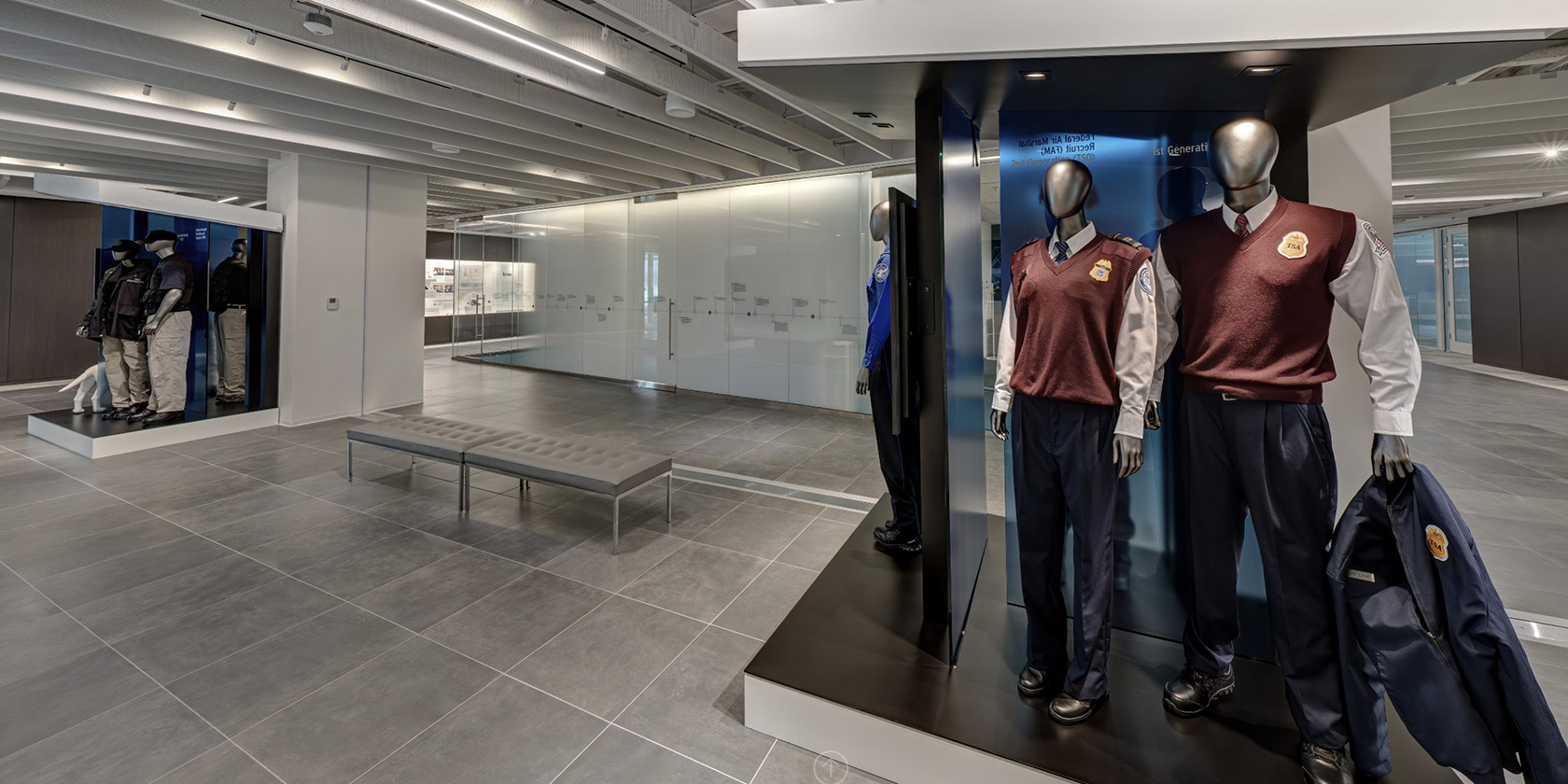
The mission has thousands of faces
Checkpoints are the public face of TSA. Behind them is a much wider workforce: inspectors, canine teams, explosives specialists, air marshals, investigators, managers, trainers, technology teams, and partners across every mode of transportation.
Roles and uniform descriptions reflect the archived exhibit. Use the current TSA careers site for present-day opportunities and requirements.
Uniform archive · 8 records
Uniforms communicate role, authority, readiness, and organizational identity. Viewed in sequence, they also show a young agency learning how it wished to present itself to the public.
01 / 08White shirts, shoulder epaulets, and a simple embroidered TSA identifier defined the earliest national screening workforce.
Inspect in detail →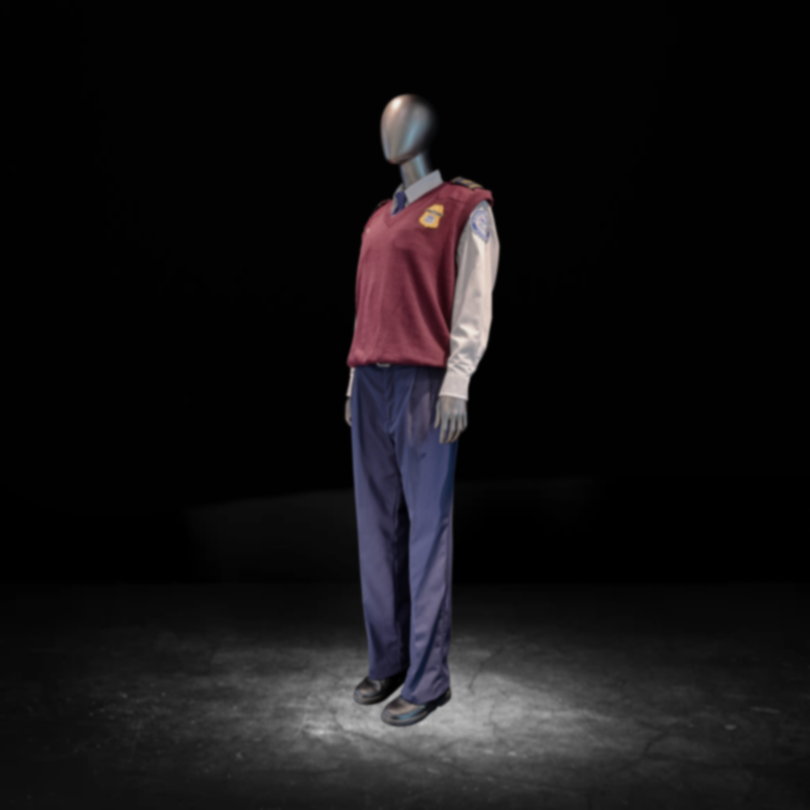 02 / 08
New fabric, separate patterns, functional epaulets, and a more detailed cloth badge refined durability and appearance.
Inspect in detail →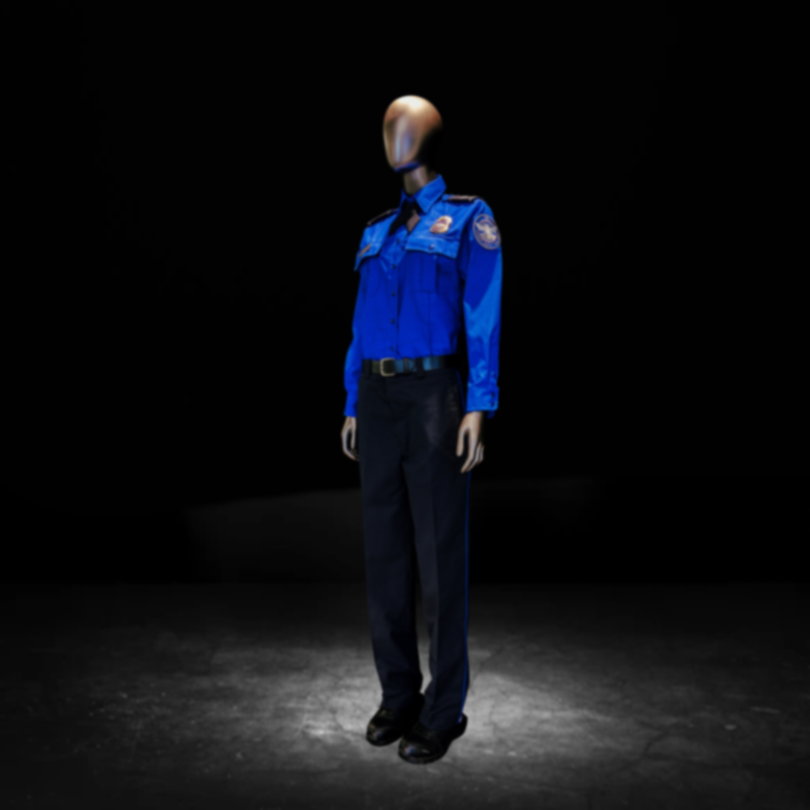 03 / 08
The royal-blue shirt and uniquely numbered metal badge created the public identity most travelers recognize today.
Inspect in detail →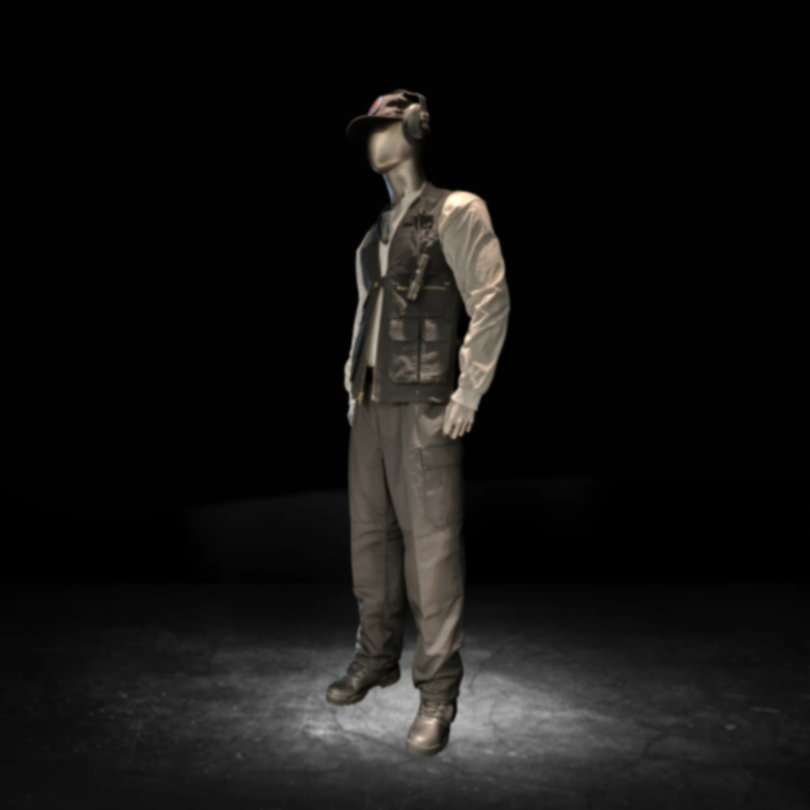 04 / 08
A training uniform designed for demanding instruction and responsible equipment carriage.
Inspect in detail →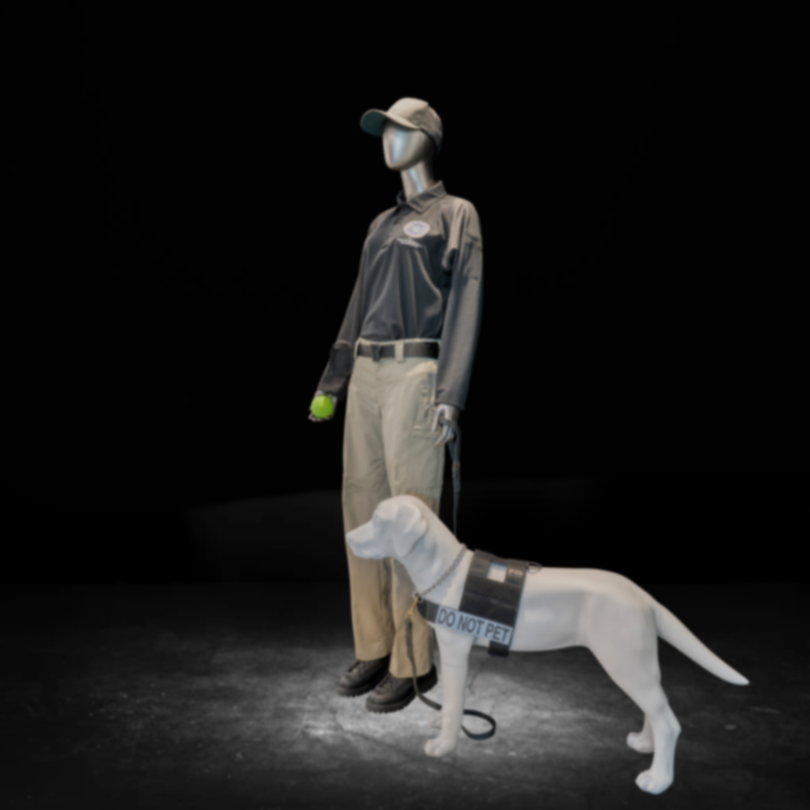 05 / 08
Tactical clothing supports handlers and working dogs as they conduct passenger screening and threat-mitigation work.
Inspect in detail →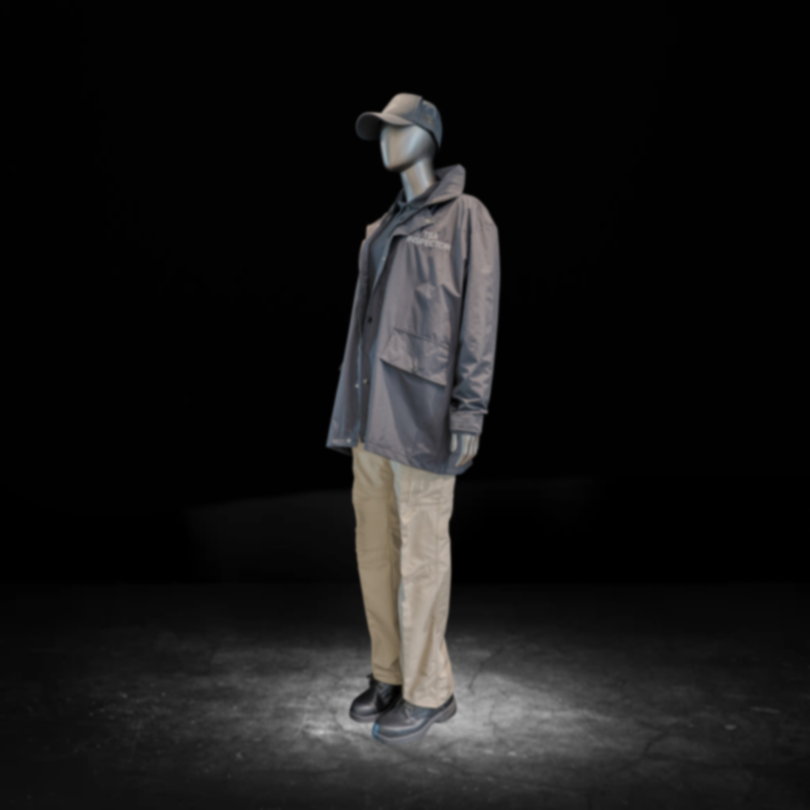 06 / 08
Inspectors work across aviation, cargo, and surface transportation to assess compliance and strengthen security practice.
Inspect in detail →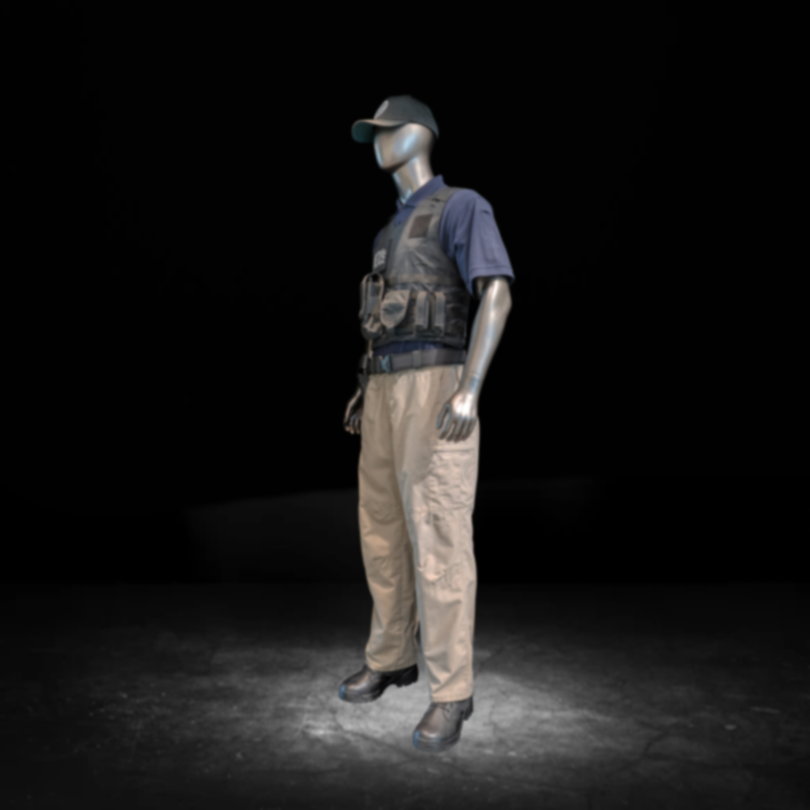 07 / 08
Visible Intermodal Prevention and Response teams bring specialized personnel together for transportation security operations.
Inspect in detail →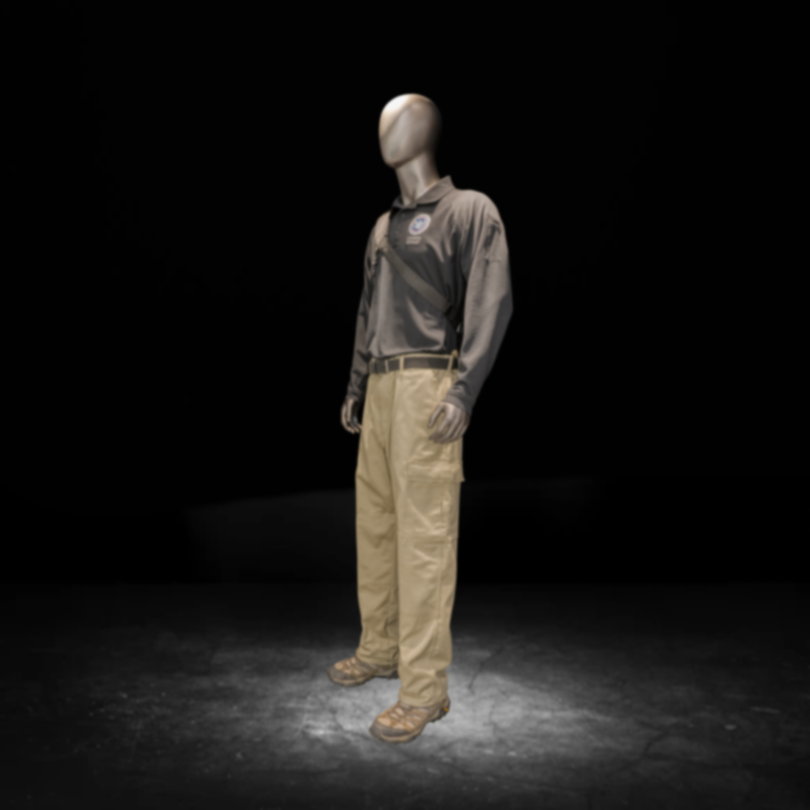 08 / 08
Technical specialists assess explosive threats, support field operations, educate the workforce, and advise local leadership.
Inspect in detail →Twenty badges · one shared mission
Badge designs in the exhibit represent the breadth of the workforce: officers and managers, federal air marshals, inspectors, investigators, canines, explosives specialists, agency leadership, and partners.
Representative roles
The archive reflects the organization as it existed when Mission Hall was produced. Titles and responsibilities can change, but the underlying functions remain instructive.
Use screening procedures and technology to identify prohibited and dangerous items while moving large numbers of travelers through airports.
Work within the aviation system to deter and respond to criminal violence, aircraft piracy, and other threats to passenger flights.
Conduct inspections, investigations, and compliance work across regulated transportation entities and modes.
Pair trained dogs with handlers to detect explosive odors and support screening and threat-assessment operations.
Bring technical knowledge to threat assessment, field education, operational support, and vulnerability review.
Coordinate people, processes, technology, partners, and daily security operations within the airport environment.
Public service
The uplifting center of this history is not any single leader or technology. It is the sustained, often unseen work of people who accept responsibility for travelers they may never meet again.