Begin with the place and its evidence.
Twenty evidence-based learning encounters turn a recovered after-hours panorama archive into a free, audio-ready art-history field study.
Grades 6–12 · K–12 virtual field study + recovered panorama archive
Twenty evidence-based learning encounters turn a recovered after-hours panorama archive into a free, audio-ready art-history field study.
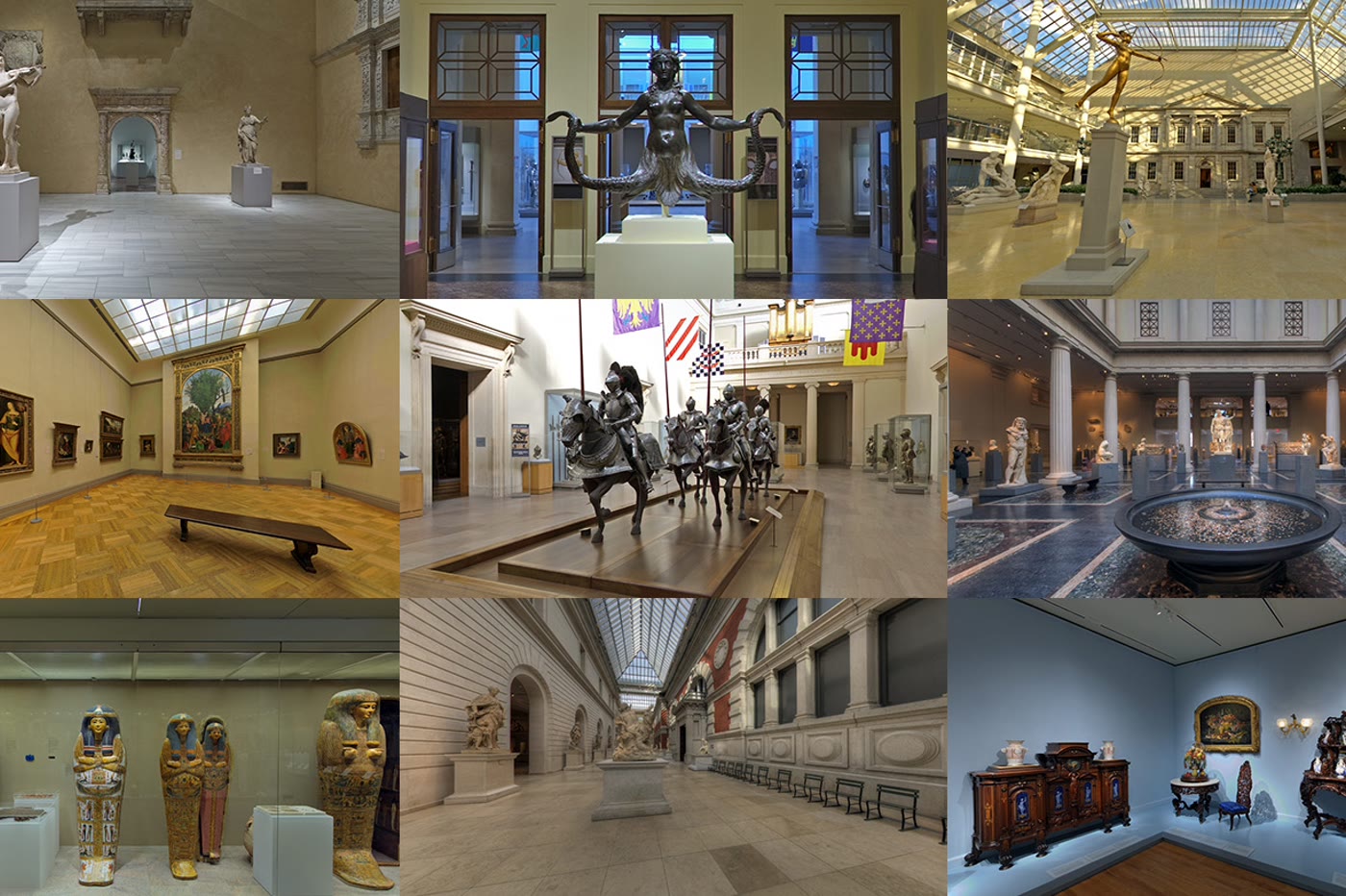
Essential question
How do artists and cultures use material, form, scale, and display to communicate meaning across time?
Twenty evidence-based learning encounters turn a recovered after-hours panorama archive into a free, audio-ready art-history field study.
Each room follows a repeatable sequence: notice, describe, question, contextualize, compare, and respond. Short encounters reduce cognitive overload while preserving learner choice and cumulative understanding.
Complete the route with a sourced explanation, model, reflection, or creative response appropriate to grades 6–12.
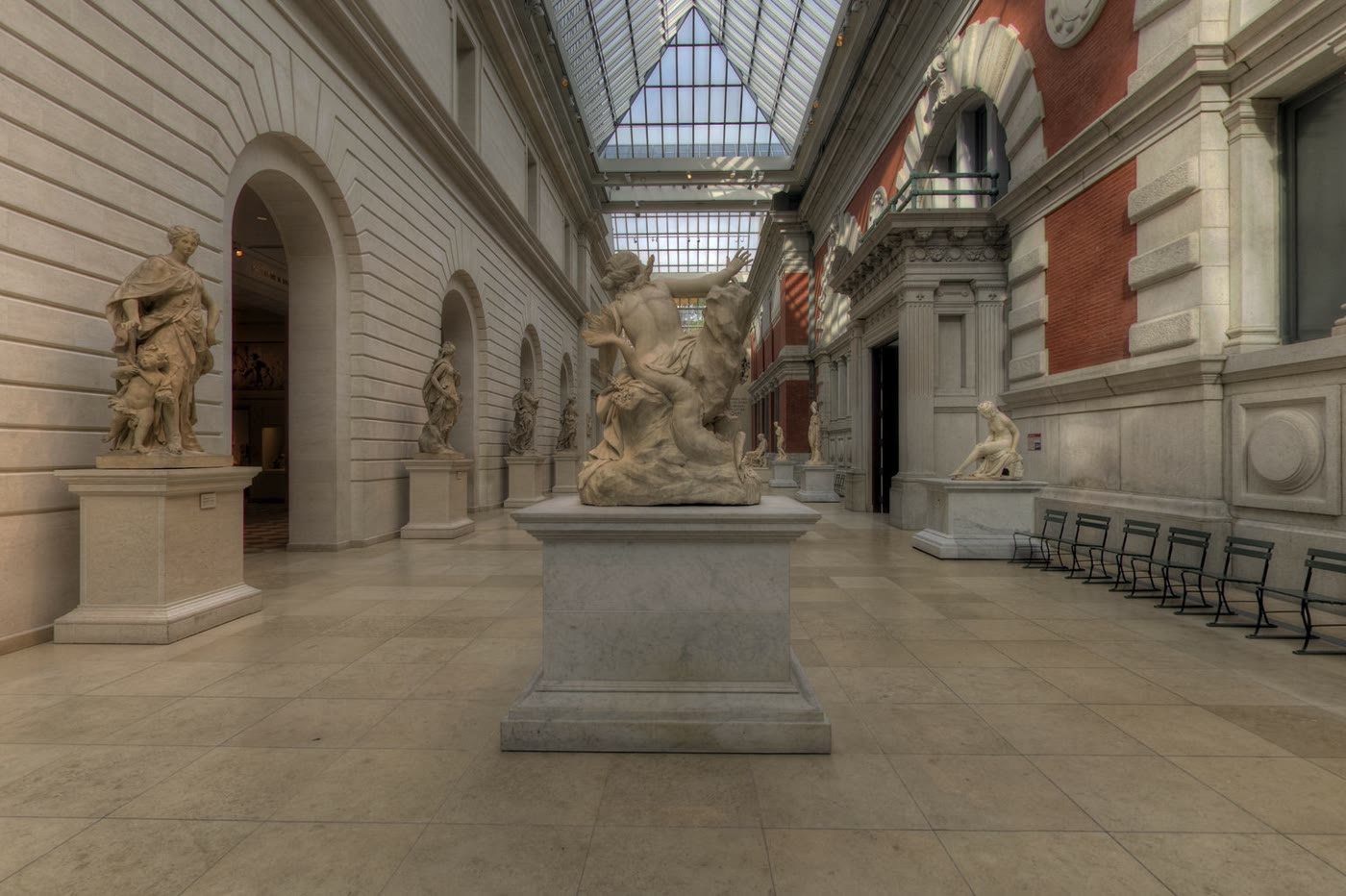
Look closely. Move at your own pace. Follow the object, question, place, or human story that asks for another step.
Learning objectives
Curriculum connections